
Vandaag of morgen in huis

Kwaliteit gegarandeerd

Welkomstaanbiedingen ontgrendelen: GRATIS bezorging | Tot 80% korting | Gratis 30 dagen JoyPlus-proefperiode
Download de app
Buckwheat noodles bring a nutty flavour and firm bite to Asian dishes. However, the name alone doesn't tell you everything. Japanese soba noodles, Korean buckwheat noodles and Chinese buckwheat noodles can differ significantly in buckwheat content, texture, salt level and cooking method.
If you only look out for terms like "healthy", "light" or "authentic", you could end up with noodles that don't suit the dish you have in mind. Always check the ingredients list, nutritional information table and cooking instructions on the packet.
Buckwheat noodles are often made from a blend of buckwheat flour and wheat flour. The percentage can range from 15% to 40% or more. A product with only a small amount of buckwheat generally has a milder flavour and lighter colour than noodles with a higher proportion.
So compare the quantitative ingredient declaration. With Jin Sha He Buckwheat Noodles, the buckwheat content is at least 30%. YunShanBan states 40% buckwheat flour. Ottogi Buckwheat Noodles contains 30% buckwheat flour alongside 56% wheat flour.
Buckwheat is naturally not wheat, but many buckwheat noodles do contain wheat flour, wheat gluten or modified starch. This means they are not suitable for people who need to avoid gluten.
Look out for terms like wheat, gluten, wheat gluten and the allergen declaration. The buckwheat products mentioned from Jin Sha He, YunShanBan, Ottogi, Wheatsun, NH and BaiXiang all contain wheat or gluten. If you are specifically looking for gluten-free noodles, only choose a product where this is clearly stated, and also check for possible cross-contamination.
Some packets highlight "0 fat" or a low fat content. That may be a verifiable nutritional value, but the final meal could contain oil, sauce, stock or toppings. So look at the full label rather than just one nutritional claim.
YunShanBan, for example, states 0 g fat per 100 g. That makes the product practical for anyone who wants to assemble the ingredients of a meal themselves, but it doesn't automatically tell you anything about the overall nutritional value of a dish.
A higher buckwheat percentage can deliver a more pronounced nutty flavour and darker colour. It can also affect the texture and cooking time. Also check whether the noodles contain wheat, sweet potato starch, tapioca starch or other binding agents.
For a milder option, look at products with around 15% to 20% buckwheat. If you want a distinct buckwheat taste, you might prefer a product with 30% to 40%.
Thin Japanese soba noodles are suitable for warm broth, cold noodles and light sauces. Korean varieties are often firmer and work well in cold noodle dishes or spicy broths. Chinese buckwheat noodles can be used in soup and stir-fries.
Check the cooking time:
A 200 g packet is handy for trying out a product. A 500 g bag is better suited to households that regularly cook Asian dishes. For meal prepping, families or bulk buying, a multi-pack such as Wheatsun 300 g × 2 can be more practical.
Store dry noodles in a cool, dry place, away from moisture and direct sunlight. Seal an opened packet tightly. Also check the best-before date and the cooking instructions on the packet before you buy.
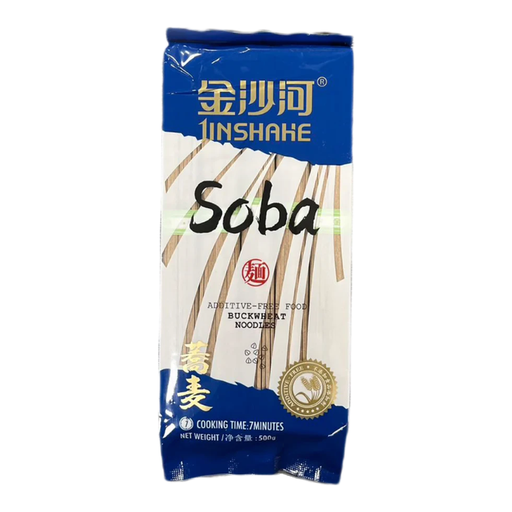
Why this fits the profile: The 500 g packet is suitable for multiple meals, and the noodles can be used in soup, salads and hot or cold preparations.
The label states at least 30% buckwheat flour, so you can compare the proportion rather than relying on the product name alone. It does contain wheat.
500 g per packet, 5.0 g dietary fibre per 100 g according to the label, and suitable for both hot and cold dishes.
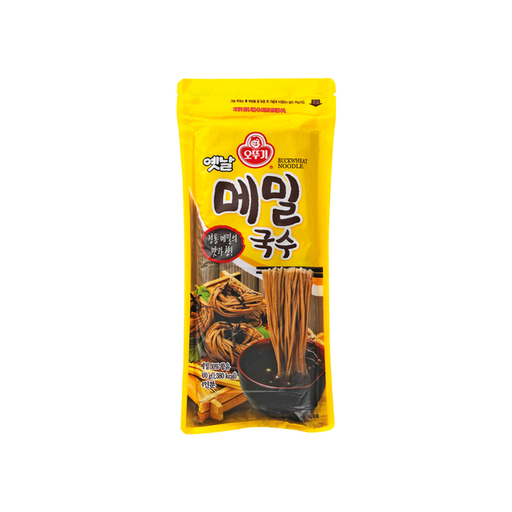
Why this fits the profile: This Korean variety is designed for a firm noodle texture and works well with cold noodles, broth and spicy preparations.
The ingredients list states 30% buckwheat flour and 56% wheat flour. This makes the composition clearer than a general claim about buckwheat.
400 g packet, 30% buckwheat flour and a product description that mentions a smooth, firm bite.
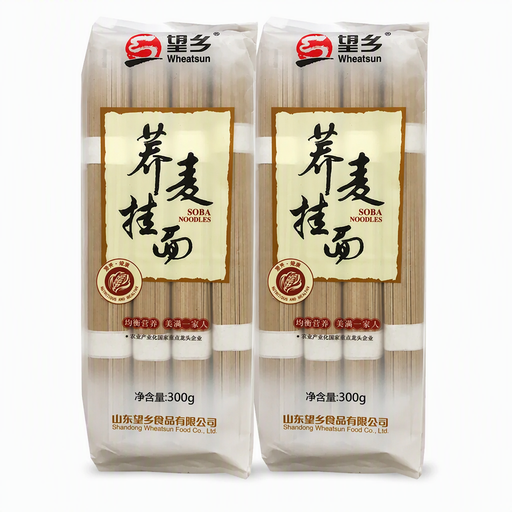
Why this fits the profile: The double pack totalling 600 g is handy for households that cook noodles often, meal prep or want to stock up on dry Asian noodles.
The cooking instructions state 5 to 7 minutes, and the ingredients list mentions wheat and buckwheat flour. This allows you to plan the cooking and check allergens in advance.
600 g total, firm texture according to the product description, and suitable for soup, cold salad and stir-fries.
We've put together a full, up-to-date list of products that fully meet these strict selection criteria and comply with current European safety regulations.
Not automatically. Many products contain wheat flour or wheat gluten. Check the ingredients list and allergen information. The buckwheat noodles mentioned above are not gluten-free according to the stated composition.
Store them unopened and opened in a cool, dry place, away from moisture and direct sunlight. Seal an opened packet tightly or use an airtight storage container. Always follow the information on the label.
Choose a variety with a firm texture and follow the cooking time carefully. Korean buckwheat noodles and Japanese soba noodles are often served cold, but Chinese buckwheat noodles can also work for this if they are rinsed briefly after cooking and drained well.
