
Vandaag of morgen in huis

Kwaliteit gegarandeerd

Welkomstaanbiedingen ontgrendelen: GRATIS bezorging | Tot 80% korting | Gratis 30 dagen JoyPlus-proefperiode
Download de app
Asian noodles come in many shapes and varieties. Buckwheat noodles, konjac noodles, shirataki noodles, rice noodles and wheat noodles differ not only in flavour, but also in texture, cooking time, allergens and nutritional values. So a pack that looks appealing may not be the best choice for your dish.
This buying guide will help you choose the right Chinese, Japanese or Korean noodles, as well as practical noodles for stir-fries and soups.
“Buckwheat noodles” doesn’t automatically mean that buckwheat is the main ingredient. Some varieties contain 15 or 20 per cent buckwheat flour, with the rest made up largely of wheat flour. This gives them a grain-like aroma and a slightly darker colour, but doesn’t make them gluten-free.
So check the quantitative ingredient declaration. According to the product information, Jin Sha He Buckwheat Noodles contains at least 30 per cent buckwheat flour. Other varieties, such as Jingxing Buckwheat Noodles, contain 15 per cent buckwheat flour.
Konjac noodles and shirataki noodles are often chosen for their low energy content. They’re usually packed in water, have a neutral flavour and an elastic texture. That makes them a practical choice for a light meal, but their texture is different from that of wheat or rice noodles.
Also look out for conflicting or incomplete product information. For example, City Aroma Shirataki Broad Noodles is listed as having a low energy content, but also 3.6 grams of fat per 100 grams. Always check the current packaging label rather than relying on a brief marketing description.
An 800-gram or 1-kilogram pack is a good choice for families and frequent use, but less so if you like to vary the noodles you eat. Dried noodles take up little space, while opened packs of noodles in water often need to be refrigerated and used quickly.
Compare the price per 100 grams, how long the product keeps after opening and how much you’ll actually need for each meal.
For anyone with an allergy or dietary requirement, the ingredients list matters more than the product name.
So “gluten-free noodles” aren’t automatically suitable if the same pack also contains sauce, seasoning or toppings. Check the packaging and any warnings about cross-contamination.
Dried noodles are handy to keep in the cupboard. They usually need to be boiled for a few minutes. Examples include wheat noodles, buckwheat noodles and some rice noodles.
Konjac noodles packed in water are often already cooked. According to the product information, City Aroma Shirataki Fine Noodles only need rinsing and heating. Yu Quan Konjac Noodles should first be rinsed thoroughly and then boiled for two to three minutes to reduce their natural smell.
Note the difference between “ready to use” and “ready to eat”. Always follow the cooking instructions on the label.
The shape partly determines how well the noodles absorb sauce or broth.
For a stir-fry, it’s best to choose a variety that stays firm after cooking. For soup, make sure the noodles won’t break apart too quickly or make the broth too cloudy.
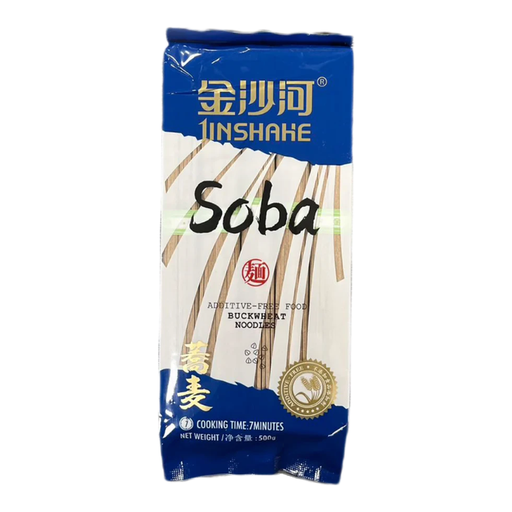
Why it suits this type of shopper: A versatile dried noodle base for anyone who wants to make a range of Asian dishes at home without stocking up on several different types of noodles.
The listed ingredients include at least 30% buckwheat flour. This makes it clearer what you’re buying than it is with products that don’t state the proportion. The product does contain wheat.
500 grams, 5 grams of dietary fibre per 100 grams according to the product information, and suitable for both hot and cold dishes.
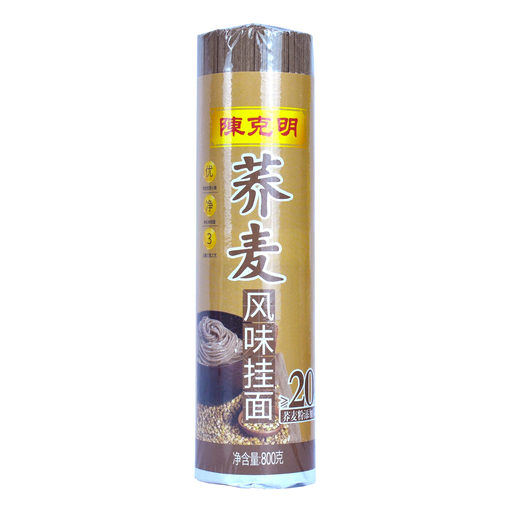
Why it suits this type of shopper: A generous pack for anyone who regularly uses buckwheat noodles in soups, cold noodle dishes or stir-fries.
The product information lists at least 20% buckwheat flour, 3% yam powder and wheat gluten. This makes the ingredients and allergens easy to check.
800 grams, 12 grams of protein and 1.7 grams of fat per 100 grams according to the nutritional information provided. Cook in boiling water.
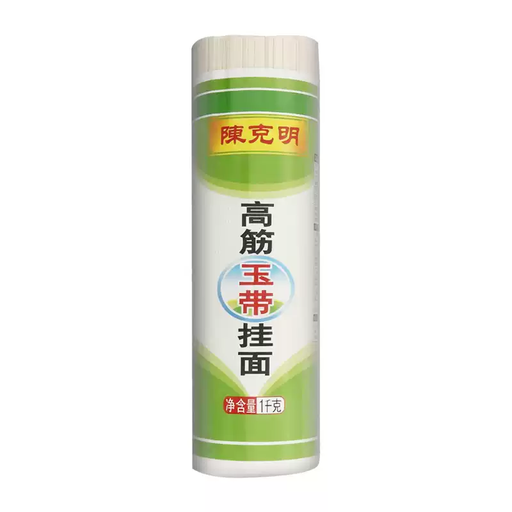
Why it suits this type of shopper: The broad ribbon shape is made for hearty Chinese noodle dishes, broth and stir-fries for several people.
The product page lists only wheat flour and salt as ingredients. This makes it easy to check the base ingredients and identify gluten as an allergen.
1 kilogram, a broad, flat shape and a stated cooking time of 6 to 8 minutes. The salt content is 2.25 grams per 100 grams, so bear this in mind.
We’ve put together a complete, up-to-date list of products that meet these strict selection criteria and the applicable European safety regulations.
Shirataki noodles and konjac udon are often quick to prepare: some varieties only need rinsing and heating. Dried wheat, buckwheat and rice noodles usually need to be boiled for a few minutes. Always check the instructions on the pack.
Not necessarily. Many buckwheat noodles also contain wheat flour, which means they aren’t gluten-free. Check the ingredients list and allergen information. Only a clear gluten-free label on the packaging provides the relevant information.
Follow the manufacturer’s storage instructions. Some varieties packed in water need to be stored in water after opening, kept refrigerated and used within a few days. Store dried noodles in a sealed container in a cool, dry place.
