
Vandaag of morgen in huis

Kwaliteit gegarandeerd

Welkomstaanbiedingen ontgrendelen: GRATIS bezorging | Tot 80% korting | Gratis 30 dagen JoyPlus-proefperiode
Download de app
Buckwheat noodles may look very similar at first glance. However, they can differ considerably in their ingredients, packaging and intended use. For example, a bag with “soba” on the front may contain only a small proportion of buckwheat. Terms such as “0 fat” or “healthy choice” also do not automatically mean that the noodles suit your dietary requirements.
If you want to buy buckwheat noodles for Japanese soba, Korean dishes or a cold noodle salad, the ingredients list, allergen information and cooking time are particularly important. Below, you’ll find the main pitfalls to watch out for, along with a practical selection of products for different uses.
The term “soba noodles” often refers to Japanese buckwheat noodles, but the buckwheat content may be low. For example, according to the product information, Hakubaku Cha Soba contains 1% buckwheat flour, alongside 97% wheat flour and 2% green tea powder. This gives the product a different flavour profile from noodles containing 30% or 40% buckwheat.
Always check the percentage on the label. If no percentage is given, it is difficult to compare the buckwheat content with other products.
Some buckwheat noodles state that they contain 0 grams of fat per 100 grams. This is a verifiable nutritional value, but it says nothing about the dish as a whole. Sauce, oil, stock and toppings can significantly change the nutritional content. So check the full ingredients list and nutrition table rather than focusing on a single prominent claim on the packaging.
Most products in this category consist of a combination of wheat flour and buckwheat flour. This means they contain gluten. Always check the allergen information for Korean buckwheat noodles and Japanese soba. For example, Ottogi Buckwheat Noodles contains wheat flour, buckwheat flour, tapioca starch and gluten. If you need to avoid gluten, do not rely solely on the word “buckwheat”.
The buckwheat percentage affects the colour, aroma and nutty flavour. In the current range, you’ll find:
Also read the full ingredients list. Some noodles contain only wheat flour, buckwheat flour, water and salt. Other varieties may contain starch, gluten, thickeners or a separate soup base.
A pack of 200 to 400 grams is practical if you want to try a flavour or texture first. For a household that eats noodles regularly, a 1 kg pack may be more convenient. However, check the storage instructions: dried noodles should be stored in a cool, dry place, protected from moisture and direct sunlight.
Once opened, it is important to reseal the packaging properly. This helps prevent the noodles from absorbing moisture and sticking together.
Most dried noodles should be cooked in plenty of boiling water. The stated cooking times range from approximately 3 to 7 minutes. Rinse the noodles briefly under cold water after draining if you are using them in a cold noodle salad. For soup, you can serve them immediately, while rinsing them before using them in a stir-fry can help remove excess starch.
Always check the packaging, as thicker or Korean noodles may require different preparation from thin Japanese soba.
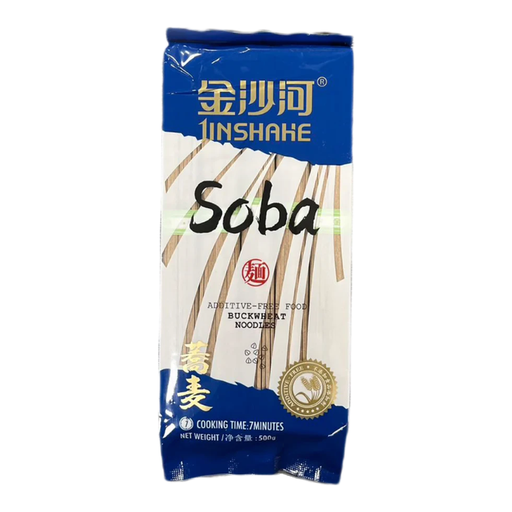
Why it suits this profile: A medium-sized pack for trying buckwheat noodles in soups, stir-fries or cold dishes. The product information states that it contains 30% buckwheat flour.
The buckwheat percentage is clearly stated, so you do not have to rely solely on the name “soba”. The allergen information lists wheat.
500 grams, 30% buckwheat flour, and suitable for hot and cold dishes.
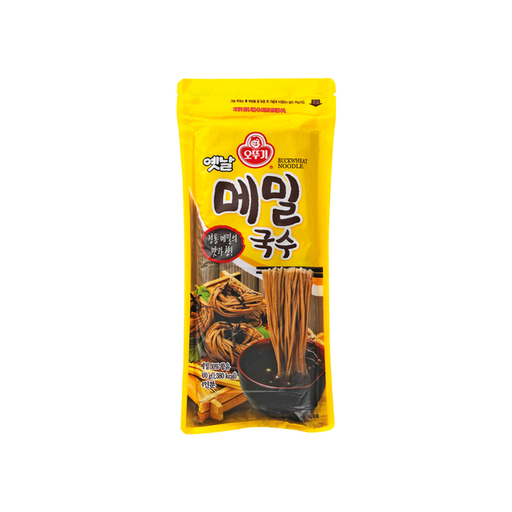
Why it suits this profile: According to the product information, this Korean variety contains 30% buckwheat flour and is designed to provide a firm, chewy noodle texture.
The buckwheat content and the presence of wheat flour and gluten are clearly stated. The listed salt content is 3.96 grams per 100 grams; bear this in mind when preparing your sauce or stock.
30% buckwheat flour, Korean-style noodles and 400 grams per pack.
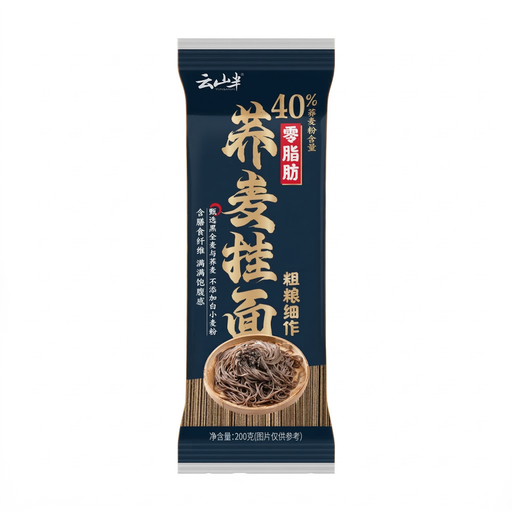
Why it suits this profile: A small pack with the highest stated buckwheat percentage in this selection. Suitable for anyone specifically looking for noodles made with buckwheat flour for cold salads, soup or a quick stir-fry.
The amount of buckwheat flour is explicitly stated as 40%. “0 fat” is a nutritional value, not a complete assessment of the dish; the ingredients list includes wheat and gluten.
40% buckwheat flour, 200 grams and a cooking time of approximately 3 to 5 minutes.
Use a large pan of boiling water and gently loosen the noodles as they begin to cook. Follow the cooking time stated on the packaging. Drain them as soon as they are al dente.
For a cold noodle salad, rinse the noodles briefly under cold water and drain them thoroughly. Then mix them with ingredients such as cucumber, spring onion, sesame and a soy sauce-based dressing. For soup, you can cook the noodles separately and add them to the stock just before serving. This helps keep the stock clearer.
Take care not to confuse buckwheat noodles with glass noodles or shirataki. These products have a different base, texture and preparation method.
We’ve put together a complete, up-to-date list of products that fully meet these strict selection criteria and the applicable European safety regulations.
Usually not. Many varieties contain wheat flour and therefore fall under the allergen category of cereals containing gluten. If you follow a gluten-free diet, always check the label and allergen information. A high buckwheat percentage does not automatically mean that a product is gluten-free.
The best-before date is shown on the packaging. Store the unopened bag in a cool, dry place away from moisture and direct sunlight. Once opened, it is best to seal the noodles in an airtight container and use them according to the product instructions.
Most dried buckwheat noodles are suitable for both uses. Thin varieties cook quickly and work well in soups or cold dishes. Firmer Korean buckwheat noodles often hold their shape better in a stir-fry. In particular, compare the cooking time, thickness and recommended preparation method on the product page.
