
Vandaag of morgen in huis

Kwaliteit gegarandeerd

Welkomstaanbiedingen ontgrendelen: GRATIS bezorging | Tot 80% korting | Gratis 30 dagen JoyPlus-proefperiode
Download de app
Buckwheat noodles work well in Japanese soba dishes, Korean cold noodle dishes, Chinese noodle soups and quick stir-fries. But the name alone won’t tell you how much buckwheat they contain. Some packs are made mostly with wheat flour, while others contain only a small proportion of buckwheat flour.
If you’re looking to buy buckwheat noodles, it’s worth looking beyond words such as “healthy”, “wholegrain” or “traditional”. The ingredients list, allergen information, nutritional values and pack size all help you decide whether a product is right for you.
“Soba” or “buckwheat noodles” doesn’t mean the product is made entirely from buckwheat. The proportion of buckwheat varies considerably across the range. For example, according to the product information, BaiXiang Buckwheat Dried Noodles contain 10% buckwheat flour, while Jin Sha He Buckwheat Noodles 500g state that they contain at least 30% buckwheat flour. YunShanBan also offers a variety containing 40% buckwheat flour.
Always check the quantitative ingredient declaration. A higher buckwheat content can give the noodles a more pronounced, nutty flavour, but it may also affect their texture, price and preparation.
Pure buckwheat is naturally gluten-free, but many buckwheat noodles also contain wheat flour or wheat gluten. This applies to many of the soba noodles, Korean buckwheat noodles and Chinese buckwheat noodles in the range.
Do you need to follow a strict gluten-free diet? Don’t rely on the front of the pack alone. Check the full ingredients list, allergen information and any warning about cross-contamination. According to the product description, FEN DU XIANG buckwheat flour is made from 100% buckwheat, but buckwheat is still listed as an allergen. The phrase “gluten-free friendly” in a product description is no substitute for checking the current packaging.
A low-fat product may still be relatively high in carbohydrates or salt. Compare the values per 100 g and, with instant buckwheat noodles, pay particular attention to the salt content of the accompanying sauce. For example, the product information for HaiChiJia Buckwheat Noodle Sheets lists 5.25 grams of salt per 100 grams. This figure refers to the whole product, including the flavouring components, according to the nutritional information provided.
Choose according to how you plan to use the noodles:
Please note: buckwheat flour and buckwheat noodles aren’t the same thing. You’ll need to mix, knead and cook the flour thoroughly. Noodles are already shaped and usually only need boiling or soaking.
Check the allergens highlighted in bold on the label. Many products contain wheat and gluten, even when buckwheat is prominently featured on the front. Some varieties also contain soya, sesame or sulphites. Wang Korean Buckwheat Noodles list wheat, soya, sesame and mustard among their allergens.
If you avoid regular wheat noodles, a product with a higher buckwheat content may be appealing, but it isn’t automatically gluten-free. Only use a product that clearly meets your dietary requirements.
A 200- or 300-gram pack is a practical way to try a product first. An 800-gram or 1-kilogram bag is better suited to households that often make noodle soup or stir-fries. Check the cooking time too:
Always follow the preparation instructions on the pack. Don’t eat flour, dough or uncooked noodles raw.
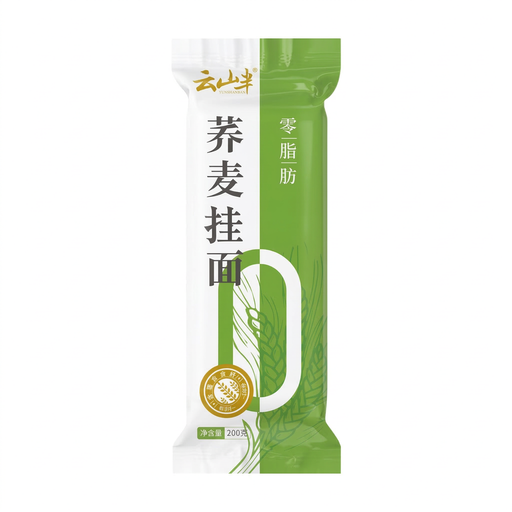
Why it suits this profile: The 200-gram pack is ideal for trying the flavour and texture before committing to a larger quantity.
The ingredients list includes wheat flour, which means the noodles contain gluten. It’s clear from the outset that these aren’t gluten-free buckwheat noodles.
According to the product specifications, it has a high buckwheat flour content, cooks quickly and is suitable for soups, stir-fries and cold salads.
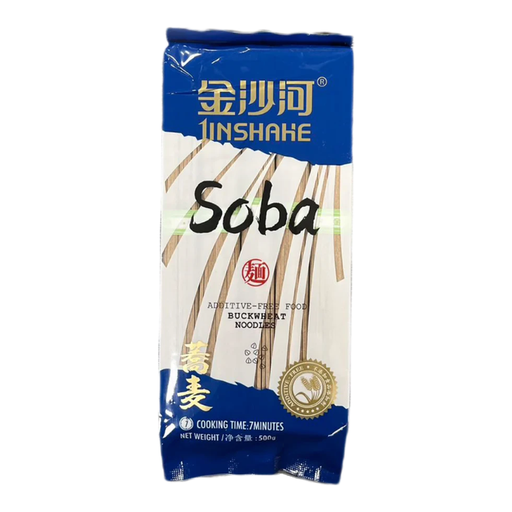
Why it suits this profile: This medium-sized pack combines a stated buckwheat content of at least 30% with a size that’s well suited to regular use at home.
The buckwheat content is clearly stated in the product information. Wheat is also listed as an allergen, so you don’t have to rely on the product name.
At least 30% buckwheat flour, a 500-gram pack and suitable for both hot and cold dishes.
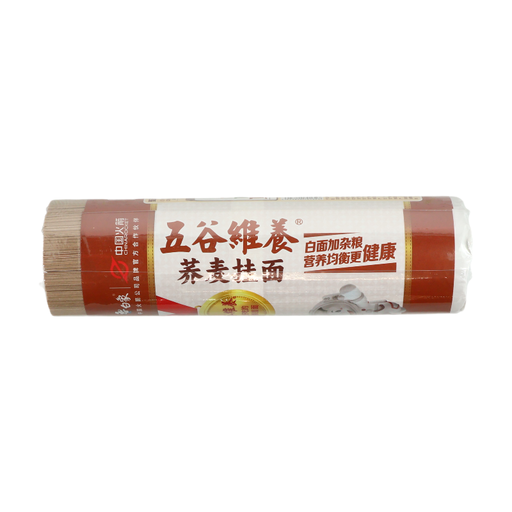
Why it suits this profile: The 1-kilogram pack is a good fit for families, batch cooks and households that regularly make noodle soup, stir-fries or cold noodle dishes.
The ingredients include wheat flour, buckwheat flour, water and salt. This pack isn’t suitable if you need to avoid gluten.
A large bulk pack, four main ingredients according to the product information, and a stated cooking time of around 4 to 6 minutes.
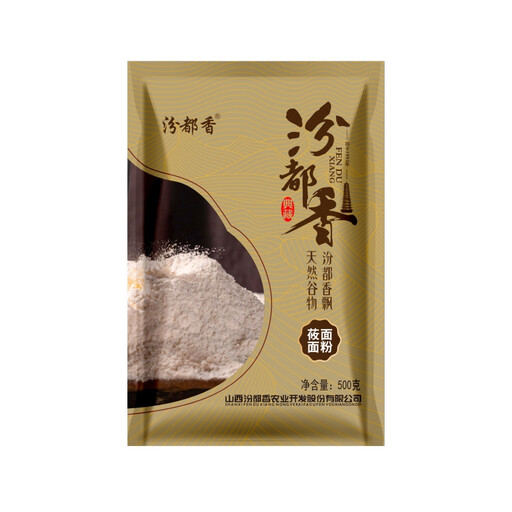
Why it suits this profile: If you want to make your own buckwheat dough, dumplings or noodles, you’ll have more control over the ingredients than with ready-made noodles.
The ingredients list states that it contains 100% buckwheat. If you follow a gluten-free diet, always check the current packaging and cook the dough thoroughly.
500 grams of pure buckwheat flour, with no added ingredients according to the product information; suitable for homemade noodles and other dough-based recipes.
We’ve put together a complete, up-to-date list of products that meet these strict selection criteria and the applicable European safety regulations.
No. Japanese soba can be made from a blend of buckwheat flour and wheat flour. Check the buckwheat flour percentage and allergen information. Some products sold as soba contain relatively little buckwheat.
Follow the best-before date on the pack. Store dried noodles in a sealed container in a cool, dry place, away from direct sunlight and moisture. Once opened, make sure the pack is properly resealed to limit moisture absorption and the transfer of odours.
Cook dried noodles in plenty of boiling water, following the instructions on the pack. For cold dishes, briefly rinse them in cold water. For soup, you can add them straight to the broth after draining. Prepare instant buckwheat noodles according to the soaking, cooking or microwave instructions provided, and don’t eat them uncooked.
