
Vandaag of morgen in huis

Kwaliteit gegarandeerd

Welkomstaanbiedingen ontgrendelen: GRATIS bezorging | Tot 80% korting | Gratis 30 dagen JoyPlus-proefperiode
Download de app
Buckwheat noodles may seem easy to choose at first glance. However, they can vary considerably in ingredients, portion size, preparation and flavour. The name soba also doesn’t automatically mean a product contains a lot of buckwheat. If you look only at the packaging or an appealing flavour description, you could end up buying a product that isn’t right for the dish you have in mind.
In this buying guide, the Joybuy Product Recommendation Officer explains what to look for when buying buckwheat noodles in the Netherlands. You’ll find practical tips, product suggestions for different situations, and a comparison of Japanese, Korean and instant varieties.
Traditional Japanese soba is made with buckwheat flour, but some products with “soba” in the name are made mainly from wheat flour. For example, according to the product information, Jin Shahe Soba Noodles 1kg contain wheat flour, water and salt, with no buckwheat flour listed. The Nissin Soba Teriyaki Instant Fried Noodles 110g are also described as being made from wheat.
So always check the ingredients list and, if available, the percentage of buckwheat flour. A product containing 15%, 20%, 30% or 40% buckwheat will have a different flavour and composition from one that doesn’t list buckwheat at all.
Buckwheat noodles are often described as healthy noodles or a high-fibre food. It’s important to consider these claims alongside the full label. Dry noodles may be relatively low in fat, while an instant variety with sauce, oil or seasoning may contain more salt or fat per portion.
According to the product information, YunShanBan 0 Fat Buckwheat Noodles contain 0 grams of fat per 100 grams. That doesn’t automatically make every dish prepared with them low in fat: the sauce, oil, stock and toppings also affect the nutritional value of the meal.
Buckwheat isn’t a type of wheat, but many buckwheat noodles are blended with wheat flour. The products mentioned here generally contain wheat and gluten. According to the ingredients list, Ottogi Buckwheat Noodles 400G contain, among other ingredients, 56% wheat flour and 30% buckwheat flour. NH Buckwheat Noodles 300g also contain wheat flour and 20% buckwheat flour.
If you’re looking for gluten-free noodles, don’t rely on the word buckwheat alone. Check that the product is explicitly labelled gluten-free and read the allergen information on the packaging.
The percentage of buckwheat is a useful way to compare products. Here are a few examples:
A higher percentage can give the noodles a more pronounced buckwheat flavour, but the final texture also depends on the wheat, starch and other ingredients.
Dried soba noodles are handy to keep in the cupboard. You’ll usually cook them in plenty of water for a few minutes, then use them in soup, a cold salad or a stir-fry. Cooking times vary by product: some varieties take around 3 to 5 minutes, while others need 5 to 7 minutes.
Instant soba noodles are all about convenience. According to the product information, the Nissin cups are ready in around 3 minutes with boiling water. Do check whether you’re buying a soup or a sauce variety: with some cups, you drain the water and mix the noodles with the sauce, while others contain a broth.
According to the instructions, pre-cooked buckwheat noodles such as JINBAIWEI Buckwheat Noodles 200g only need to be heated in the microwave. This can be useful for a quick lunch, but always check that the packaging is microwave-safe and follow the stated preparation instructions.
A 300 g pack of buckwheat noodles is a good choice if you want to prepare a few meals without stocking up in bulk. Packs of 500 g, 800 g or 1 kg are more practical for several people or regular use. The Wheatsun variety comes in a 300 g × 2 pack; the Jin Shahe pack contains 1 kg.
Also check how much sauce is included. An instant pack weighing 90 to 125 grams often contains both noodles and a seasoning mix or sauce. Its net weight isn’t directly comparable with 300 grams of dried noodles.
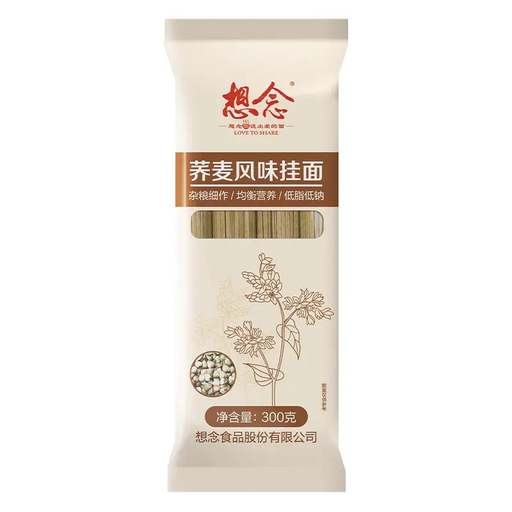
Why it suits this profile: A 300-gram pack is a manageable size if you’re trying buckwheat noodles for the first time. The noodles are suitable for soups, sauces and stir-fries.
The ingredients list includes buckwheat flour alongside wheat, maize and sorghum flour. This makes it clear that it’s a multigrain blend, not a gluten-free variety.
122 grams per pack, sesame sauce included and, according to the description, ready after soaking.
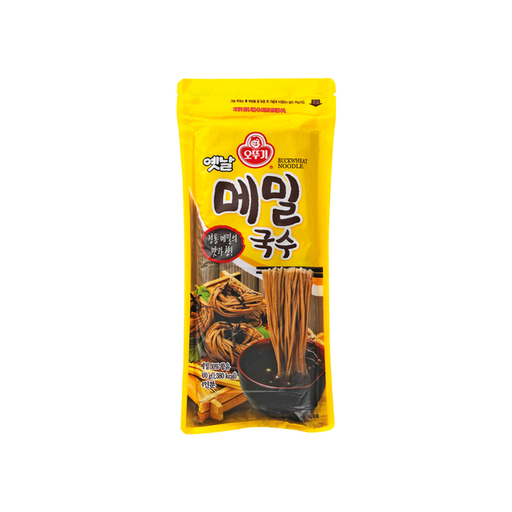
Why it suits this profile: These Korean buckwheat noodles are a good match for anyone who enjoys a firm texture and dishes such as cold noodles, soup or noodles with a spicy sauce.
The buckwheat percentage is stated: 30%. Wheat flour is also clearly listed, so you can check the allergen information.
400 grams per pack, 30% buckwheat flour and a noodle product intended to be cooked, with no sauce included.
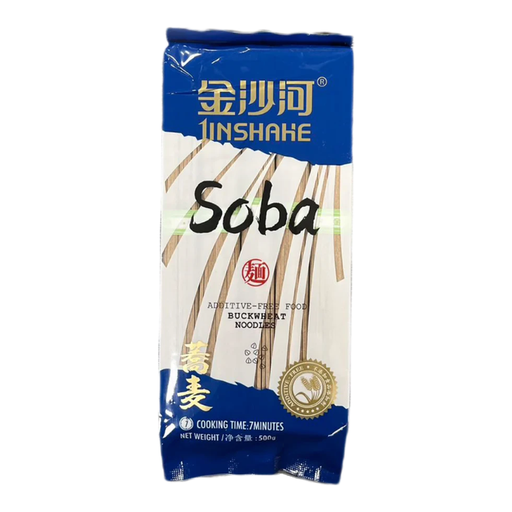
Why it suits this profile: The larger pack is useful if you regularly cook Asian noodles and like to choose whether to serve them hot, cold or with sauce.
The product states that it contains at least 30% buckwheat flour and makes it clear that it contains wheat. This means you can check the percentage and spot the gluten-free pitfall.
500 grams, 30% or more buckwheat flour according to the product description, and suitable for hot or cold dishes.
We’ve put together a complete, up-to-date list of products that meet these strict selection criteria and the applicable European safety regulations.
For dried noodles, use a large pan of boiling water. Give them a quick stir after adding them to stop the strands sticking together. Follow the cooking time on the packaging and, if you like, taste a noodle before draining. To serve soba cold, rinse the noodles briefly under cold water after cooking. This removes excess starch and stops them cooking further.
With instant varieties that come with sauce, you’ll often need to drain the water before adding the sauce. For soup varieties, the cooking water is part of the dish. So follow the instructions on each pack rather than using one method for every type of Asian noodle.
Not automatically. Many varieties contain wheat flour and gluten. Check the ingredients and allergen information. The products in this selection aren’t necessarily suitable for a gluten-free diet.
Soba generally refers to Japanese noodles made with buckwheat, but commercial products may also consist mainly of wheat. So check the stated buckwheat percentage. Japanese soba noodles and Korean varieties may also differ in texture, shape and preparation method.
Instant soba noodles in a cup are convenient when all you need is boiling water and a few minutes. If you’d rather have more control over the sauce, vegetables and portion size, dried noodles in a 300g, 500g or 800g pack are a better choice. If you’re buying buckwheat noodles with sauce, always check the ingredients and the salt content of the included sauce.
