
Vandaag of morgen in huis

Kwaliteit gegarandeerd

Welkomstaanbiedingen ontgrendelen: GRATIS bezorging | Tot 80% korting | Gratis 30 dagen JoyPlus-proefperiode
Download de app
If you're looking for buckwheat noodles, you probably want to serve a nutritious and flavourful meal. But the shelves are packed with options that look the same yet vary widely in quality and composition. Many products give the impression of being healthy, when in reality they have little to do with real buckwheat.
Before you put a pack of noodles in your basket, it's wise to know what to look for. Here, we'll discuss the most common pitfalls and give you practical advice to make the right choice.
It's easy to overpay for a product that doesn't meet your expectations. Pay special attention to these two points:
To make a smart purchase, you only need to check a few key details on the packaging. These are the most important ones.
This is the most important factor. The percentage of buckwheat flour determines the flavour, texture, and colour of the noodles.
Good buckwheat noodles don't need a long list of ingredients. A solid foundation consists of: buckwheat flour, wheat flour, water, and salt.
Watch out for unnecessary additives like extra starches (tapioca starch, corn starch) or flavour enhancers. These are sometimes used to mask lower-quality raw materials. A short, clear ingredient list is often a sign of a purer product. This also makes it a compelling alternative to traditional buckwheat pasta.
The shape and thickness of the noodle determine its best use.
Based on these objective criteria, we have selected a number of products to suit different preferences and budgets.
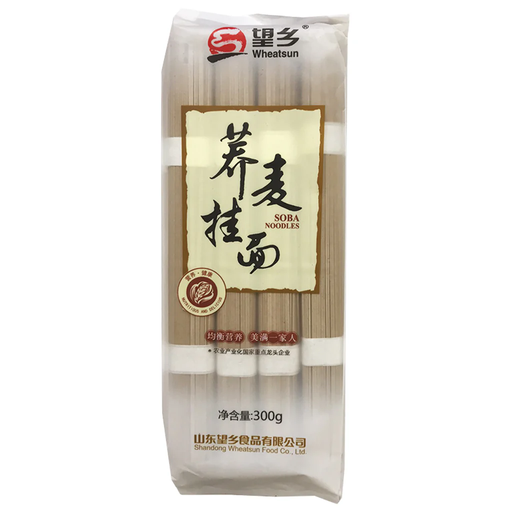
Why This Fits Their Persona: An approachable and versatile noodle for those trying buckwheat for the first time. The flavour isn't too overpowering and the texture is similar to regular wheat noodles, which makes for an easy transition. Ideal for a quick stir-fry or soup.
This product doesn't pretend to be a premium soba noodle. It's an honest, affordable blend of wheat and buckwheat, perfect for getting acquainted with the flavour without overspending.
Quick to cook (5-7 minutes) and versatile enough for both hot and cold dishes. The texture is firm and chewy.
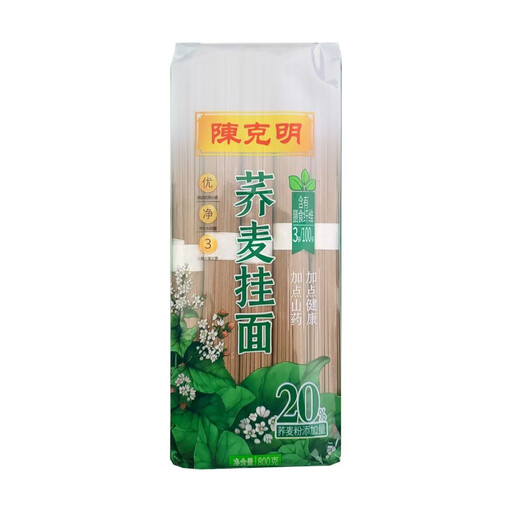
Why This Fits Their Persona: For the cook seeking an authentic, deep buckwheat flavour. The high buckwheat content provides a distinct nutty aroma and a firm, satisfying texture. The large 800g package is ideal for regular use.
This product is transparent, clearly stating a buckwheat content of ≥50%. You know exactly what you're buying and get the quality you're paying for, avoiding the "buckwheat illusion".
High buckwheat content for a rich, authentic flavour. The addition of yam flour ensures a firm and smooth texture that doesn't turn mushy.
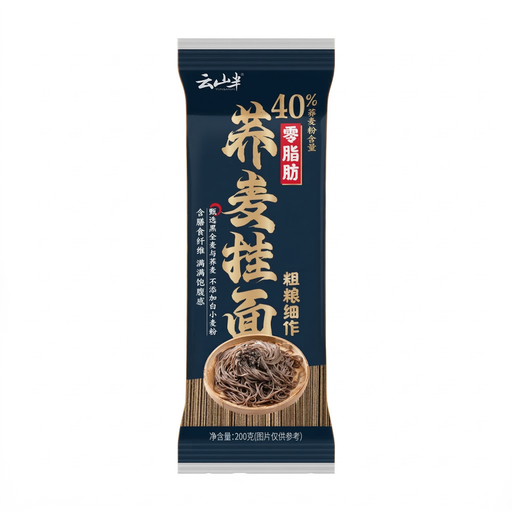
Why This Fits Their Persona: These noodles are specifically aimed at those seeking a light and nutritious meal. The combination of 0 grams of fat and a significant 40% buckwheat content makes this an excellent choice for a balanced diet, without compromising on flavour.
This product is clear about its nutritional values. It avoids vague claims and focuses on two verifiable facts: 0 grams of fat and 40% buckwheat flour. You get exactly the healthy noodles you're looking for.
Guaranteed fat-free and rich in fibre. The noodles cook quickly (3-5 minutes) and provide a light base for soups, salads, or stir-fries.
We've compiled a complete, up-to-date list of products that meet these selection criteria. Find the buckwheat noodles that are a perfect match for your taste and dishes.
Soba is the Japanese name for buckwheat. Traditional Japanese noodles sold as soba often have a defined or high buckwheat content. The general term 'buckwheat noodles' is broader and can also refer to Chinese or Korean varieties. These often contain a lower percentage of buckwheat and more wheat, resulting in a different, often firmer texture.
Most buckwheat noodles are not gluten-free. They almost always contain wheat flour (listed as WHEAT flour on the packaging) to give the noodles elasticity and structure. Although buckwheat itself is naturally gluten-free, noodles made from 100% buckwheat are rare and very brittle. Always check the allergen information on the packaging if you have a gluten intolerance.
Dried noodles are best stored in an airtight container in a cool, dry, and dark place, such as a pantry. This protects them from moisture and prevents them from absorbing odours from other products. Stored this way, they will remain good for months after opening.
