
Vandaag of morgen in huis

Kwaliteit gegarandeerd

Welkomstaanbiedingen ontgrendelen: GRATIS bezorging | Tot 80% korting | Gratis 30 dagen JoyPlus-proefperiode
Download de app
As a Joybuy Product Recommendation Officer, I see a lot of products. My job is to separate fact from marketing and help you make an informed choice. Buckwheat noodles, also known as soba noodles, are more popular than ever. But how do you choose the right ones? Many packages look the same, but the contents vary enormously. Let's go over the common pitfalls and the most important specifications.
Before you fill your shopping cart, it's good to know where things often go wrong. Many consumers overpay for a product that doesn't meet their expectations.
To avoid a bad purchase, focus on two verifiable specifications on the packaging. This will help you choose the right Asian noodles for your dish.
This is the most important factor. The percentage of buckwheat flour determines the flavour, colour, and texture.
soba noodles or looking for a versatile noodle.high-fibre pasta and works well in both hot and cold dishes.Good dried noodles don't need a long list of ingredients. The base usually consists of: wheat flour, buckwheat flour, water, and salt. Sometimes, an acidity regulator (like sodium carbonate) is added to improve the texture and prevent the noodles from becoming mushy when cooked. A short and clear list without unnecessary additives is often a sign of a quality product.
Based on these objective criteria, we have selected a number of products that suit different preferences and budgets.
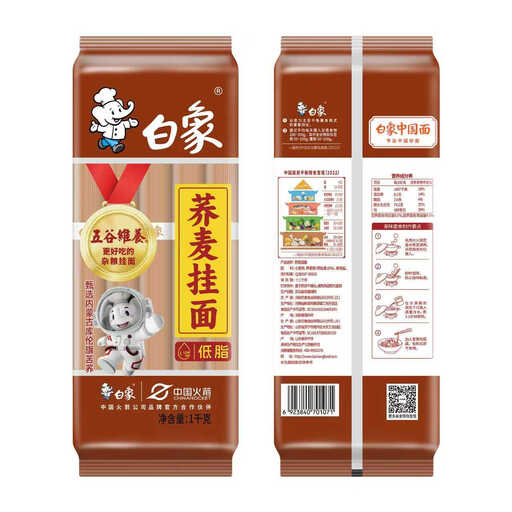
Why This Fits Their Persona: Ideal for those trying buckwheat noodles for the first time or looking to stock up. The mild flavour and elastic texture make these noodles versatile for all kinds of dishes, from stir-fries to soups.
The packaging is clear about the buckwheat percentage (10%). You know exactly what you're buying: an affordable noodle with a hint of buckwheat, without the premium price of a high-percentage product.
The large 1 kg package offers excellent value for money. The texture is smooth and firm, helping the noodles hold their shape well during cooking.
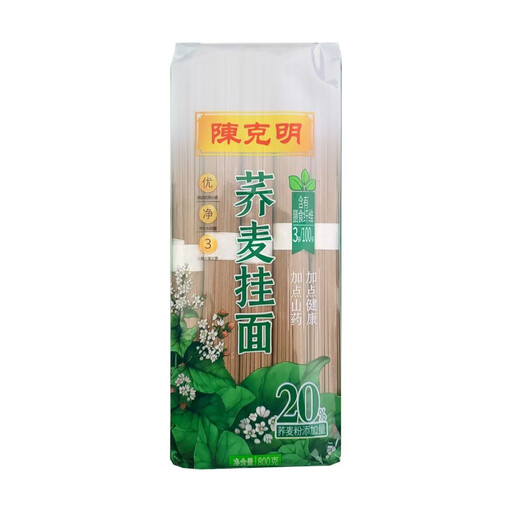
Why This Fits Their Persona: For the home cook seeking the deep, nutty flavour of true soba. Perfect for cold noodle salads (zaru soba) or in a clear broth where the noodle's flavour is the star.
This product directly tackles the "buckwheat" trap with a clearly specified buckwheat content of ≥50%. You get the authentic flavour you're looking for, without any guesswork.
The rich, earthy flavour and firm texture are the main advantages. The addition of yam powder (3%), according to the manufacturer, provides an extra smooth finish.
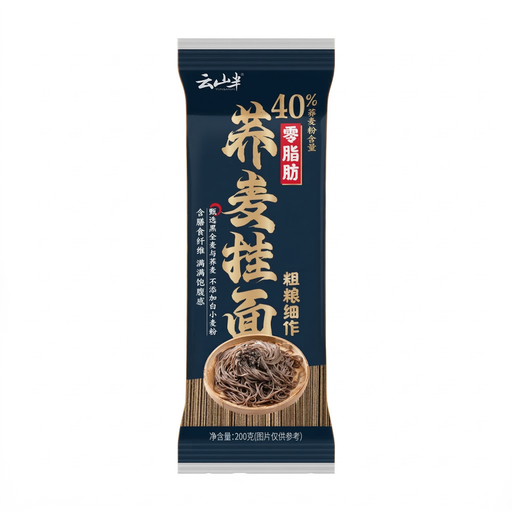
Why This Fits Their Persona: These noodles are an excellent choice for those monitoring their fat intake and looking for `healthy noodles`. The high buckwheat content makes them a nutritious base for salads, soups, and light meals.
The "0 grams of fat" claim is a hard, measurable specification, not a vague marketing term. Combined with a substantial buckwheat percentage of 40%, this product offers transparency and nutritional value.
According to the specifications, these noodles are fat-free and rich in dietary fibre due to the high buckwheat content. They cook quickly (3-5 minutes), which makes them practical for a fast, nutritious meal.
We have compiled a complete, up-to-date list of products that fully meet these strict selection criteria and comply with current regulations.
In practice, the terms are often used interchangeably. "Soba" is the Japanese word for buckwheat. Traditional Japanese soba noodles often have a high buckwheat content. The buckwheat noodles you find in the supermarket are usually a mix of buckwheat and wheat flour. The key is to always check the buckwheat percentage on the ingredient list to know what you're buying.
The secret is a large pot of boiling water. Add the noodles and stir gently right away to prevent them from sticking together. Cook them according to the package directions, but taste them periodically to determine your desired doneness. Drain them and rinse briefly with cold water, especially if you're using them for a cold salad. This stops the cooking process and rinses away excess starch.
No, this is a common misconception. Most buckwheat noodles you can buy are a mix of buckwheat flour and wheat flour, and therefore contain gluten. Buckwheat itself is naturally gluten-free, but 100% pure buckwheat noodles are rare and have a very different, brittle texture. Always check the allergen information on the packaging if you have a gluten intolerance.
