
Vandaag of morgen in huis

Kwaliteit gegarandeerd

Welkomstaanbiedingen ontgrendelen: GRATIS bezorging | Tot 80% korting | Gratis 30 dagen JoyPlus-proefperiode
Download de app
Buckwheat noodles work well in many Asian dishes, but the name does not automatically tell you how much buckwheat they contain. Some packs contain only a small proportion of buckwheat flour and are made mainly from wheat flour. Other varieties have a higher buckwheat content, a darker colour and a more distinct, nutty flavour.
When buying buckwheat noodles online, there are three main pitfalls to watch out for:
With the right information, you can compare Japanese soba noodles, Chinese buckwheat noodles and other Asian noodles more effectively.
Buckwheat noodles are often made from a combination of buckwheat flour and wheat flour. The proportion of buckwheat affects the flavour, colour and texture. A higher percentage generally gives a more pronounced buckwheat flavour, but it can also result in a different bite.
The percentages vary across the range. According to the product information, YunShanBan 0 Fat Buckwheat Noodles contain 40% buckwheat flour. Jin Sha He states at least 30% buckwheat flour, while CKM Dried Buckwheat Noodles contain at least 20% buckwheat flour. Bai Xiang offers varieties with 10% or 15%.
Pay attention to the difference between “with buckwheat” and “high in buckwheat”. If you are mainly looking for noodles containing buckwheat flour for the flavour, it is worth checking the ingredients list and the quantitative ingredient declaration.
Many dried buckwheat noodles contain wheat flour and therefore gluten. Buckwheat itself is not wheat, but a product containing, for example, 40% buckwheat flour and wheat flour is not automatically gluten-free. Always check the allergen information on the product page and packaging.
Also look out for additional ingredients such as salt, wheat gluten, starch or acidity regulators. These are not necessarily a problem, but they do affect the flavour, texture and nutritional values. With a simple list of ingredients, it is easier to understand exactly what you are buying.
Most dried buckwheat noodles need to be boiled. The stated cooking time usually ranges from 3 to 7 minutes. Thin noodles cook more quickly than broad or firm varieties. For cold noodles, briefly rinsing them with cold water is practical; this stops the cooking process and removes excess starch.
Compare the nutritional values per 100 grams of dry product. Examples from the product information include:
These figures are product details, not a judgement on your overall diet. Also check the salt content: Jin Sha He states 450 mg of sodium per 100 grams, while CKM states 1.8 grams of salt per 100 grams. Sauces, stock and toppings can further increase the total amount of salt in a meal.
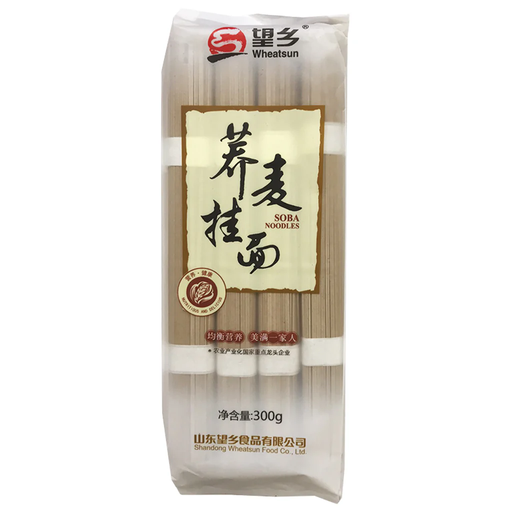
Why it suits this profile: The 300-gram pack is a manageable option if you want to try buckwheat noodles for the first time. The noodles are suitable for soup, cold salads and stir-fries.
The product information clearly lists the ingredients and nutritional values. The buckwheat percentage is not presented as particularly high, so you do not have to base your choice on an unsubstantiated claim.
0.9 grams of fat per 100 grams, 300 grams of product and a cooking time of approximately 5–7 minutes.
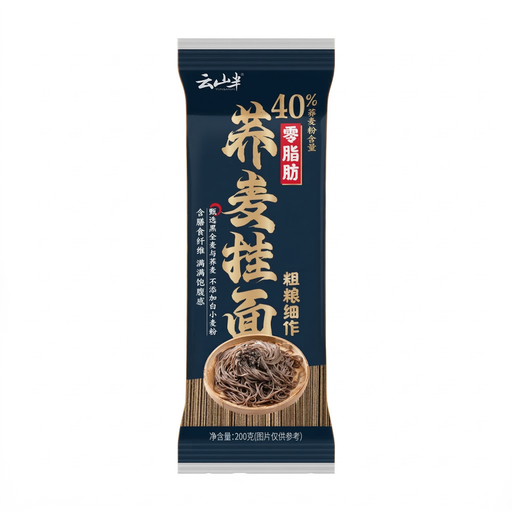
Why it suits this profile: At 40%, this variety has the highest explicitly stated buckwheat content in this selection. It is a good fit if you are looking for a more pronounced buckwheat flavour and a different noodle base.
The buckwheat percentage is clearly stated in the product specifications. This makes the composition easy to verify rather than relying solely on the product name.
40% buckwheat flour, 0 grams of fat per 100 grams and suitable for soup, stir-fries and cold noodles.
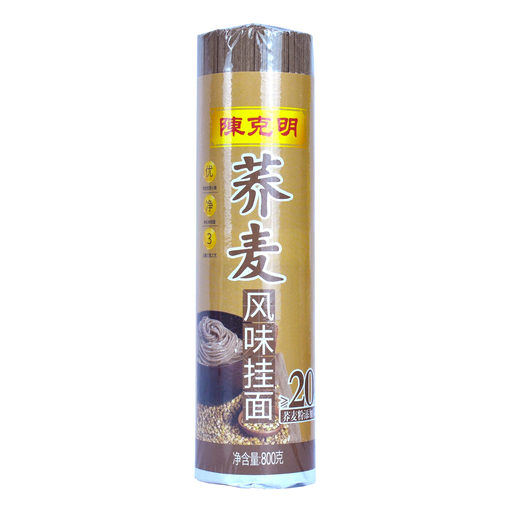
Why it suits this profile: The 800-gram family pack is practical for households that regularly make noodle soup, stir-fries or cold noodle dishes.
The pack states that it contains at least 20% buckwheat flour and provides clear storage and preparation instructions. This helps you match the larger quantity to how much you actually use.
800 grams of product, 12 grams of protein per 100 grams and a stated buckwheat content of at least 20%.
We have put together a complete, up-to-date list of products that fully meet these strict selection criteria and the applicable European safety regulations.
Use a large pan of boiling water and separate the noodles by stirring them after adding them to the pan. Follow the cooking time on the pack, but taste one noodle shortly before draining. For a stir-fry, you can cook the noodles for slightly less time, as they will continue cooking in the pan.
Briefly rinse cooked noodles with cold water when making cold noodles or a salad. For soup, you can use them straight away, but cooking them separately prevents the stock from becoming unnecessarily cloudy. Add sauces only after draining. This helps preserve the texture and allows you to control the amount of sauce yourself.
Store opened dried buckwheat noodles in an airtight container in a cool, dry place. Moisture and odours from the kitchen cupboard can affect their quality. Always check the best-before date on the packaging before use.
Not automatically. Many varieties contain wheat flour or wheat gluten. Always check the ingredients and allergen information on the packaging. Only a product that is clearly labelled gluten-free and meets the relevant requirements is suitable for a gluten-free diet.
Yes. Dried buckwheat noodles can be used in noodle soups, stir-fries, cold salads and dishes with sauces. Thin varieties often cook quickly, while firm or broad noodles offer more bite and work well with strongly flavoured sauces.
Unopened products can generally be kept until the date on the packaging when stored in a cool, dry place away from direct sunlight. Once opened, it is important to seal the pack airtight. Always follow the manufacturer's specific storage instructions.
