
Livraison le jour même et le lendemain

Qualité garantie

Débloquez vos offres de bienvenue: Livraison GRATUITE | Jusqu'à -80 % | 30 jours d'essai gratuits à JoyPlus
Téléchargez l'application
As a Joybuy Product Recommendation Officer, I see many people struggle in the noodle aisle. The shelves are packed with options, from Japanese soba to Chinese multigrain noodles. The confusion is especially high when choosing buckwheat noodles. Beautiful packaging may promise an authentic, healthy meal, but the reality is sometimes a disappointing, sticky mass that tastes more like plain wheat.
Before you buy any noodles, it's helpful to know the most common pitfalls. This will prevent you from wasting money on a product that doesn't meet your expectations.
You don't need to be an ingredients expert to make a good choice. By paying attention to a few key specifications, you can easily find the right noodles for your meal.
The most important characteristic of buckwheat noodles is, of course, the amount of buckwheat. This percentage determines the flavor, texture, and color.
A quick glance at the ingredient list tells you a lot. Besides buckwheat flour and water, you'll often see the following additions:
By checking these specifications, you can make an informed choice that suits your taste and the dish you plan to prepare, whether you're looking for authentic Asian noodles or a nutritious buckwheat pasta.
To help you get started, we've highlighted a few popular choices and matched them with different preferences.
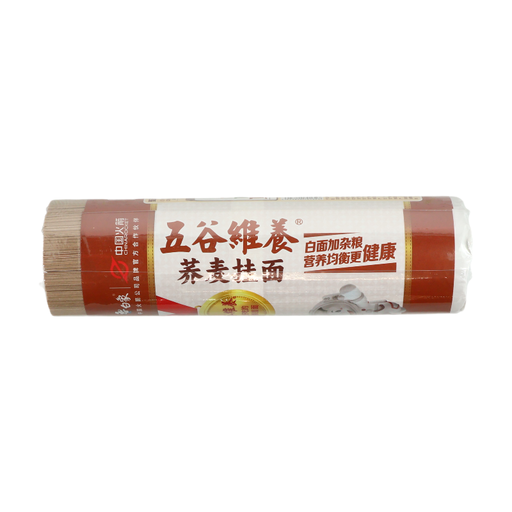
Why This Fits Their Persona: Ideal for families or anyone who likes to keep a well-stocked pantry. The blend of wheat and buckwheat provides a mild flavor and a firm texture that works well in both soups and stir-fries. A reliable choice for everyday use.
This product is honest about its composition. It's a blend, which results in a predictable, firm noodle that doesn't fall apart. You get exactly what you expect from a versatile noodle.
Large 1kg package offering great value. Simple ingredient list with no unnecessary additives.
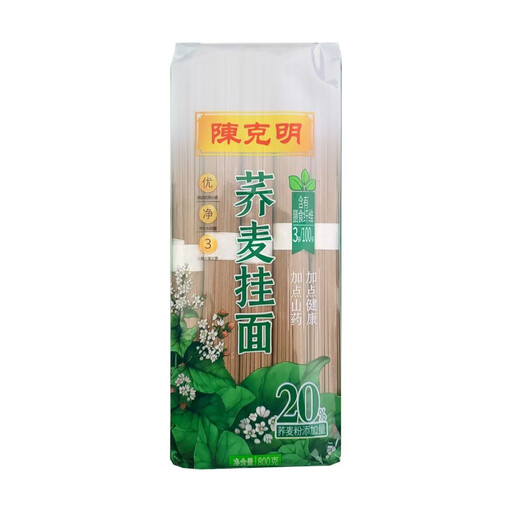
Why This Fits Their Persona: For those seeking the characteristic, deep, and nutty flavor of buckwheat. These noodles are perfect for traditional cold soba dishes or a simple meal where the noodle's flavor takes center stage.
This product avoids the "buckwheat illusion" by clearly specifying a high buckwheat content. The packaging indicates that it contains ≥50% buckwheat flour, so you know you're buying a flavorful product.
Very high buckwheat content for an authentic, rich flavor. The addition of yam flour provides a smooth texture.
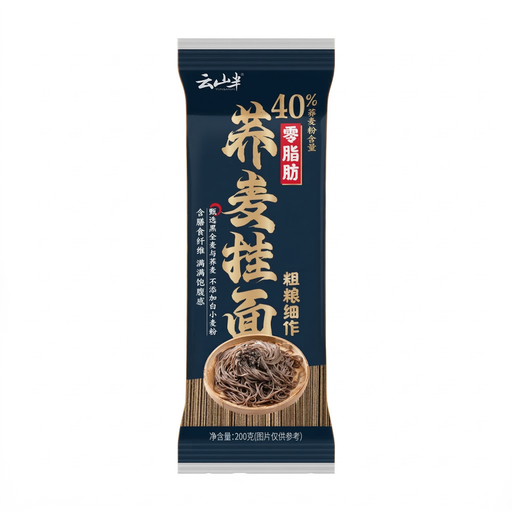
Why This Fits Their Persona: Specifically designed for those looking for healthy noodles. This option combines a high buckwheat content with a fat-free composition, fitting a health-conscious lifestyle without compromising on flavor.
The "0 fat" claim isn't a marketing gimmick but is based on the nutrition facts panel. The product is transparent about its high buckwheat content of 40%, which guarantees a nutritious base for any meal.
Completely fat-free with a significant buckwheat percentage. Cooks quickly and is ideal for light meals.
We have compiled a complete, up-to-date list of products that meet these selection criteria and current regulations.
The term "soba" is the Japanese word for buckwheat. Therefore, Soba noodles are a type of buckwheat noodle of Japanese origin. Although the term is sometimes used loosely, authentic soba often refers to noodles with a buckwheat percentage of 30% or more. Other Chinese noodles or Korean variants may have different ratios and ingredients.
No, this is a common misconception. Most buckwheat noodles you find in stores contain wheat flour to improve the texture and are therefore not gluten-free. Noodles made from 100% buckwheat flour are gluten-free, but they are rarer, more expensive, and have a very different, more brittle texture. Always check the ingredient list if you have a gluten intolerance.
Sticky noodles are often the result of too much starch. Follow these steps for a perfect result:
