
Same-day & Next-day Delivery

Quality Guaranteed

Unlock Your Welcome Offers: FREE Delivery | Up to 80% OFF | Free 30-day JoyPlus trial
Download the APP
Buckwheat noodles, from Japanese soba to Korean naengmyeon, are quickly gaining popularity in kitchens worldwide. They are versatile, have a unique nutty flavour, and fit well into a health-conscious lifestyle. But the growing selection on store shelves also brings confusion. Not every package labelled "buckwheat" delivers the quality and taste you're looking for. Many home cooks end up with mushy noodles or a product that barely tastes like buckwheat.
As a Joybuy Product Recommendation Officer, I see where things go wrong every day. Before you fill your shopping cart, it's wise to be aware of a few pitfalls that could cost you money and a good meal.
To avoid a bad purchase, you don't need to be an ingredients expert. By paying attention to two key points, you can make a much better choice that suits your dish.
This is the most important factor. The percentage of buckwheat flour determines the flavour, colour, and bite of the noodles.
Besides buckwheat, most noodles contain other ingredients that are crucial for the texture.
By checking the ingredients list, you can get a good idea of the expected texture and choose the right Asian noodles for your recipe.
To help you choose, we have highlighted a few products that suit different preferences and cooking styles.
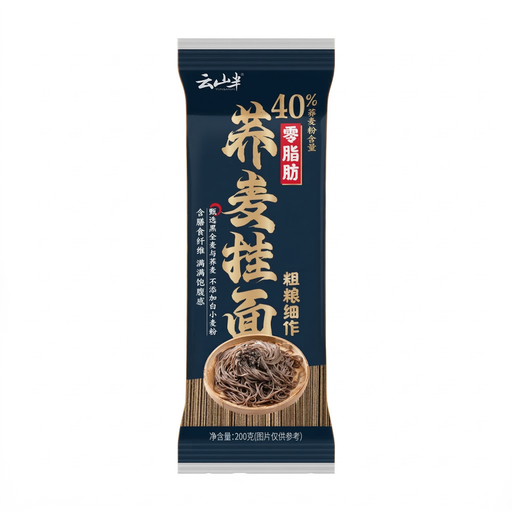
Why This Fits Their Persona: Ideal for those seeking a nutritious and straightforward choice. These noodles are easy to prepare and fit perfectly into a conscious lifestyle, without you having to decipher the fine print.
This product avoids the 'buckwheat bluff' by clearly stating the percentage (40%). You know exactly what you're buying: a noodle with a significant amount of buckwheat.
High buckwheat content (40%) for good flavour and nutritional value. According to the manufacturer, it's fat-free, making it a light option.
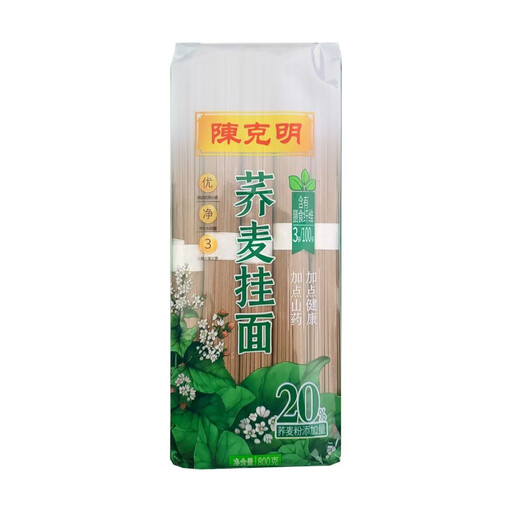
Why This Fits Their Persona: For the home cook looking for the deep, earthy flavour characteristic of authentic buckwheat dishes. Perfect for making traditional Japanese soba or other dishes where the noodle is the star.
With a buckwheat content of ≥50%, this product delivers the robust flavour you won't find in most supermarket varieties. It's not a 'one-size-fits-all' noodle, but a specific choice for depth of flavour.
Very high buckwheat content (≥50%) for an authentic, nutty flavour. The addition of yam flour provides a firm and smooth texture. The large 800g package is ideal for regular use.
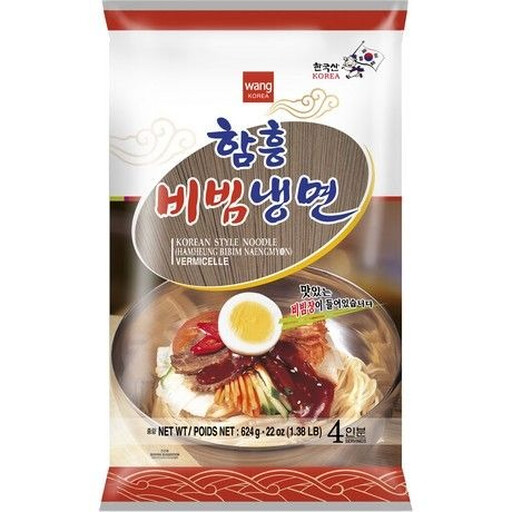
Why This Fits Their Persona: For those who want to create an authentic Korean dining experience at home without having to guess the right ingredients. This is a complete kit for Hamheung Bibim Naengmyeon, a popular cold noodle dish.
This product avoids the pitfall of 'the wrong noodle for the dish' by offering a complete meal solution. The noodles and the spicy sauce are perfectly matched.
A complete meal kit for an authentic Korean dish (*naengmyeon*). Includes the signature chewy noodles and the sweet-and-spicy gochujang sauce.
We have compiled a complete, up-to-date list of products that fully meet these strict selection criteria and regulations.
Most buckwheat noodles are not gluten-free. Although buckwheat is naturally gluten-free, almost all commercial varieties, including soba noodles, are mixed with wheat flour to make the texture elastic and firm. Always check the ingredients list for "wheat flour". Products that are 100% buckwheat (known as 'juwari soba' in Japan) are rare and will be explicitly labelled as such.
Although both use buckwheat, there are clear differences. Japanese soba often has a higher buckwheat percentage, resulting in a firmer, earthier flavour. Korean naengmyeon noodles are typically thinner and noticeably chewier. This is due to the addition of starches, for example from sweet potato. Naengmyeon is traditionally served cold.
The trick is not to overcook them and to rinse them immediately after draining. Use a large pot with plenty of boiling water. Follow the cooking time on the package, which is usually between 4 and 7 minutes. Taste a noodle towards the end of the cooking time. Drain them and immediately rinse with cold water. This stops the cooking process and removes excess starch, which is essential for a good texture, especially for a noodle salad.
