
Vandaag of morgen in huis

Kwaliteit gegarandeerd

Welkomstaanbiedingen ontgrendelen: GRATIS bezorging | Tot 80% korting | Gratis 30 dagen JoyPlus-proefperiode
Download de app
A brush may seem like a simple product, but the wrong model can quickly become frustrating. A cleaning brush with bristles that are too soft won’t remove stuck-on residue. A bottle brush that isn’t long enough can leave dirt at the bottom. And a make-up brush that takes a long time to dry needs more care than you might expect.
So don’t focus only on colour, price or a bold marketing claim. Think about what you’ll use the brush for, what it’s made from and how easy it is to clean after use.
A washing-up brush isn’t automatically suitable for a pan, glass bottle or bathroom tiles. Brushes vary in bristle length, stiffness and shape. Choose a brush that’s suited to each task. This helps prevent scratches on delicate surfaces and unnecessary wear to the brush.
The same goes for oral care and beauty. Interdental brushes, a toothbrush, a make-up brush and a facial cleansing brush are designed for different uses. Don’t use them interchangeably, and always follow the instructions on the packaging.
A brush that stays wet all the time can develop an unpleasant smell and wear out more quickly. This is especially true of washing-up brushes, toilet brushes and bottle brushes. A stand or hanging loop can help water drain away.
For a toilet brush, a holder with drainage space is practical. A separate stand or a well-ventilated spot is useful for a bottle brush. Clean your brush after use and replace it when the bristles come loose, become misshapen or show visible signs of wear.
Words such as ‘extra hygienic’, ‘professional’ or ‘suitable for all surfaces’ don’t tell you much without specific details. Instead, check:
A brand’s own research may suggest that a product has a particular effect, but this isn’t a general guarantee for every user. Base your choice on verifiable product information and how you plan to use it.
Nylon bristles are commonly used in washing-up brushes, nail brushes and some cleaning brushes. They’re sturdy and easy to rinse. Softer synthetic fibres may be more suitable for make-up, while natural bristles are used for specific purposes, such as on some shoe-polishing brushes.
The right level of stiffness depends on the surface. Stiff bristles are useful for grouting, soles and stuck-on dirt. For glass, painted surfaces or delicate shoes, a softer brush is usually a safer choice. If you’re unsure, test it on an inconspicuous area first.
A long handle is useful for a deep bottle, a bath brush or hard-to-reach spots. A short, wide handle often gives you more control when washing up or scrubbing. Check the overall length, the width of the head and the shape of the bristles.
For example, a duster measuring around 70 cm can help you reach high shelves and awkward surfaces. A toilet brush with a long handle and a suitable holder is practical for everyday use.
Check whether the brush can be cleaned with water and mild washing-up liquid. Some models are dishwasher-safe; others need to be washed by hand. Don’t immerse electric models unless the instructions specifically allow it.
A nail brush and personal care brushes need to be able to dry after use. Use a facial cleansing brush only as instructed, and stop if irritation occurs. With interdental brushes, choosing the right size is important: a 0,45 mm brush won’t necessarily fit every gap between your teeth. If you’re unsure, ask your dentist or dental hygienist for advice.
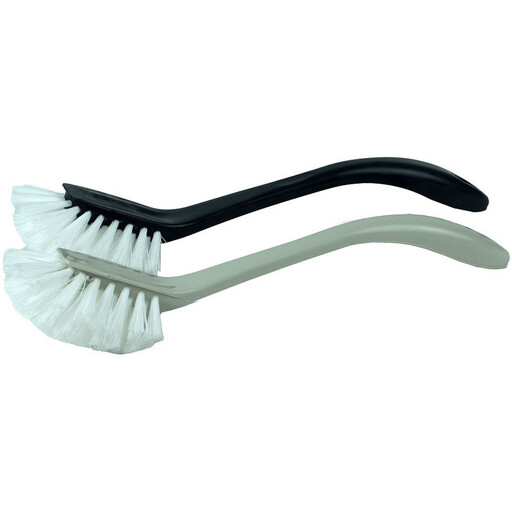
Why it suits this profile: A straightforward washing-up brush for plates, pans, pots and kitchen surfaces, with no complicated features.
The product description mentions an ergonomic handle, sturdy bristles, and easy rinsing and drying.
Suitable for everyday kitchen tasks; one brush per pack and a plastic handle.

Why it suits this profile: For anyone who wants to organise shoe care as a separate routine, with several brushes in one set.
The set is designed for shoe care, so you won’t need to use one general-purpose brush for different tasks.
Four-piece set; horsehair and beechwood handle, as stated in the product name.

Why it suits this profile: For bottles, travel mugs, vases and other narrow containers that a regular washing-up brush can’t reach properly.
Its slim shape, flexible bristles and included stand are designed to help you reach inside and dry it after use.
Lightweight at 0,04 kg; stand included; suitable for narrow openings.
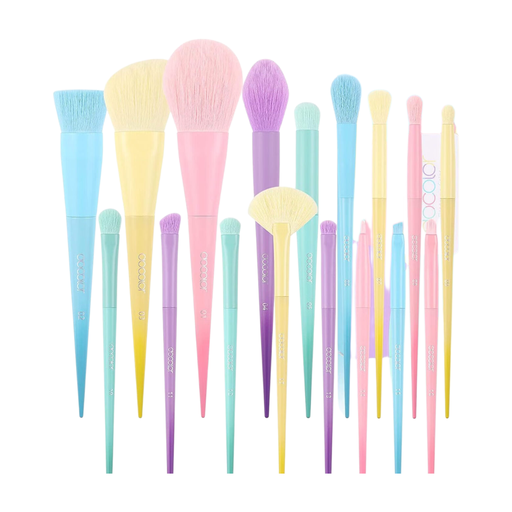
Why it suits this profile: A comprehensive set for anyone who wants to use separate brushes for different make-up tasks.
The set includes separate brushes for different uses. Clean them regularly and let them air-dry completely.
17-piece set; synthetic nylon fibres; brushes for foundation, powder, blusher, eyebrows and eyeshadow, among other uses.
We’ve put together a complete, up-to-date list of products that meet these strict selection criteria and current European safety regulations.
It depends on how often you use it and the condition of the bristles. Replace a washing-up brush, nail brush or cleaning brush as soon as the bristles become flattened, come loose or no longer clean effectively. Replace a toilet brush when the head is worn or can no longer be cleaned properly. For toothbrushes and interdental brushes, follow the advice from the manufacturer or your dental care professional.
Rinse the bristles with warm water straight after use, and add a mild cleaning product if needed. Remove any food residue, shake off excess water and leave the brush to dry upright or in the stand provided. Don’t leave it sitting in water for a long time unless the product information says this is allowed.
A shoe-polishing brush with suitable bristles is designed to clean and care for shoes. A set with several brushes can be useful if you want to treat different materials or follow separate care steps. Always check the care instructions for the material first.
