
Vandaag of morgen in huis

Kwaliteit gegarandeerd

Welkomstaanbiedingen ontgrendelen: GRATIS bezorging | Tot 80% korting | Gratis 30 dagen JoyPlus-proefperiode
Download de app
When you want to buy soft drinks online, you’ll soon find dozens of options side by side: sparkling water, Coke Zero, lemonade, fruit-flavoured fizzy drinks and international flavours. The packaging catches your eye, but it doesn’t always tell you enough about what’s inside. Multipacks in particular can lead to more stock than you need, a disappointing flavour or a higher sugar content than expected.
A few simple checks make it easier to compare soft drinks. Look at the nutritional information per 100 ml, the ingredients, the pack size and the number of items in each pack. That way, you can choose the right option for home, a party or everyday use.
A fizzy fruit drink may consist mainly of carbonated water, flavourings and sweeteners. So check the percentage of fruit juice or purée. According to the product information, Charlie’s Sparkling Water Passionfruit is made with 95% carbonated water and 5% organic juice, with passionfruit and orange.
Other products focus more on flavourings. That isn’t necessarily a bad thing, but it does affect what you’re buying. If you’re looking for a fruity soft drink, it’s worth distinguishing between ingredients such as “juice”, “purée” and “flavouring”.
A sugar-free soft drink may contain sweeteners. Coca-Cola Zero Sugar, for example, lists aspartame and acesulfame K in its ingredients. Chi Forest Sparkling Water lists erythritol and sucralose, among other ingredients. Also check the label for warnings such as “contains sweeteners” or a source of phenylalanine.
It’s also worth distinguishing between 0 g of sugar and a low sugar content. A drink with 4.4 grams of sugar per 100 ml contains around 14.5 grams of sugar in a 330 ml can. TING Pineapple Soda is one example, based on the nutritional information provided.
A multipack of soft drinks is handy for families and parties, but look beyond the price on the product page. Compare:
A box of 24 cans of 330 ml soft drink contains 7.92 litres. A pack of 12 cans contains half that amount. A large multipack can be handy for a one-off party, while a smaller pack can help avoid waste if you only drink soft drinks occasionally.
Nutritional information makes it easier to compare products. Look at:
Some fruit-flavoured sparkling waters contain little energy. Charlie’s Sparkling Water Raspberry & Lime lists 2 kcal and 0 grams of sugar per 100 ml. According to the product information, Coca-Cola Zero Sugar lists 0 kcal and 0 grams of sugar per 100 ml. That doesn’t mean the two drinks taste the same: the first is made with sparkling water and fruit ingredients, while the second has a cola flavour and contains sweeteners.
Ingredients are listed in descending order by weight. If in doubt, always check the current packaging, as recipes and labels can change. Also look out for:
Don’t assume that a product with “BIO” in its name is entirely organic. Check which ingredients are actually described as organic and which certification marks appear on the packaging.
Cans are easy to stack and hand out at a party. A 1.5-litre bottle, such as 7UP Lemon Lime Soda, makes more sense when several people will be sharing it. Small bottles or cans are more convenient on the go, but may cost more per litre.
Store soft drinks according to the label, away from direct sunlight and excessive heat. Once opened, they should generally be refrigerated and used within the stated period.
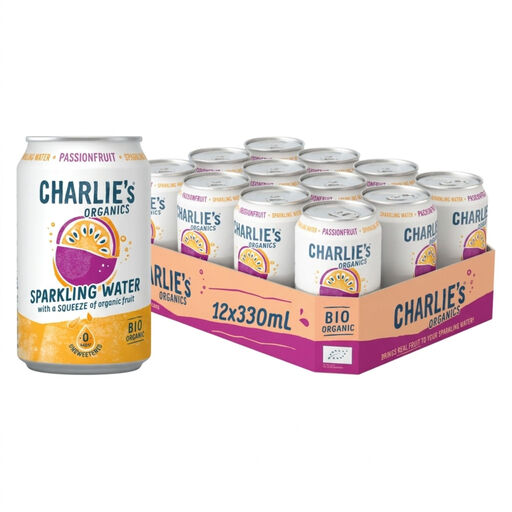
Why it suits this profile: A manageable multipack for anyone who wants to try fruity fizz without buying a large quantity straight away.
The product information states that it contains 0 grams of sugar per 100 ml and clearly specifies the amount of fruit juice.
12 cans of 330 ml, 3 kcal per 100 ml and 5% organic juice, according to the product description.
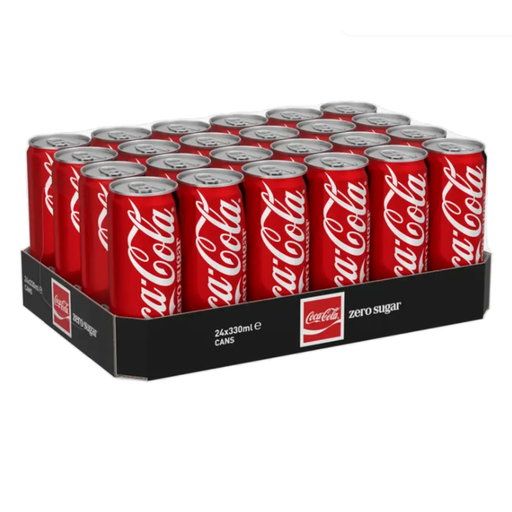
Why it suits this profile: A good choice for fans of a familiar cola flavour who want individual servings for guests, the office or home.
The Zero Sugar claim is backed up by the nutritional information provided: 0 grams of sugar and 0 kcal per 100 ml.
24 cans of 330 ml, suitable for vegetarians and vegans according to the product information.
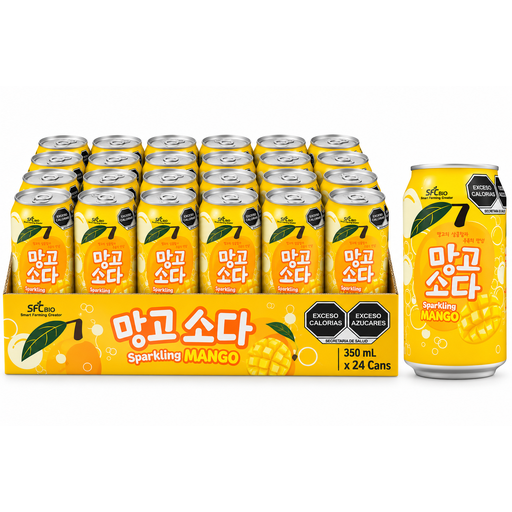
Why it suits this profile: A large multipack for fans of a bold tropical soft drink, whether for gatherings or to keep in stock.
The nutritional information makes the sugar content clear: 12.2 grams of sugar per 100 ml. This lets you compare the mango variety fairly with sugar-free options.
24 cans of 350 ml and a clearly described mango flavour, with mango purée listed in the ingredients.
We’ve put together a complete, up-to-date list of products that meet these strict selection criteria and current European safety regulations.
Which soft drinks are handy for a party?
330 ml cans are easy to hand out chilled and help avoid waste once opened. A multipack of 24 is practical for larger groups. Compare the total volume in advance and consider choosing a few flavours, such as cola, lemonade and tropical soft drinks.
How do you compare the cost of soft drinks online?
Work out the price per litre: divide the price by the total number of millilitres, then multiply by 1,000. Also check the delivery costs and the number of items. A large pack may look like good value, but only if you’ll use the whole lot.
How long does a soft drink keep after opening?
Store unopened soft drinks according to the label and the stated best-before date. Once opened, they gradually lose their fizz. Keep the drink chilled, seal the bottle or pack tightly and follow the storage instructions on the label.
