
Developers with one spare power socket
If you want to use your computer and screen together, compare an all-in-one with a complete mini PC setup. The HP and Lenovo models mentioned combine the computer with a built-in screen.


With just one spare power socket, an all-in-one is a logical first setup to compare, as the screen is built in. However, check what power supply and peripherals the model you choose needs. If you already have a monitor and enough safe power connections, a standalone mini PC lets you keep using it. A Mac is relevant for Apple’s Safari packaging workflow with Xcode, but Apple also mentions a web-based packaging option, so a Mac isn’t a general requirement for browser extensions.
If you want to use your computer and screen together, compare an all-in-one with a complete mini PC setup. The HP and Lenovo models mentioned combine the computer with a built-in screen.
If you’re building extensions for different browsers, it’s worth listing your target browsers and the development tools you’ll need first. Google for Developers and Mozilla describe browser-specific development steps and differences between browser APIs; Apple outlines a separate workflow for Safari.
If you want to keep using a screen that’s in good working order, consider a compact standalone desktop. Check that the video connection is compatible and that both the computer and monitor can be powered safely.
| What to consider | What should you check? | Who should pay particular attention? |
|---|---|---|
| Power sockets for your entire workspace | List your computer, screen, power supply and other equipment together. Check the power supply for the exact model. | If I only have one spare socket, I want to know how many devices my complete workspace needs. Around 36% of consumers prioritise the number of connections needed for the whole workspace. |
| Target browsers and development tools | Make a note of the browsers you’ll support and check your project’s requirements. Mozilla outlines differences between browser APIs; for one Safari packaging workflow, Apple mentions Xcode on a Mac as well as a web-based option. | If my extension needs to work in specific browsers, I want to choose a computer that suits my tools and testing workflow. Around 29% of consumers base their choice mainly on their target browsers and the tools they need. |
| Keeping your existing monitor | Compare the PC’s video output with your monitor’s input, and check the power connections for both devices. | If I already have a monitor that works well, I want to keep using it without taking up unnecessary desk space. Around 21% of consumers prioritise reusing a monitor and choosing a compact PC. |
| Replacing components later | Check the details for the full model number. Don’t assume you can upgrade or repair a product based on its series name alone. | If I want to use my computer for longer, I want to know which components I can replace individually later on. Around 14% of consumers prioritise replaceability and lifespan. |
A standalone mini PC also needs a monitor for a complete workspace. Its compact size doesn’t eliminate the need to power the screen.
Compare the complete setup and count the power connections you’ll need before choosing a case.
The Fire Service advises using approved, undamaged extension leads and not connecting them to one another.
Plan a suitable, safe connection for your entire workspace rather than plugging extension leads into each other.
Mozilla outlines differences between browser APIs, while Apple describes a separate development and packaging workflow for Safari.
First decide which browsers you’re targeting and how you’ll test your extension, then choose a computer that suits the tools you need.
The OmniStudio model mentioned is an all-in-one for anyone who wants to combine their computer and screen in one setup.
The IdeaCentre AIO is an option if you want to combine your computer and screen.
The Mac mini is a desktop without a built-in screen; the iMac combines the computer and screen. Apple also describes a Safari workflow using Xcode on a Mac.
The Pro Micro is a compact standalone desktop for anyone who wants to keep using an existing monitor.
The NUC 15 Pro range is another mini PC option to consider if you’re looking for a compact desktop.
This selection mainly features all-in-one desktops with a built-in screen, as well as a compact standalone desktop for use with a separate monitor.
 No image available
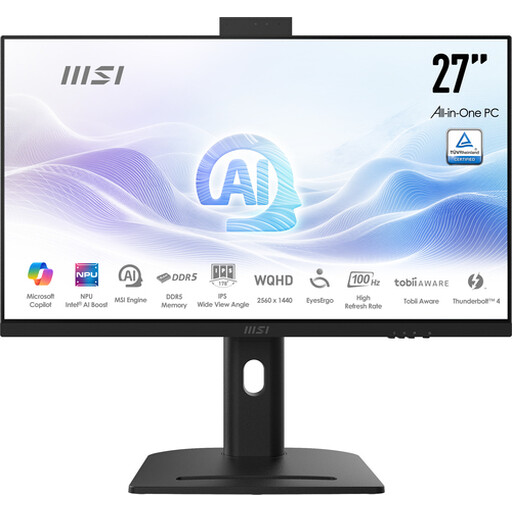
The all-in-one has a built-in screen, so you don’t need a separate monitor for this computer.
27-inch screen with 2560 × 1440 pixels; Intel Core Ultra 5 125H; 16 GB DDR5 memory; 1 TB SSD; Windows 11 Pro.
 No image available
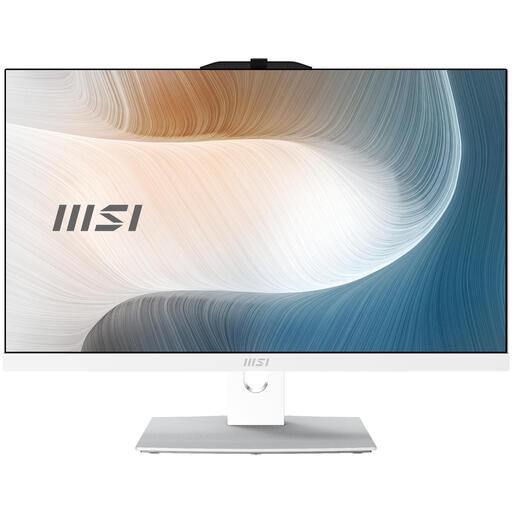
The built-in screen makes this a good option if you want to use your computer and screen in one setup.
23.8-inch screen with 1920 × 1080 pixels; Intel Core 5 120U; 8 GB DDR5 memory; 512 GB SSD; Windows 11 Pro; Wi-Fi 6E.
The product description says the power adapter must be purchased separately. Check this before putting together your complete workspace.
 No image available
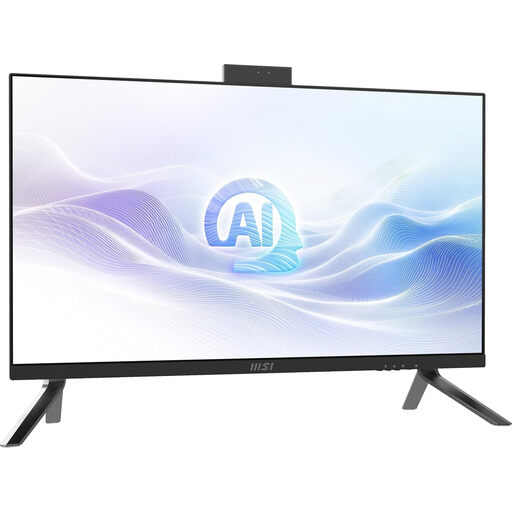
The built-in 27-inch screen makes this model worth comparing if you don’t want to connect a separate monitor.
Intel Core Ultra 7 155H; 32 GB DDR5 memory; 1 TB SSD; Windows 11 Pro; Wi-Fi 6E; 2560 × 1440 pixel screen resolution.
 No image available
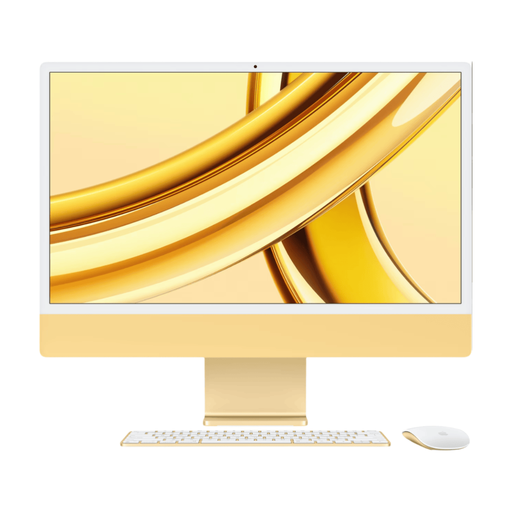
The iMac combines the computer with a built-in screen. The Safari packaging workflow described, using Xcode on a Mac, may be relevant if Safari is part of your project.
M3 chip; 24 GB memory; 512 GB SSD; macOS; 24-inch screen.
 No image available
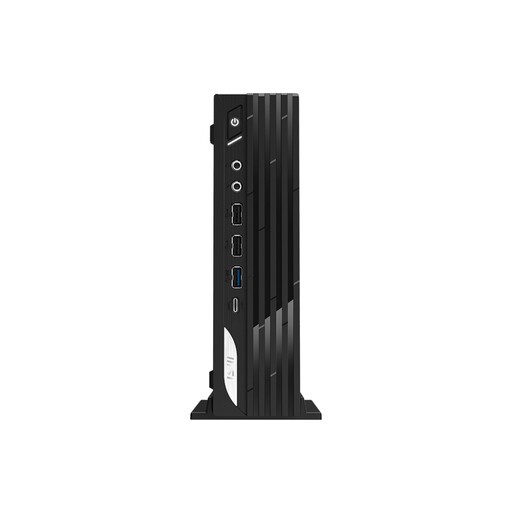
This compact standalone desktop is an option if you already have a monitor. For a complete workspace, you’ll need to connect and power the monitor separately.
Intel Core i7-14700; 16 GB DDR5 memory; 1 TB SSD; Windows 11 Pro; HDMI and DisplayPort connections.
No, not based on the size of the PC. Check how both the computer and your specific monitor are powered. An all-in-one has a built-in screen, although other equipment may still need a power connection.
No. Google for Developers explains how to develop a Chrome extension locally, and Mozilla outlines differences between browser APIs. Apple mentions Xcode on a Mac for one Safari packaging workflow, but also offers a web-based option. Choose based on your target browsers and development workflow.
The Fire Service advises using approved, undamaged extension leads and not connecting them to one another. Don’t rely on leads plugged into each other, and remember to allow for all your devices.
The product description says the power adapter must be purchased separately. Check what’s included with the model you choose before deciding how to connect your complete workspace.
According to the Dutch Government, a manufacturer’s or seller’s guarantee is in addition to your statutory guarantee. For distance purchases, you’ll often have a 14-day cooling-off period; check the terms and who the seller is. Business purchases aren’t necessarily covered by the same rules as consumer purchases.