
Vandaag of morgen in huis

Kwaliteit gegarandeerd

Welkomstaanbiedingen ontgrendelen: GRATIS bezorging | Tot 80% korting | Gratis 30 dagen JoyPlus-proefperiode
Download de app
Brown rice noodles are a handy option when you want to put an Asian meal on the table quickly, while also looking for an alternative to white rice noodles. They work well in curries, stir-fries and cold salads. Yet many packets look very similar. A short cooking time, the term “wholegrain” or a gluten-free symbol doesn’t always tell the full story.
If you’re looking to buy rice noodles with a specific purpose in mind, it’s worth checking three things: the ingredients, the nutritional value and the preparation method. That way, you can avoid noodles that fall apart, lack bite or don’t suit your dietary needs.
Brown rice noodles can contain more fibre than white rice varieties, but always check the ingredients list and nutrition table. According to the product information, Fairtrade Brown Rice Noodles are made from 50% brown rice, 30% rice, 15% rice bran and tapioca starch. The stated fibre content is 5.9 grams per 100 grams.
That’s a more concrete starting point than just the colour of the noodles. So you should always link the term wholegrain rice noodles to the actual ingredients and fibre content on the packet.
Rice is naturally gluten-free, but additives, production lines and unclear labels can matter. The product description for Fairtrade Brown Rice Noodles states “gluten-free”, while the allergen information on the product page is not available. So always check the current label with every purchase, especially if you have an allergy or a medical dietary restriction.
According to the product information, Conimex Rice Noodles contain none of the 14 major EU allergens. That’s product-specific information, not a general characteristic of all rice noodles.
Noodles that are ready in two minutes usually need to be soaked or prepared in hot water. Boiling them for too long can give a soft, sticky texture. For stir-fry dishes, the noodles are often soaked first and then briefly stir-fried at the end.
Also pay attention to the difference between dried rice noodles and pre-cooked noodles. The latter are quicker to use, but have a different texture and storage method.
Look beyond just “rice” and check the other ingredients too. Tapioca starch can add elasticity, while rice bran affects the composition and flavour. If you want to add more fibre to your meal, the nutrition table is more relevant than marketing language on the front.
Fairtrade Brown Rice Noodles state 5.9 grams of fibre per 100 grams, compared to 1.8 grams for Oh! Ricey Rice Noodles according to the available product information. These are product specifications per 100 grams; the actual amount per meal depends on your portion size.
For busy weekdays, quick noodles with a cooking time of two to three minutes are practical. According to the product description, the Fairtrade variety is ready in 2 minutes. Conimex Rice Noodles are soaked in hot water for three minutes according to the instructions.
Also choose the shape based on the dish:
A 225 gram packet is practical for several portions, depending on how many vegetables, protein and sauce you add. Check the storage advice after opening. For the Fairtrade variety, it’s recommended to keep the packet cool and dry, and to reseal it well after opening.
Also check the best-before date on the packet. This can vary per delivery and takes priority over general information on a product page.
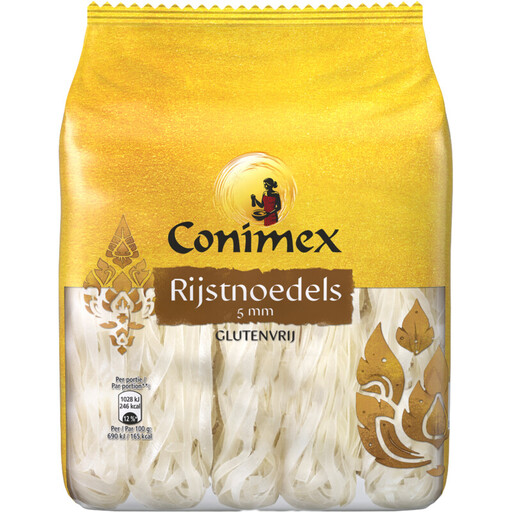
Why this fits the profile: A familiar 225 gram packet for anyone who wants to make Pad Thai, soup or a stir-fry without much preparation.
The packet states a clear three-minute preparation method and indicates that the noodles should be soaked first. This helps prevent overcooking.
5 mm wide rice noodles, 225 gram content and, according to the product information, free from the 14 major EU allergens.
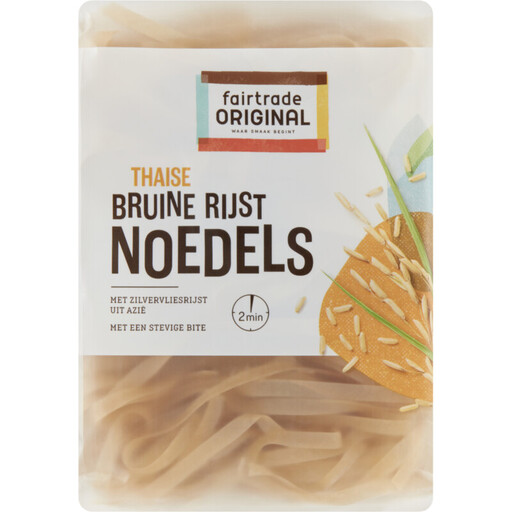
Why this fits the profile: Aimed at those who want to combine brown rice, a stated fibre content and a Fairtrade certification with a quick preparation time.
The product information lists brown rice and rice bran separately, states 5.9 grams of fibre per 100 grams and gives a cooking time of two minutes.
225 grams, gluten-free according to the product description and Max Havelaar Fairtrade certified according to the stated product specifications.
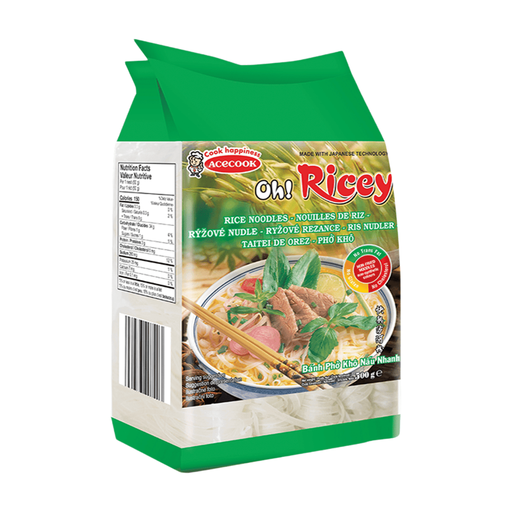
Why this fits the profile: A larger packet for households that regularly use rice noodles in soups, stir-fries or salads.
The 500 gram content makes it easier to keep a stock. Store the opened packet in a cool, dry place and follow the label instructions.
According to the product description, gluten-free, suitable for soup, stir-fry dishes and salad, with 500 grams content.
We’ve put together a full, up-to-date list of products that fully meet these strict selection criteria and comply with current European safety regulations.
Use plenty of sauce with curry. For a salad, lime, sesame oil, fresh herbs and crunchy vegetables can provide contrast. Always check the allergen information separately for any ready-made sauces.
They can be, but it’s not automatic for every product. Check the product claim and the current label. Fairtrade Brown Rice Noodles state gluten-free in the product description, while the allergen information on the product page is not available.
It varies by brand and thickness. According to the product information, Fairtrade Brown Rice Noodles are ready in 2 minutes. Other rice noodles, such as the Conimex variety mentioned, need to soak in hot water for about 3 minutes. Always follow the instructions on the packet.
Yes. Thin varieties work well in curries and salads, while wider noodles often give more texture in a stir-fry. Add soaked noodles at the end and heat them through briefly, so they keep their shape better.
