
Cooking with one large soup pan
You want to simmer brown bean soup gently for a long time, and are mainly checking whether the base of your pan fits the cooking zone and whether the low setting is suitable.


Start by checking the base of your soup pan, how many pans need to cook at once and the connection available in your kitchen. A portable induction hob could be suitable if you need one extra cooking spot and the base of your pan fits the zone; a simmer programme doesn’t guarantee that the temperature in your pan will stay consistently low. If you want to cook soup and side dishes at the same time, a multi-zone hob offers more places for pans, but the connection and installation may need extra consideration.
You want to simmer brown bean soup gently for a long time, and are mainly checking whether the base of your pan fits the cooking zone and whether the low setting is suitable.
You need space for other pans as well as the soup. The layout of the zones, the power available when they’re used at the same time and the connection all matter.
You want an extra cooking spot without using an unsuitable pan or facing an unexpected change to your electrics. Check separately that your pan is suitable for induction and that your connection is right for the model.
First check that your pan and cooking zone are compatible, then consider how many pans need to cook at once and whether your connection is suitable for the model you’re considering.
| What to consider | What to look for | Who is this important for? |
|---|---|---|
| Gentle simmering | Check the low settings and the manual for the exact model. A simmer programme alone doesn’t tell you how steadily the temperature in your pan will be maintained. | If I want to simmer the soup gently for a long time, I want to be able to assess the low setting with my pan and stay nearby while it cooks. Around 29% of consumers prioritise controllable simmering. |
| Pan and cooking zone | Measure the flat base of your pan and compare it with the stated range of the cooking zone; the pan’s top diameter is no substitute. | For a large pan, I want to know whether its base fits the zone before choosing a hob. Around 23% of consumers prioritise a zone that suits their soup pan. |
| Connection and positioning | Check the connection, the model’s manual and the required clearance. Any necessary electrical work should be carried out by a qualified professional. | If I want to use the hob in its existing location, I want to know in advance what connection and space the model requires. Around 18% of consumers prioritise the connection and safe positioning. |
| Several pans at once | Count how many pans need heat at the same time, and check the layout of the zones and the power available when they’re all in use. | For a meal with soup and side dishes, I want to be able to heat several pans at once. Around 18% of consumers prioritise having space for pans to cook simultaneously. |
| Existing pans and costs | Check that the base of your pan is suitable for induction. If you’re buying a built-in hob, ask in advance about any installation requirements. | If I want to keep using my pans and avoid extra alterations, I first check the pan base and installation requirements. Around 12% of consumers prioritise reusing their pans and avoiding additional costs. |
A programme name doesn’t tell you how the soup will behave in your pan during a long cooking time.
Assess the low setting with your own suitable pan and stay nearby while it cooks.
With induction, the pan base and zone need to be compatible. The diameter across the top of a soup pan doesn’t tell you whether its base is within the zone’s range.
Measure the flat base and compare it with the specifications for the exact hob. If the base doesn’t fit, you may need a different pan.
With a single-phase hob, the available power may be shared between several zones. A more powerful model may require a different connection or professional installation.
Check your fuse box and the model’s manual. Ask someone to assess the connection requirements in advance.
Any necessary changes may involve extra installation work.
These hobs get hot themselves and may retain heat after cooking.
Keep the cooking area clear and let the hob cool as directed in the manual.
The Everyday Slim IH2108 is a portable induction hob with one cooking zone.
The CT 2002/IN is a portable induction hob for one pan with a suitable magnetisable base.
The KI120T is a compact induction hob for pans with a base within the stated range.
The built-in KIF562ZT has four zones, making it suitable if you want to prepare soup and side dishes at the same time.
The KP 1091 is a portable electric hotplate with a cast-iron heating element.
This selection includes portable induction hobs with one or two zones, as well as built-in hobs with multiple zones. Compare them based on your pan’s base, how many pans need to cook at once and the connection required. For the exact model, also check the product markings and accompanying information.
 No image available
An option if you’re looking for one extra cooking spot for a pan.
The product information lists 10 power levels, a temperature range of 60–240 °C, 8 pre-set programmes, a timer, a boost function, an LCD display, overheat protection and a child lock. The hob has one cooking zone.
 No image available
An option if you need to cook soup and another dish at the same time.
The product title lists two cooking zones and five temperature settings, with functions for keeping food warm, boiling, simmering, frying and slow cooking at a low temperature.
 No image available
A portable option if you want to heat one pan on an extra cooking spot.
The product information lists five heat settings, a simmer function and one cooking zone.
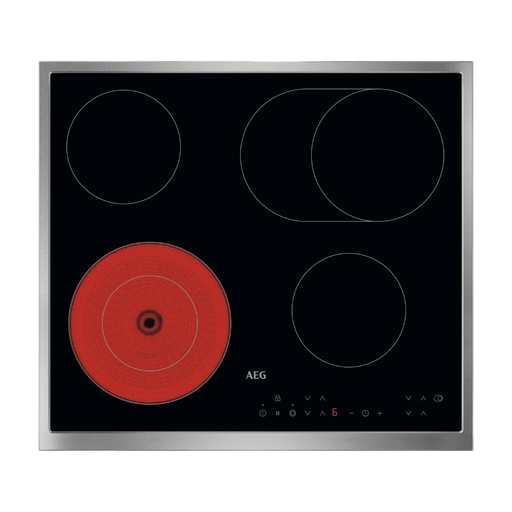 No image available
An option if you want to heat several pans at once and have a suitable space for a built-in hob.
The product information lists four cooking zones and an expandable zone of 1,5–2,4 kW. It’s a built-in model, so the cut-out and electrical connection need to be suitable; the description recommends installation by an electrician.
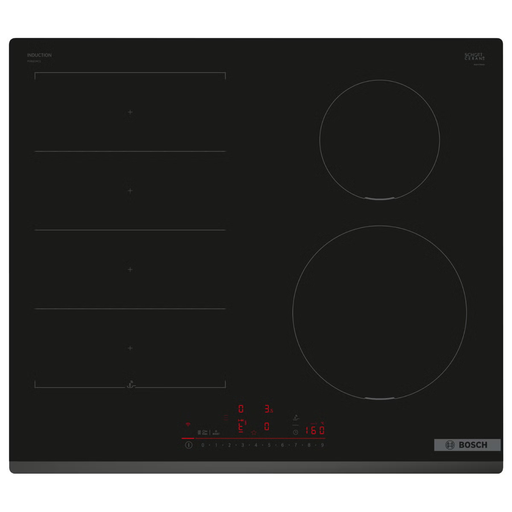 No image available
An option if you want to cook soup alongside other dishes and have a suitable space for a built-in hob.
The product information lists four cooking zones, FlexInduction for larger pans and DirectSelect controls. Check that the zones, pan base and connection are suitable for your kitchen.
Check that the base of the pan is magnetisable and suitable for induction, then compare its flat base with the cooking zone on the model. The pan’s top diameter isn’t a substitute for this check.
No, it depends on the model and the connection it requires. Consumentenbond states that most portable models work through an earthed socket, while more powerful freestanding models may require a Perilex socket and a two-phase connection. Follow the manual for the exact hob.
Stay near the hob while the food is cooking. The fire service advises keeping an eye on food while it cooks; a timer can be a useful reminder, but it doesn’t replace supervision.
Electrical equipment covered by the EU Low Voltage Directive must meet safety requirements and carry a CE marking, as explained by EUR-Lex. Check the marking and product information for the exact model on offer.
Leave leftovers to cool, then cover and store them in the fridge or freezer. Voedingscentrum advises not leaving soup out of the fridge for more than two hours; recommended storage times for specific types of soup don’t necessarily apply to every recipe.