
Vandaag of morgen in huis

Kwaliteit gegarandeerd

Welkomstaanbiedingen ontgrendelen: GRATIS bezorging | Tot 80% korting | Gratis 30 dagen JoyPlus-proefperiode
Download de app
A dull complexion, dark spots or visible redness can quickly tempt you to buy a brightening face cream. However, a bold claim on the packaging is no guarantee that the cream will suit your skin. Ingredients, concentrations, texture and how to use it all matter far more.
Pay particular attention to three common pitfalls:
If you mainly want to care for an uneven complexion, look for:
According to the manufacturer’s product description, the AXIS-Y TXA 2.5% Intensive Brightening Cream contains 2.5% tranexamic acid, niacinamide and panthenol. These are verifiable product specifications. However, the effect on individual pigment spots can vary from person to person.
A hydrating face cream for daily use should feel pleasant and suit your skin type. A light gel cream can be suitable for oily or combination skin, while a richer formula may be better for dry skin.
Also check whether you are looking for a product for the whole face or a spot cream for specific areas. A targeted cream, such as SKIN1004 Madagascar Centella Tea-Trica Spot Cream, is intended according to the product description for use on blemishes. This makes it different from a cream you apply all over the face.
Look before you buy at:
A sun protection product is important when you are caring for pigment spots and an uneven complexion. Without protection, exposure to UV radiation can increase the contrast between dark spots and the surrounding skin.
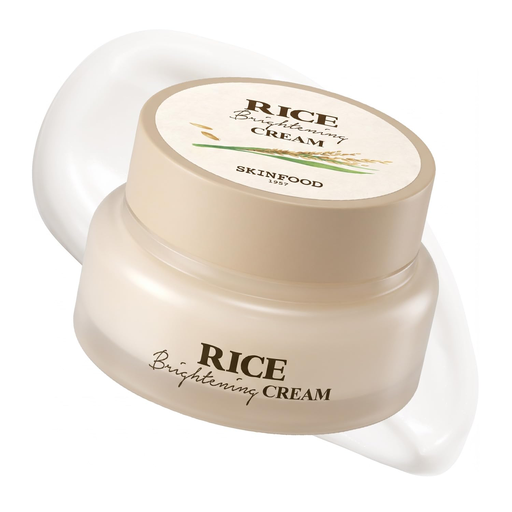
Why this fits the profile: The cream is intended as the final step in your routine and contains, according to the product description, fermented rice water. The light texture can suit daily use without a complicated schedule.
The product information does not mention a complicated combination of multiple strong acids. Do check the current ingredients list on the packaging.
60 ml content, vegan according to the product description and designed as a hydrating final step.
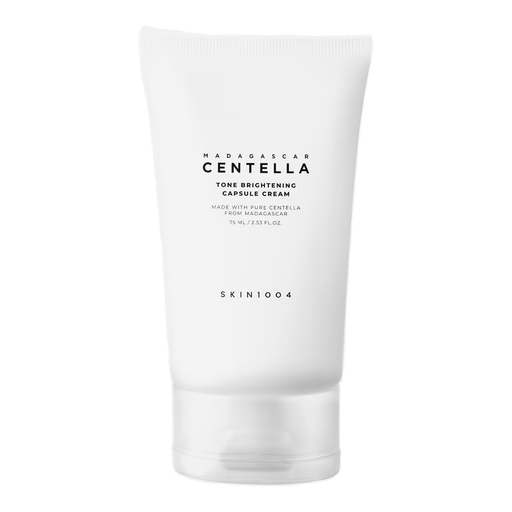
Why this fits the profile: This Korean skincare option combines, according to the product data, 60% centella asiatica extract, niacinamide and tranexamic acid in a 75 ml gel cream.
The stated concentrations give more certainty than just the term “brightening”. The formula is described as alcohol-free and fragrance-free.
75 ml, 4–4.9% niacinamide according to the product information and 1.6–2% tranexamic acid.
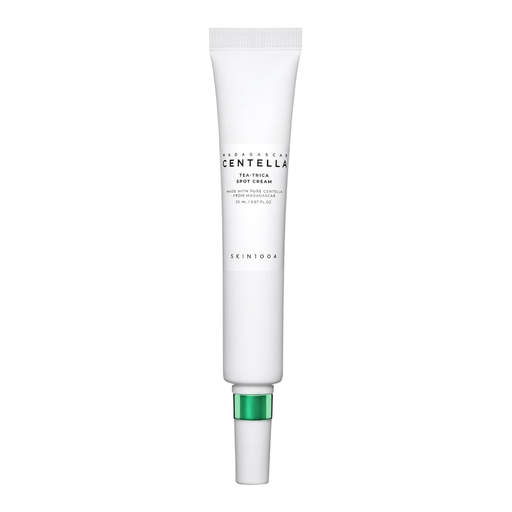
Why this fits the profile: The tube is intended, according to the product description, for targeted application on blemishes and is compact for use on the go, for example to school, work or on holiday.
You use it precisely rather than applying an active formula all over your face. The ingredients list mentions tea tree, niacinamide, centella components and hyaluronic acid.
20 ml tube, targeted application and a formula that is described as light and non-comedogenic according to the product description.
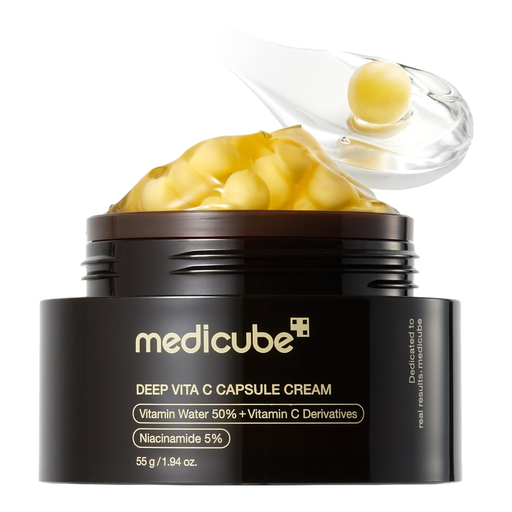
Why this fits the profile: The two components make it possible, according to the product description, to adjust the ratio of gel to capsule. This can be handy when you prefer a lighter or richer texture.
The formula is not based on a claim alone: the product data separately mentions niacinamide, vitamin C derivatives, ferulic acid and hyaluronic acid. First check tolerance on a small area of skin.
55 g content and a mixable gel-capsule structure according to the product description.
We have compiled a full, up-to-date list of products that fully meet these strict selection criteria and comply with current European safety regulations.
Keep your routine simple:
For acne-prone skin, an acne spot cream can be used on specific areas, while a cream for an even skin tone is usually applied all over the face. These products therefore do not have the same purpose.
Usually, an instant result is not realistic. According to a brand’s own research, certain results may be visible after a stated period, but such claims do not automatically apply to every user. Skin type, sun exposure, routine and the nature of the spot all play a role. Stop using it if irritation persists and, if in doubt, ask a doctor or dermatologist for advice.
That depends on your full routine and your skin’s sensitivity. Start with one new product and use it according to the label. Do not combine several strong active products straight away. A simple routine with a hydrating face cream and daily sun protection is often easier to manage than using many products at once.
Follow the expiry date and the period-after-opening on the packaging. Store the cream in a cool, dry place away from direct sunlight, and close the packaging properly. With vitamin C products, careful storage is especially important, as light and air can affect the formula. Do not use a product if the smell, colour or texture has clearly changed.
