
Festival-goer without a photo pass
You want to photograph a musician from the crowd. First, check which types of camera the organiser allows: the rules for a particular event may limit your options.


First, check which type of camera you’re allowed to bring to the event: some organisers allow cameras with a fixed lens, while cameras with interchangeable lenses may be restricted. If you’re allowed to use a mirrorless camera, you can choose a lens to suit your position; a bridge camera gives you a fixed zoom lens in a single device. Also consider focusing on moving people, the reach you need and how much control you want over exposure.
You want to photograph a musician from the crowd. First, check which types of camera the organiser allows: the rules for a particular event may limit your options.
You’re allowed to use suitable equipment and want to capture movement and fleeting moments. Look at focusing on people and shutter speed, not just the number of frames per second.
From further away, usable optical reach is important. Compare the reach of a fixed zoom lens with that of the lens you plan to use on a mirrorless camera; Consumentenbond highlights zoom range as something to consider when buying a camera.
A good fit if: you photograph from different distances and want a lens that stays attached to the camera.
Bear in mind: the lens can’t be changed, and a fixed lens doesn’t guarantee that the organiser will allow the camera.
A good fit if: interchangeable lenses are allowed and you want to choose the reach and angle of view to suit your position.
Bear in mind: check the lens mount and which lens is supplied with the camera; this option won’t suit events that ban cameras with detachable lenses.
| What to consider | What to look for when buying | Who should pay particular attention? |
|---|---|---|
| Permitted camera type | Check the current conditions for the specific event and, if in doubt, ask whether your camera type is allowed. | If I’m photographing from the crowd without a photo pass, I want to know in advance whether I can bring my camera in. For around 28% of consumers, the permitted camera type is the top priority. |
| Musicians in motion | Check subject detection, autofocus during continuous shooting and the shutter modes available on the exact model. | If I want to follow a musician across the stage, I pay attention to both focus and shutter speed. Around 22% of consumers prioritise sharp photos of musicians in motion. |
| Reach from your position | Compare the zoom range or focal length of the lens that’s actually included. | If I’m further from the stage, I want enough optical reach and the ability to decide how much of the stage is in the frame. For around 22% of consumers, reach from their position is the top priority. |
| Bright light and backlighting | Check whether you can adjust shutter speed, aperture, ISO and exposure compensation, and what aperture the lens offers. | When a musician is in front of a bright sky, I want to be able to adjust the exposure without losing sight of the action. Around 17% of consumers prioritise control over exposure in daylight. |
| Complete kit | Check which lens, battery and memory card are included, and consider the camera body together with the lens you plan to use. | If I’m looking for a manageable complete kit, I want to know exactly what I need to bring and whether the essentials are already included. Around 11% of consumers prioritise portability and a complete kit. |
Conditions can vary from one event to another. MOJO says that cameras with interchangeable lenses aren’t allowed at certain events; this isn’t a universal rule for every performance.
Check the latest event information and, if in doubt, ask specifically about your camera type before choosing a camera.
With a mirrorless camera, choosing a lens is a separate buying decision. Consumentenbond also recommends considering an extra battery and memory card.
Compare what’s included in the kit and check whether the supplied lens suits the distance you’ll be photographing from.
Stabilisation that compensates for camera shake isn’t the same as freezing a moving musician. Fujifilm lists the X-S20’s stabilisation specification under specific test conditions; Canon notes that shutter speed is a factor when capturing action.
Assess focus and shutter speed separately from stabilisation, and check the conditions attached to the stated stabilisation specification.
The EOS R7 is an APS-C mirrorless camera for those allowed to use interchangeable lenses who want subject recognition and continuous shooting.
The α6700 is an APS-C mirrorless camera with an E-mount, for those who want to choose a lens to suit their position.
The X-S20 is an APS-C mirrorless camera for those who take body weight and adjustable shooting functions into account.
The Z50II is a mirrorless camera that Nikon describes as suitable for focusing and tracking, including in backlit conditions.
The Lumix DC-FZ1000 II has a fixed zoom lens, making it an option for those who don’t want to change lenses.
This Joybuy selection features digital cameras with zoom specifications in their product titles. Check that your camera type is allowed at your event and compare the actual lens range with your position.
 No image available
Could suit you if you’re looking for a zoom compact camera; check that the model and lens are right for your event and the distance you’ll be shooting from.
The product title lists 4K, 80MP UHD and 18X zoom, and describes the camera as portable and designed for point-and-shoot use.
 No image available
Could suit you if you’re looking for a digital camera with optical zoom listed in the title; compare the range with your distance from the stage.
The product title lists 12X optical zoom, 4K, 64MP and Wi-Fi, and says the camera is suitable for photography and vlogging.
 No image available
Could suit you if you’re looking for a digital camera with the zoom listed in the title; check in advance which accessories you’ll need.
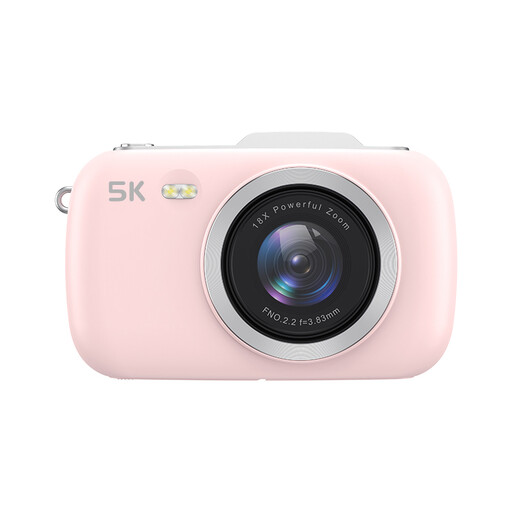
The product title lists 5K, 80MP UHD and 18X zoom. An SD card isn’t included.
 No image available
Could suit you if you’re looking for a digital camera with optical zoom; check that the range and focusing are right for your position.
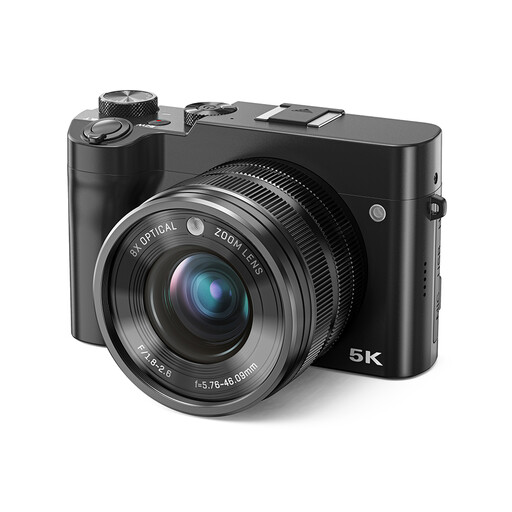
The product title lists 8X optical zoom, 5K, 64MP and a camera with two lenses.
 No image available
Could suit you if you’re looking for a digital camera with optical zoom; compare the range with the distance you’ll be photographing from.
The product title lists 5K, 56MP, 10X optical zoom and a front- and rear-facing camera.
It depends on the conditions for the specific event. MOJO says that cameras without interchangeable lenses are allowed at its concerts, but a band may still prohibit photography; its house rules for multi-day festivals exclude cameras with detachable lenses. These are the organiser’s conditions, not a general Dutch camera law.
Choose a shutter speed that suits the movement, then check the exposure. According to Canon’s guide, a wider aperture lets in more light and gives you a shallower depth of field; a faster shutter speed helps freeze the action. The right setting depends on the scene and the light.
Check the lens and what’s included in the kit, make sure you have a suitable memory card and check that the battery is sufficiently charged. Consumentenbond lists lens reach, an extra battery and an SD card as separate points to consider when buying a camera.
According to the Dutch government, when you buy at a distance you’re usually entitled to a 14-day cooling-off period, with exceptions depending on the agreement. You’re also entitled to a product that works as it should; if there’s a problem, the seller must offer a solution. Check the terms of your particular purchase.
It depends on how the photos will be used and the circumstances. The Dutch Data Protection Authority distinguishes between photos you keep private or share with a limited group, and publication to a wider audience or commercial use; in the latter cases, you may need a lawful basis under the GDPR. Also check the event conditions and obtain the necessary rights or permission where required: buying a camera doesn’t in itself give you the right to publish photos.