What should you look for?
Exposing for the sky is a deliberate choice when shooting a silhouette: Nikon explains the principle, while Canon lists spot metering and exposure compensation for the PowerShot SX70 HS.
| Concern |
What to look for when buying |
Who is this important for? |
| Silhouette exposure |
Check whether you can adjust the exposure and whether spot metering is available. |
If I want to keep the bridge dark against a bright sky, I want to be able to set the exposure for the background. Around 40% of consumers put exposure control for silhouettes first. |
| Shooting as the light fades |
Compare sensor type and maximum aperture at the focal length you’ll use; consider a stable setup for longer shutter speeds. |
If I also want to shoot at twilight, I look at the combination of sensor, lens and stability. Around 30% of consumers say shooting as the light fades is their main concern. |
| Framing from a distance |
Compare the full optical range in 35mm-equivalent millimetres, and keep digital zoom separate. |
If I can’t get closer to the bridge, I want to be able to get the right framing from where I’m standing. Around 20% of consumers are mainly looking to solve the challenge of framing a distant bridge. |
| Easy use with one lens |
Check the controls and viewfinder, as well as the photo file format the camera saves in if you want to edit your images. |
If I want to try different compositions without changing lenses, I’m looking for a camera that suits the way I work. Around 10% of consumers prioritise the convenience of a fixed-lens camera. |
Cameras at Joybuy
This selection at Joybuy includes digital cameras whose product names mention optical zoom. Compare the listed features with the field of view, exposure and conditions in your scene.
 No image available
Komery W6 digital camera, 12× optical zoom
The listed optical zoom may be useful if you want to adjust your framing.
The product name lists 12× optical zoom, 4K, WiFi and 64 MP.
View at Joybuy
 No image available
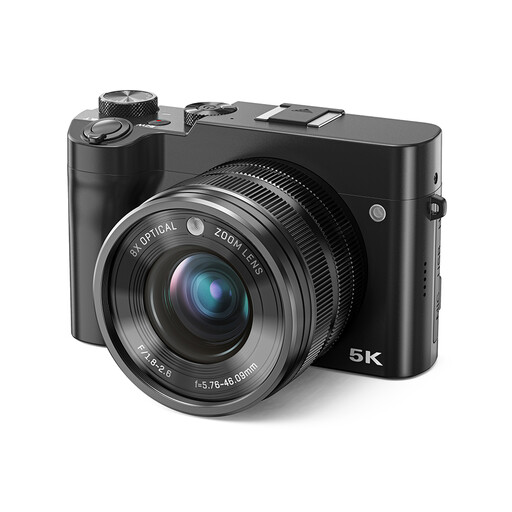
Songdian digital camera, 8× optical zoom
The product name mentions optical zoom; check whether the range suits the framing you want for the bridge.
The product name lists 8× optical zoom, 5K, 64 MP and a dual lens.
View at Joybuy
 No image available
Songdian 5K digital camera, 10× optical zoom
The stated optical zoom may matter if you want to change the framing from where you’re standing.
The product name lists 10× optical zoom, 5K, 56 MP and front and rear cameras.
View at Joybuy
Frequently asked questions
How can I keep the bridge dark without losing the sky?
Expose for the bright background and check the shot again when the light changes. A dark bridge is part of a silhouette; exposure compensation or metering a specific area can help you adjust the settings.
Do I need a tripod?
Not for every shot. When using longer shutter speeds at twilight, a stable setup can reduce camera shake. Before setting up, check that it’s safe and permitted at that particular location.
What should I check when buying a second-hand camera or shopping online?
Check the exact model name, the camera’s condition and which accessories are included. According to the Netherlands Government, many distance purchases from a professional seller come with a 14-day cooling-off period, including second-hand products; this doesn’t apply to online purchases from private individuals. You may also have statutory rights if a product is faulty, depending on the circumstances of the purchase.
Can I publish a bridge silhouette with recognisable passers-by online?
This depends, among other things, on how you use and share the photo. The Dutch Data Protection Authority considers identifiable people in photos to be personal data; the exception for purely personal use doesn’t automatically apply when sharing publicly or for business. As a general rule, you need permission to publish other people’s personal data on an organisation’s website.


