
Bridge silhouette photographers
You want to capture the shape of the entire bridge against a bright sky. A suitable wide-angle setting and control over exposure are key.


To fit an entire bridge in the frame, a wide-angle setting and adjustable exposure matter more than maximum zoom. Then weigh the camera’s carrying weight against your need for detail in low light or extra telephoto reach: each calls for different compromises, and neither alone guarantees a particular photographic result.
You want to capture the shape of the entire bridge against a bright sky. A suitable wide-angle setting and control over exposure are key.
You’re walking to a viewpoint and want to take one camera with a fixed lens rather than a bag of interchangeable lenses. Weight and framing are important considerations.
You want to retain detail as the light fades, or you’re photographing a bridge from far away. Sensor type, aperture and optical telephoto reach may then carry more weight.
First decide whether you want to frame the entire bridge as a silhouette or capture a distant detail. Then compare carrying weight and low-light photography features with the framing you have in mind.
| Consideration | What to look for when buying | Who should pay particular attention? |
|---|---|---|
| Silhouette and exposure | Check the wide-angle setting in 35mm-equivalent terms and the exposure compensation or manual exposure options. RAW may be useful if you plan to edit your images. | If I want to set the entire bridge against a bright sky, I need room for the full span and control over exposure. Around 31% of consumers prioritise silhouette control. |
| Portability | Compare the weight on a like-for-like basis, for example including the battery and memory card, and check the dimensions and screen orientation. | If I’m walking to a viewpoint, I want to know how much the camera really weighs and how I can frame a shot from my chosen position. Around 31% of consumers prioritise portability above all else. |
| Low-light detail | Look at the sensor type and maximum aperture at the focal length you’re likely to use. Specifications are no substitute for testing in your own scene. | If I want to capture details as well as the silhouette when the light fades, I take sensor type and aperture into account. Around 23% of consumers prioritise retaining detail at dusk. |
| Distant bridge details | Compare the optical range in 35mm-equivalent terms with the framing you want. Don’t treat digital magnification as optical zoom. | If I can’t get closer to a small detail on the bridge, I want to know how much optical reach the camera offers. Around 15% of consumers prioritise this reach over the other needs mentioned. |
For an entire bridge, the wide-angle setting may be the deciding factor. Optical zoom and digital zoom are also different specifications.
First decide whether you want to photograph the whole bridge or a distant detail. Then compare the optical range in 35mm-equivalent terms.
A fixed lens means you don’t have to change lenses, but it says nothing in itself about the camera’s weight or low-light performance. The models mentioned differ in sensor type, aperture and weight.
Compare the weight on a like-for-like basis, and check the sensor type and aperture at the zoom setting you want to use.
Panasonic Netherlands currently lists the DC-FZ82D as unavailable; Canon Netherlands says the PowerShot SX70 HS has been discontinued and is no longer available. The older DMC-FZ82 is not automatically the same product version as the DC-FZ82D.
For the specific offer, check the full model name, the camera’s condition, what’s included and the purchase terms.
An alternative offer may differ in accessories, condition and terms; check these details before you decide.
The DC-FZ82D is worth considering if a wide angle of view, a fixed superzoom lens and manual controls are important to you.
The PowerShot SX70 HS is worth considering if a vari-angle screen and framing shots from different angles are important to you.
The RX10 IV is worth comparing if sensor type and aperture matter more to you than maximum telephoto reach.
The COOLPIX P1100 is a good fit if your main aim is to frame a distant detail on a bridge.
The AZ425 is a fixed-zoom option to consider if JPEG and manual modes suit the way you shoot.
These are general digital cameras with optical zoom; check the wide-angle setting and exposure controls for your bridge silhouette.
 No image available
The stated optical zoom may be useful for framing; also check the wide-angle setting and exposure control options for a bridge silhouette.
The product name lists 12× optical zoom, 4K, 64MP and Wi-Fi.
 No image available
Check that the wide-angle setting and exposure controls suit capturing the entire bridge as a silhouette.
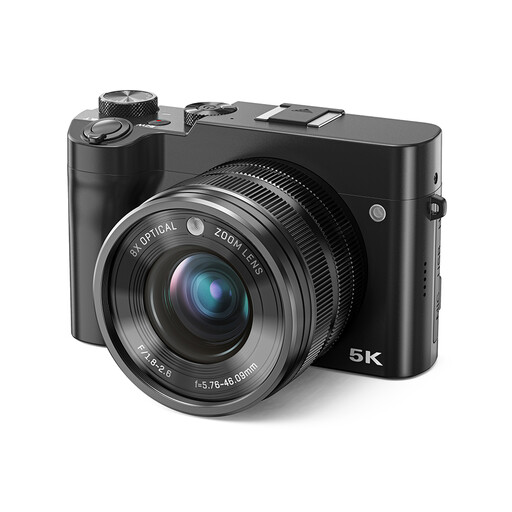
The product name lists 8× optical zoom, 5K, 64MP and dual lenses.
 No image available
For a bridge silhouette, check that the wide-angle setting and exposure controls work for the composition you want.
The product name lists 10× optical zoom, 5K, 56MP and front and rear cameras.
Frame the bridge against the bright sky and check the exposure on the screen or in the viewfinder. If the camera renders the bridge too brightly, you can adjust the exposure compensation in a suitable mode or set the exposure manually; choose the setting based on what you see in the image.
No, not always: for the shape of the entire bridge, your position and the available wide angle matter more than extreme telephoto reach. If the shutter speed becomes so slow in low light that you can’t hold the camera steady, stable support may help; assess this with your chosen framing and exposure.
Check whether the battery, charger and memory card are included with the specific offer, and whether you already have a suitable card. Also consider whether you need a spare battery or stable support for the way you plan to use the camera.
According to ACM ConsuWijzer, online product purchases generally come with a statutory cooling-off period of up to 14 days after delivery, with some exceptions. You also have statutory rights against the seller if, under normal use, a product doesn’t do what you could reasonably expect; these rights are separate from any manufacturer’s warranty.
It depends on who is recognisable in the image and what you do with the photo. The Dutch Data Protection Authority explains that recognisable people are personal data, and that the exception for strictly private use doesn’t automatically apply when sharing publicly or using an image for business. This is not a general permission or prohibition covering every photo of a bridge.