What should you look for when choosing?
A wide composition with little preparation
A good fit if: you want to frame plenty of reeds, water and sky from a single vantage point. Panasonic specifies a 20–1200 mm full-frame equivalent range, a viewfinder and touch controls for the LUMIX FZ82D.
The trade-off: these features don’t tell you how quickly you can get the camera ready to use. Panasonic lists the Dutch variants shown as unavailable; check the specific offer you’re considering.
Reach for a walk
A good fit if: you want to frame both the landscape and details further away. Canon specifies a 21–1365 mm full-frame equivalent range for the PowerShot SX70 HS, along with a viewfinder and a weight of around 610 g including battery and memory card.
The trade-off: it has a 1/2.3-type sensor, so don’t judge the camera on its zoom factor alone. An image stabilisation specification doesn’t guarantee a sharp photo of reeds moving in the wind.
Sensor size as well as zoom range
A good fit if: a 1.0-type sensor is important to you and you don’t need extreme telephoto reach. Sony specifies a 24–600 mm full-frame equivalent range for the RX10 V.
The trade-off: this range doesn’t start as wide as the FZ82D’s and ends sooner than the superzoom models. The RX10 V is a different model from the RX10 IV.
Very distant details as your main subject
A good fit if: birds or other distant details beyond the reeds matter more to you than a wide landscape composition. Nikon specifies a 24–3000 mm full-frame equivalent range and 125× optical zoom for the COOLPIX P1100.
The trade-off: Nikon lists a 1/2.3-type sensor and a weight of around 1.4 kg. Consider whether that size and weight suit a short photography stop on a walk.
For a short photography stop, first compare the angle of view and controls you need. Then check whether the telephoto reach, sensor size and weight to carry suit the way you’ll use the camera.
| What to consider |
What should you check? |
Who is this most important to? |
| Quick aiming and setup |
Check whether the viewfinder, zoom control and frequently used settings are easy to reach. Try out the controls on the exact model. |
If I can only stop briefly, I want to frame my shot straight away without searching through menus first. Around 33% of consumers prioritise quick aiming and setup above all else. |
| Wide views and changing light |
Compare the wide-angle setting in full-frame equivalent millimetres, and check the sensor size and exposure options. |
If I don’t have much room to step back, I want to frame the reeds, water and sky together and be able to adjust my settings as the light changes. Around 27% of consumers prioritise wide compositions and working with light. |
| Distant details |
Compare the optical range in millimetres, and check the sensor size, maximum aperture at the telephoto end and ease of handling. |
If I want to photograph a bird beyond the reeds, I want to know how much optical reach the camera offers. Around 20% of consumers prioritise distant details above all else. |
| Portability |
Compare weights on the same basis, for example including the battery and memory card. If possible, hold the camera yourself. |
If I want to take the camera on a walk, I want to know how heavy it is and whether it feels comfortable to hold. Around 20% of consumers prioritise portability. |
Joybuy camera options
Below are camera options from Joybuy with zoom specifications that may be useful for framing landscapes and subjects at different distances. The product titles and descriptions don’t identify every model as a bridge camera.
 No image available
Komery W6 12× optical zoom
The product description lists landscapes as one of its uses; the stated optical zoom may be useful if you want to frame subjects at different distances.
The product title lists 12× optical zoom, 4K, 64 MP and WiFi.
View at Joybuy
 No image available
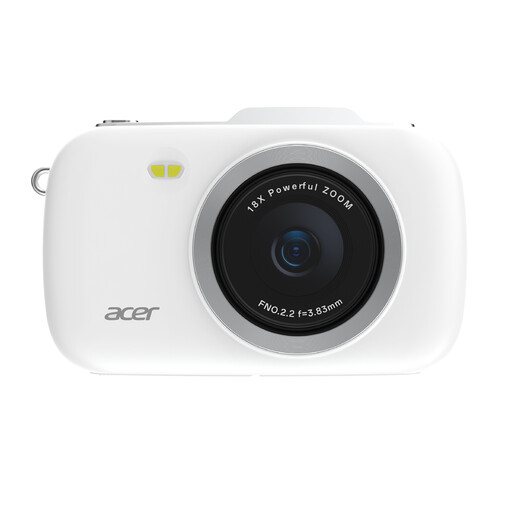
KOMERY G7-A 18× zoom, white
The product description lists landscapes, travel and wildlife as possible uses; the zoom specification may be useful if you want to frame subjects at different distances.
The product title lists 18× zoom, 4K video and 80 MP UHD.
View at Joybuy
 No image available
Songdian 8× optical zoom, white
The product description lists wildlife observation and travel as possible uses; the stated optical zoom may suit anyone who wants to frame subjects at different distances.
The product title lists 8× optical zoom, 5K, 64 MP and a dual lens.
View at Joybuy
Frequently asked questions
What should you look for if you can only stop by the reeds briefly?
First decide whether you want to capture the whole landscape or a distant detail. Then compare the wide-angle setting, viewfinder and controls on the exact model, and check whether you can reach the settings quickly. A stated zoom factor doesn’t tell you how long the camera takes to set up.
Do you need to attach a lens to a bridge camera?
The bridge camera models discussed here have a fixed zoom lens, so you don’t need to change lenses to use their stated zoom range. Before you set off, also check the battery and make sure you have a compatible memory card.
What should you do if a camera develops a fault after you buy it in the Netherlands?
If a product doesn’t perform as you could reasonably expect under normal use, the seller is responsible for providing an appropriate solution under the legal guarantee. The ACM ConsuWijzer states that there isn’t one fixed statutory guarantee period for every camera.
Can you leave the path to take a photo of the reeds?
The rules aren’t the same in every Dutch reed bed. Staatsbosbeheer advises visitors to check the rules on the signs at the entrance to its sites; also check the rules set by the relevant site manager at your chosen photography spot.
Do you have a cooling-off period when buying a camera online?
According to the ACM, consumers usually have until 14 days after a product is delivered to change their mind about an online purchase, although there are exceptions. Check the information and terms and conditions provided by the seller you’re ordering from.


