
Vandaag of morgen in huis

Kwaliteit gegarandeerd

Welkomstaanbiedingen ontgrendelen: GRATIS bezorging | Tot 80% korting | Gratis 30 dagen JoyPlus-proefperiode
Download de app
Leaking breast milk can leave your clothes damp at unexpected times: while feeding, expressing, sleeping or out and about. The right breast pads help absorb moisture and keep your bra drier. However, different types suit different situations. A disposable option for when you’re out and about offers different benefits from washable breast pads for everyday use.
When choosing, don’t focus only on claims such as “ultra-absorbent” or “breathable”. The fit, material, fastening and cleaning method can have just as much impact on how comfortable and effective a product is.
High absorbency is useful if you leak a lot, but it isn’t always necessary. Thick breast pads may be more noticeable under close-fitting clothes. For the office, a blouse or a special outfit, thin, breathable breast pads are often more practical. Check the shape and thickness, as well as whether the pad has a waterproof outer layer.
Reusable breast pads reduce waste and can be cost-effective for everyday use. However, they need to be washed regularly and dried thoroughly. Care instructions vary by product. For example, the product information for the Medela Washable Nursing Pads says to wash them at 30 °C, while other information for the same product mentions higher temperatures. If in doubt, always follow the instructions on the packaging.
A breast milk collector collects milk in a cup and isn’t the same as a breast pad. A collector can be useful if you want to catch milk from the other breast while feeding or expressing. However, a collector isn’t automatically the best choice for wearing throughout the day. Check the maximum recommended wearing time and clean the product thoroughly after use.
Choose disposable breast pads with an absorbent core and an outer layer that helps keep moisture in. According to its product description, the Medela Disposable Nursing Pads are thin, individually wrapped breast pads with a waterproof backing and a wide adhesive strip. The manufacturer claims they can absorb up to 50 times their own weight. This is a brand claim, not a guarantee that every user will have the same experience.
A thin pad may be enough for light leaking. If you express milk, leak at night or have a high milk supply, a larger or more absorbent option may be more practical. Replace a disposable pad as soon as it becomes damp.
A breast pad should sit centrally over your nipple without moving out of place. Adhesive strips can help keep it in place, particularly when you’re moving around or cycling. Check that the shape fits your breast and bra, too. A poorly fitting edge may show under clothes or allow milk to leak out at the sides.
For a discreet look, breathable breast pads with a slim profile work well under close-fitting clothes. A lace edge or an anatomical shape may affect comfort, but always check that the edge doesn’t press against your skin.
Washable pads are often made from several layers of fabric with an absorbent core. Wash them before first use if the product instructions recommend it. If the care instructions advise against it, avoid using fabric softener, as it may affect absorbency.
If you have sensitive skin, look for soft materials, a smooth inner surface and good airflow. Brands may use terms such as “antimicrobial”, “hypoallergenic” or “dermatologically tested”. Treat these as information from the product description or the brand’s own research, not as a medical guarantee. If irritation persists, stop using the product and seek advice from a healthcare professional if needed.
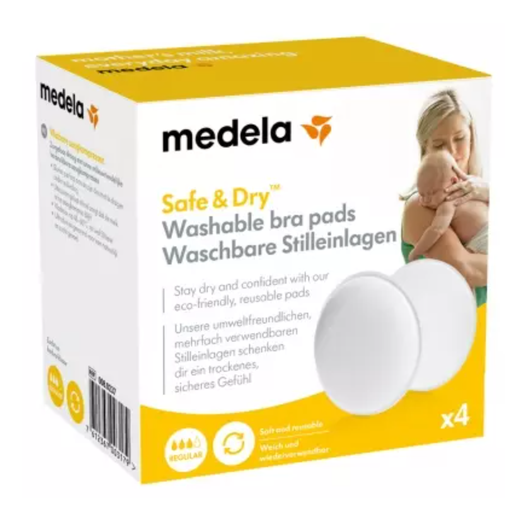
Why it suits this need: Four reusable pads are handy if you breastfeed regularly and would prefer to use fewer disposable products.
The product information describes a thin, breathable design with ultrasonic-welded seams, so there’s more to consider than just absorbency.
Reusable, with four pads per pack and, according to the product information, washable up to around 50 times.
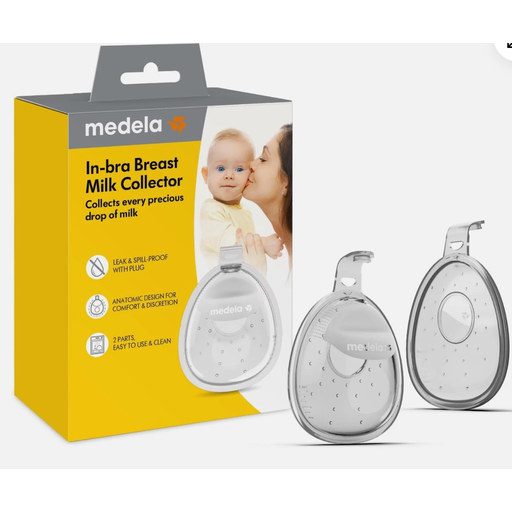
Why it suits this need: For anyone who wants to collect leaking milk while feeding or expressing, rather than simply absorb it in a pad.
It’s clearly a collector, not an absorbent pad; the product information states that each cup holds 30 ml.
Two silicone cups, a pouring spout and a flat base; according to the product information, they’re reusable and dishwasher-safe.
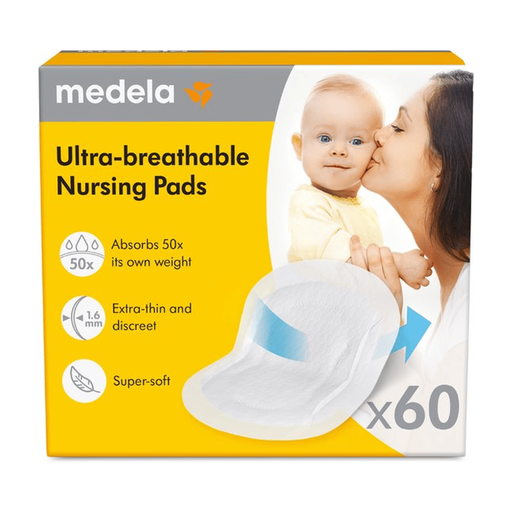
Why it suits this need: A larger pack is practical for everyday use, travelling or when you need to change pads frequently.
Individual wrapping means you can carry spare pads without leaving them unprotected; the adhesive strip is designed to help prevent them from shifting.
60 disposable breast pads with a slim profile and, according to the product description, a waterproof backing.
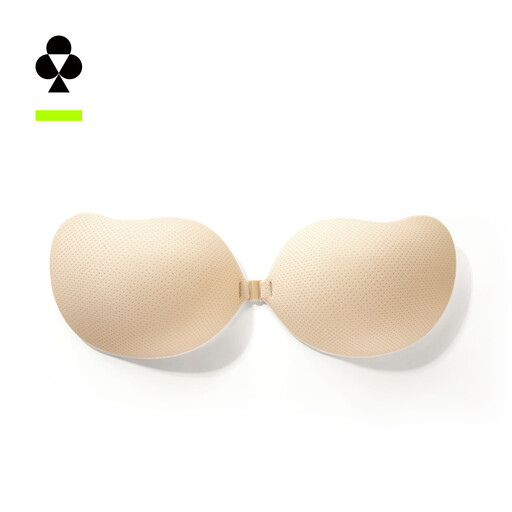
Why it suits this need: These reusable silicone bra pads are designed for outfits where straps or a regular bra may not work as well.
The B Cup sizing is a reminder to check both cup size and intended use; this product isn’t designed to collect breast milk.
According to the product description, this model has a breathable outer layer, a front fastening and an edge measuring less than 1 mm.
We’ve put together a complete, up-to-date list of products that meet these strict selection criteria and current European safety requirements.
Replace a disposable pad as soon as it becomes damp. If you’ve leaked a lot of milk, it’s also a good idea to change it after a feeding session. Washable pads should be washed after use according to the care label. If you leak a lot, take several pairs with you.
It depends on how often you use them, how many times you wash them and how much they cost to buy. If you use breast pads every day, reusable options may mean you need fewer disposable pads. Disposable breast pads are especially handy for travelling, visiting friends or family, and times when you can’t wash them straight away.
Always check the product instructions. For the Medela In-Bra Milk Collector, the product information states a maximum wearing time of three hours per session and advises against wearing it while sleeping. A collector is designed to catch milk, not to replace an absorbent breast pad.
