
Vandaag of morgen in huis

Kwaliteit gegarandeerd

Welkomstaanbiedingen ontgrendelen: GRATIS bezorging | Tot 80% korting | Gratis 30 dagen JoyPlus-proefperiode
Download de app
When you're pumping, every drop of breast milk is precious. The last thing you want is for your carefully expressed milk to be lost to a leaky bag or become unsafe due to improper materials. The market for breast milk storage bags is vast, and many products make lofty promises. However, there are a few common pitfalls that mothers often encounter, leading to frustration and waste.
Before you make a choice, it's important to know what to look for. Here are the most common problems:
A good storage bag protects your milk and makes the process of storing and feeding simpler, not more complicated.
To avoid the pitfalls, there are a few objective specifications that make all the difference. By paying attention to these, you can make an informed choice for safely storing your expressed milk.
The reliability of a storage bag depends on its seal. A double-zip seal offers significantly more security against leaks than a single seal. This is especially important when freezing breast milk, as the liquid expands. Look for bags with reinforced side seams and a double seal. This ensures the bags can be stored both standing up and lying flat in the freezer, which helps in efficiently building a breast milk stash.
For storing breast milk, BPA-free milk bags are the standard. BPA (Bisphenol A) is a chemical used in some types of plastic that you want to avoid. Additionally, it is a major advantage if the bags are pre-sterilised. This means they are hygienic and ready to use straight out of the packaging, which minimises the risk of bacterial contamination.
Practical details make a huge difference in the daily use of breast milk storage bags. Look for the following features:
Based on these objective criteria, we have selected a number of products that suit different needs and situations.
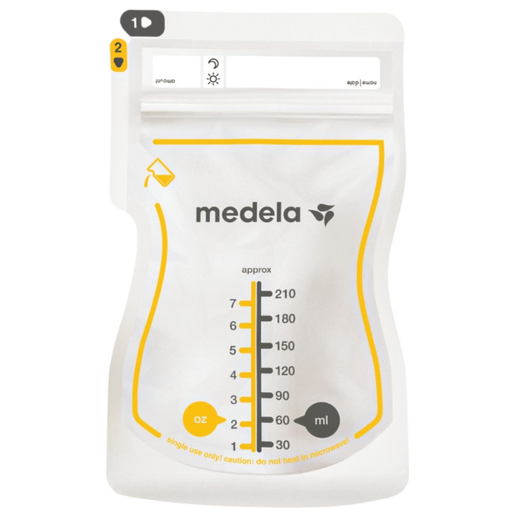
Why This Fits Their Persona: Ideal for mothers who are new to pumping or want to build a small, reliable supply. With 25 bags, you can experience the quality of a reputable brand without committing to a large quantity.
The double-zip seal and dual-layer material are specifically designed for freezing breast milk, which minimises the risk of leaks. The separate pour spout prevents spills and contamination.
Pre-sterilised for immediate use and made from BPA-free material. The flat design saves space in the freezer.
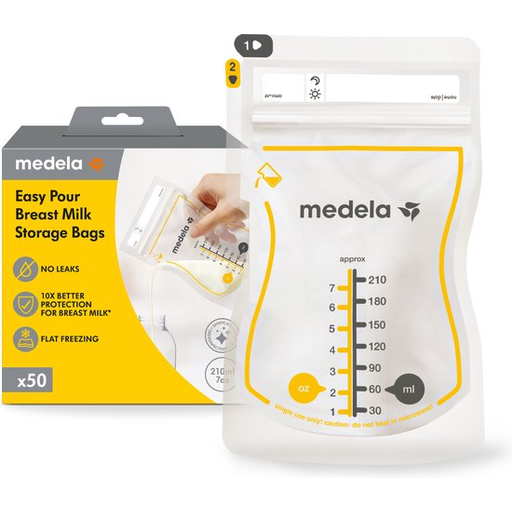
Why This Fits Their Persona: Perfect for mothers who pump regularly and are building a serious supply of breast milk. The 50-count pack is more cost-effective and ensures you have plenty on hand.
The large 210 ml capacity is practical for bigger portions. The flat, leak-proof design allows the bags to be frozen lying down, which optimises freezer space and avoids the "impractical storage" pitfall.
According to Medela, the high oxygen barrier ensures that nutrients are well-preserved. The double-zip seal provides security for transport and storage.

Why This Fits Their Persona: A very affordable option for general freezer use. Suitable for mothers who want to freeze portions of fruit purees or vegetables in addition to milk and are looking for a multifunctional solution.
Although not specifically for breast milk, the zip seal provides a decent closure. Note: these bags are not pre-sterilised and do not have a pour spout, which requires extra attention to hygiene when filling and pouring.
Very economical and versatile for various foods and household storage. The material is food-safe.
We have compiled a complete, up-to-date list of products that meet these strict selection criteria and safety regulations.
The storage times for breast milk depend on the temperature. The general guidelines are as follows:
Always write the date on the bag before placing it in the refrigerator or freezer.
No, it is strongly advised not to reuse breast milk storage bags. The bags are designed for single use. Reusing them increases the risk of bacterial contamination, as it is difficult to clean and sterilise them thoroughly. Furthermore, the material can weaken, which increases the risk of tears and leaks.
The safest way to thaw frozen breast milk is to place the bag in the refrigerator overnight. If you need the milk sooner, you can hold the bag under a stream of lukewarm water (maximum 37°C / 99°F). Never use a microwave to thaw or heat breast milk. A microwave heats unevenly, which can create hot spots that are dangerous for your baby. Moreover, the heat can break down important nutrients in the milk.
