Which product type is right for you?
The type you use regularly matters just as much as the pack size: loose flakes need different preparation from quick-mix porridge or crunchy breakfast cereal.
Households looking for a simple cupboard staple
If you often eat breakfast at home and choose what to add to your bowl, you can compare plain wholegrain oats by ingredients, portions and storage instructions. If you need to avoid certain grains, check the allergen information on the exact pack too.
Shoppers planning breakfast with diabetes in mind
A product name or claim on the front of the pack does not tell you whether a portion fits your diet. Diabetes Fonds recommends wholegrain choices when choosing breakfast cereal; also check the carbohydrates, sugars and fibre on the label, and follow your personal dietary advice.
People who want a quick breakfast
Quick-mix porridge or crunchy breakfast cereal may suit your mornings better than flakes that need cooking. Consider convenience and nutritional composition separately: choosing a different product type means checking the ingredients and portion size again.
What should you check before buying?
Start with the ingredients and nutritional values per 100 g to compare products. Then consider how much you actually eat. A large pack, a claim about no added sugars and a high fibre content each answer a different question.
| What to consider |
What to check when buying |
Who it matters to |
| Wholegrains and fibre |
Read the ingredients and compare fibre per 100 g. Check which grains the product contains. |
If I want a simple wholegrain base, I look beyond a fibre claim and choose grains that suit my diet. Around 39% of consumers put this first. |
| Sugars and carbohydrates |
Compare sugars and carbohydrates per 100 g and for your own portion; if the product claims to have no added sugars, check the ingredients too. |
When I’m keeping an eye on the carbohydrates in my breakfast, I want to know what’s in my portion, even if no sugars have been added. This is the main concern for around 38% of consumers. |
| Pack size and preparation |
Compare the net weight, stated number of portions and storage instructions. Check how much preparation the product type requires. |
If I don’t eat this cereal often, I don’t want a large pack that stays open for a long time; on busy mornings, preparation time matters too. This is the most important factor for around 23% of consumers. |
Brands as a point of comparison
Even within one brand, plain flakes, wheat porridge and crunchy cereal can vary considerably. The values listed below apply to the specific varieties shown, not to every product from that brand.
Quaker
Quaker is relevant here for both plain oats and crunchy Cruesli varieties. The Quaker Oatmeal value pack reviewed here contains 600 g and states that it provides 15 portions.
- For this plain oatmeal, Quaker lists 100% wholegrain oats, 9 g of fibre and 60 g of carbohydrates per 100 g.
- Cruesli has a different composition from plain oats, so compare the exact variety and your portion.
Albert Heijn
The AH Wholegrain Fine Oat Flakes reviewed here come in a 500 g pack, offering another plain oat option to compare with larger packs.
- Albert Heijn lists one ingredient, 10 g of fibre and 0 g of added sugars per 100 g for this variety.
- Albert Heijn notes that product information may change. Check the current pack before use, especially for ingredients and allergens.
Brinta
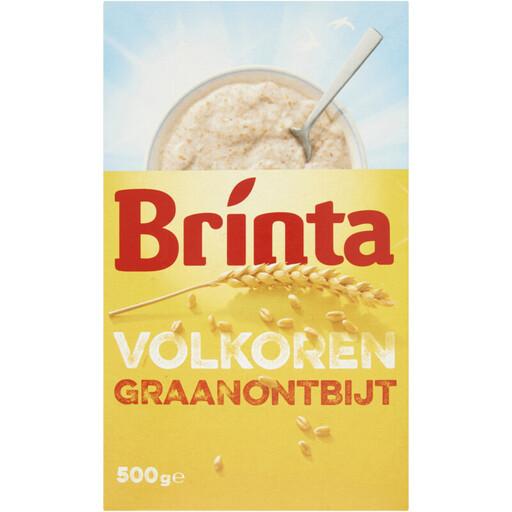
Brinta Wholegrain cereal breakfast is a hot porridge made with wholemeal wheat flour, not plain oats. The pack reviewed here contains 500 g.
- Albert Heijn lists 10 g of fibre, 64 g of carbohydrates and 4.6 g of sugars per 100 g for this variety.
- The product contains wheat. If you’re comparing it with oats, check the other nutritional values and ingredients too.
Kellogg's
In this comparison, Kellogg's All-Bran Fibre Plus is an example of a wheat bran-based breakfast cereal, rather than plain oat flakes.
- Kellogg's lists 27 g of fibre per 100 g for All-Bran Fibre Plus.
- The same nutritional information lists 18 g of sugars and 0.9 g of salt per 100 g, so consider the fibre content alongside the rest of the label.
Breakfast cereal on Joybuy
These products show three types that address the same shopping question: plain oats for a breakfast you can customise, wholegrain wheat porridge for a hot breakfast, and crunchy Cruesli for those who like that texture. For each type, compare the label with your own portion; you can’t compare the packs by weight alone.
 No image available
Quaker Oatmeal 600 g
For anyone who wants to put together a breakfast using plain oats. This pack contains 600 g and states that it provides 15 portions; according to the product information, the oatmeal is made from 100% wholegrain oats.
Per 100 g, the product information lists 9 g of fibre, 60 g of carbohydrates and 1.1 g of sugars. Check your own portion and the latest allergen information; wheat and barley may be present.
View on Joybuy
 No image available
Brinta Wholegrain cereal breakfast 500 g
For anyone who prefers hot wholegrain wheat porridge to loose oat flakes. The pack contains 500 g; the product information reviewed lists wholemeal wheat flour and salt as ingredients.
Albert Heijn lists 10 g of fibre, 64 g of carbohydrates and 4.6 g of sugars per 100 g for this variety. The product contains wheat, so check the latest allergen information if you avoid certain grains.
View on Joybuy
 No image available
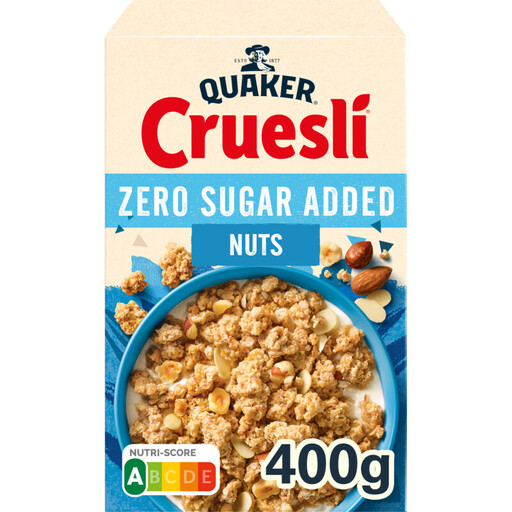
Quaker Cruesli Nuts Zero Sugar 400 g
For anyone who prefers crunchy nutty Cruesli to plain oats. This pack contains 400 g; the product name alone doesn’t tell you how many carbohydrates are in your portion.
Read the nutritional information and ingredients for the exact variety. If you have an allergy, also check the latest information about grains, nuts and possible traces.
View on Joybuy
 No image available
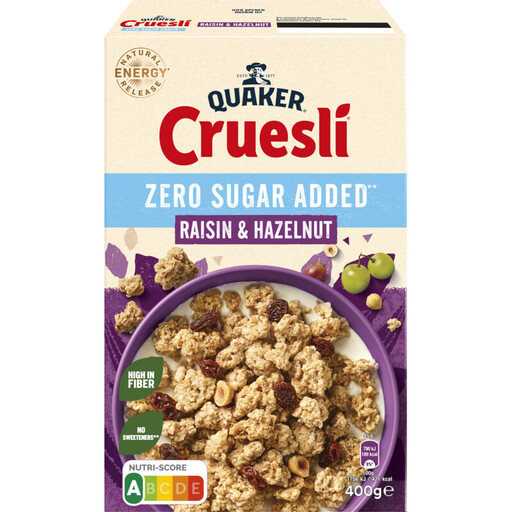
Quaker Zs Cruesli Raisin & Hazelnut 400 g
For anyone looking for a crunchy Cruesli variety with raisins and hazelnuts. The pack contains 400 g; compare this variety separately from the Cruesli Nuts pack.
Compare the sugar and carbohydrate values with the amount you eat. If you have an allergy, read the latest ingredients and allergen information.
View on Joybuy
Frequently asked questions
Is breakfast cereal with no added sugars automatically suitable if you have diabetes?
No. That claim doesn’t mean the product contains no carbohydrates or naturally occurring sugars. Compare the nutritional information with your own portion; whether a breakfast fits your personal diet doesn’t depend on one claim alone.
Which details should I compare on breakfast cereal labels?
Start with the ingredients and the amounts of fibre, carbohydrates, sugars and salt per 100 g, then consider how much you eat. Diabetes Fonds lists wholegrain breakfast cereals, including oatmeal and muesli, as options to consider. If you have an allergy, also check the allergen information for the exact variety.
What should I consider when storing a large pack after opening?
Choose a pack you can finish as part of your usual breakfast routine and follow the storage instructions on the packaging. Keep oats tightly sealed in a cool, dry, dark place and check the product’s use-by or best-before information.
Are Quaker Oatmeal and Brinta suitable if I avoid wheat or gluten?
Don’t assume they are without checking the label. The Quaker Oatmeal reviewed here may contain wheat and barley; Brinta Wholegrain cereal breakfast contains wheat. If you have coeliac disease, an allergy or a prescribed diet, always check the current packaging for the specific product.


