
Vandaag of morgen in huis

Kwaliteit gegarandeerd

Welkomstaanbiedingen ontgrendelen: GRATIS bezorging | Tot 80% korting | Gratis 30 dagen JoyPlus-proefperiode
Download de app
Buying breakfast products online seems straightforward, but packaging often highlights terms such as “no added sugar”, “high in protein” or “wholegrain”. These claims only tell you so much, so check the ingredients list, nutritional information and allergen details too. This guide will help you compare breakfast cereals, porridge oats, muesli, granola, cornflakes and bread products.
A product may contain no added sugar and still be relatively high in energy, fat or naturally occurring sugars. Always check the nutritional information per 100 grams to compare different products fairly.
Sugar is often high up the ingredients list for sweetened cornflakes and chocolate cereals. According to the product information, Kellogg’s Frosties contains 37 grams of sugar per 100 grams, while Kellogg’s Coco Pops contains 17 grams per 100 grams. That doesn’t make these products unsuitable, but they’re more likely to appeal to people looking for taste and familiarity than those after a high-fibre breakfast every day.
Compare the price per 100 grams and check the number of servings. A 600-gram pack of porridge oats may be more practical for a household than several small bags. Individual portion packs, on the other hand, may help reduce waste when you’re short on time.
Also check the best-before date and storage instructions. Keep dry breakfast products in a cool, dry place, seal the pack tightly and don’t use any packaging that’s damaged.
Don’t just check the front of the pack. Oats, for example, may be sold as gluten-free, but the product information should clearly state which allergens are present or may be present. Leev Dutch Oatmeal is labelled “gluten-free organic porridge oats”, while its allergen information also mentions gluten. If in doubt, follow the information on the current packaging or contact the manufacturer.
Also look out for peanuts, nuts, milk, soya, egg, sesame and cereals containing gluten. This is especially important when choosing breakfast products for children or for a household where someone has allergies.
For a wholegrain breakfast, check whether a wholegrain cereal is high up the ingredients list. According to the product information, Brinta Whole Wheat Cereal is made from wholemeal wheat flour and salt. It contains 10 grams of fibre and 14 grams of protein per 100 grams.
According to the label, Wasa Sourdough Rye Crackers has wholemeal rye flour as its main ingredient and provides 19 grams of fibre per 100 grams. It could work well as a savoury breakfast, but bear in mind that it contains 1.2 grams of salt per 100 grams.
Compare at least these values:
A product that’s high in protein or fibre won’t automatically suit every situation. Check the serving size and ingredients, and think about what else is in your breakfast.
Porridge oats and hot cereals are a good choice if you have a few minutes at home to prepare breakfast. Quaker Oatmeal comes in 375- and 600-gram packs and, according to the product information, contains 100% wholegrain oats. For a quick breakfast, crispbread, breakfast bread or an individually packed product may be more practical.
Check the preparation instructions and allergen information for instant products. MAMA Instant Porridge Seafood Cup is made with boiling water, but contains crustaceans, fish, milk, soya, wheat, barley and celery, among other ingredients. It’s a more specialised option, rather than a standard breakfast product for every household.
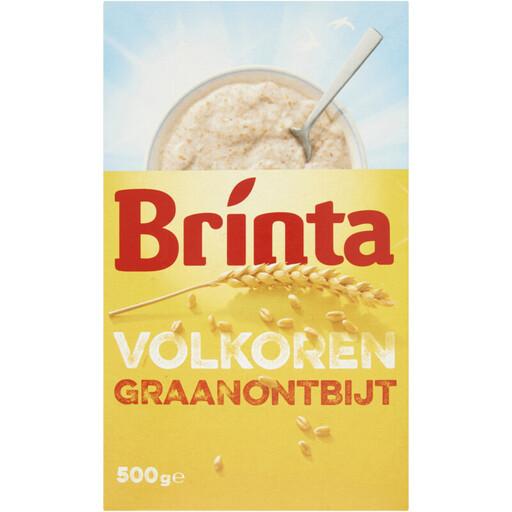
Why it suits this profile: Its simple ingredients and 500-gram pack make it an easy-to-understand choice if you want to put together a hot breakfast without comparing a long list of ingredients.
According to the product information, the ingredients are wholemeal wheat flour and salt. It’s easy to see what you’re buying, without a long list of flavourings or fillers.
According to the product information, it contains 10 grams of fibre and 14 grams of protein per 100 grams; prepare it with water or milk.
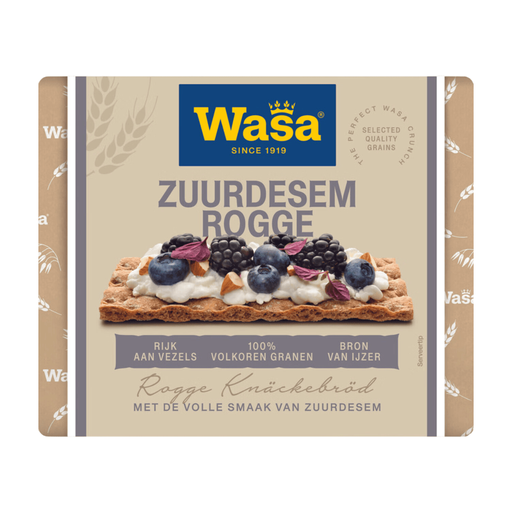
Why it suits this profile: This crispbread is a good fit for shoppers who look for wholegrain ingredients and a satisfying texture, and want something they can enjoy for breakfast or lunch.
The product information states that it’s made with 100% wholegrain rye and contains 19 grams of fibre per 100 grams. So you don’t have to rely on the claims on the front of the pack alone.
19 grams of fibre and 10 grams of protein per 100 grams; sourdough rye crackers with a long shelf life when stored correctly.
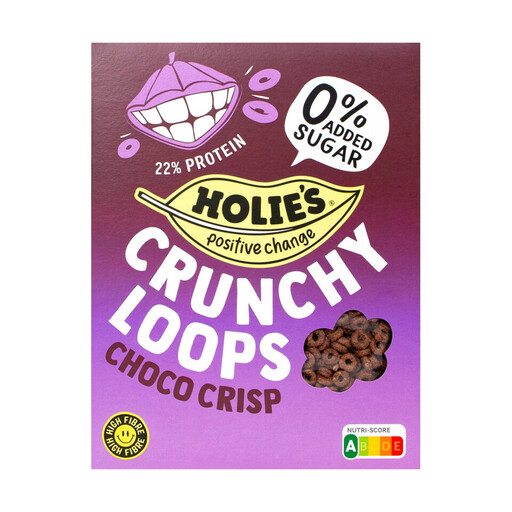
Why it suits this profile: An option for anyone looking for a crunchy breakfast with more protein and fibre, and who makes a point of checking the ingredients list.
The claims about protein and added sugar can be checked against the product information: it contains 22 grams of protein, 26 grams of fibre and 4.7 grams of sugar per 100 grams. It does contain peanuts and may contain traces of several other nuts.
22 grams of protein and 26 grams of fibre per 100 grams; wholemeal wheat flour and peanut flour are listed as the main ingredients.
We’ve put together a full, up-to-date list of products that meet these strict selection criteria and comply with current European safety regulations.
Crispbread, breakfast bread, ready-to-eat porridge and instant products take little preparation. Check the serving size, sugar, salt and allergen information too. A quick option isn’t automatically a nutritious one; try pairing it with fruit, yoghurt or another topping that suits your diet.
No. Porridge oats are usually made from oats and can be eaten hot or cold. Breakfast cereals are a broader category that includes cornflakes, muesli, granola and filled chocolate cereals. Nutritional values vary widely between products, particularly for sugar, fat, fibre and protein.
Follow the best-before date on the pack and store the product in a cool, dry place in a tightly sealed container or pack. Once opened, crunchy products can go soft more quickly. Check the packaging, allergen information and current ingredients list whenever you buy a product, as recipes can change.
