
Vandaag of morgen in huis

Kwaliteit gegarandeerd

Welkomstaanbiedingen ontgrendelen: GRATIS bezorging | Tot 80% korting | Gratis 30 dagen JoyPlus-proefperiode
Download de app
Choosing the right breakfast product can feel like navigating a maze. Packaging screams for attention with claims like "healthy," "high in fibre," or "no added sugar." But what do these terms really mean? Many people unwittingly fall for marketing ploys, ending up with a product that doesn't align with their goals.
Before you order your breakfast foods online, it's crucial to understand the most common pitfalls:
By being mindful of these points, you can avoid a bad purchase and choose breakfast products that truly suit your needs.
To see through the marketing hype, it's best to focus on the facts: the nutrition label and the ingredients list. Here are the key things to watch for.
Don't just look for "added sugars"; check the "of which sugars" line per 100 grams. This figure includes all sugars, even those from fruit or milk. A product sold as sugar-free granola can still contain a lot of sugar from ingredients like dates or raisins. As a rule of thumb: anything under 5 grams of sugar per 100 grams is low. Between 5 and 15 grams is moderate, and over 15 grams is on the high side for a daily breakfast.
Protein and fibre promote a feeling of satiety, keeping you full longer and reducing cravings. For a truly high-protein breakfast, look for products with at least 15 grams of protein per 100 grams. For fibre, more than 10 grams per 100 grams is a good benchmark. Ingredients like whole-grain oatmeal, nuts, and seeds contribute significantly to this.
Ingredients are listed in descending order by weight. If sugar, syrup, or other sweeteners appear at the top of the list, you know they are the main components. Opt for breakfast cereals where whole grains, such as oats or spelt, are listed first. If an organic breakfast is important to you, look for the EU organic logo (the green leaf).
Based on these objective criteria, we've selected a few products that cater to different needs.
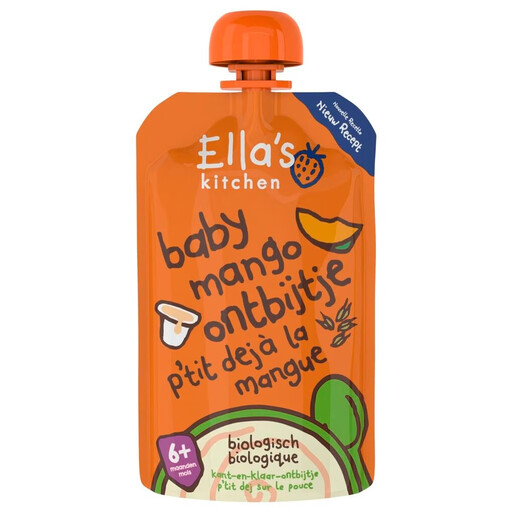
Why This Fits Their Persona: Ideal for a quick and nutritious start for the little ones. The squeeze pouch is convenient for busy mornings or on-the-go, ensuring a mess-free experience. A practical choice for a baby breakfast from 6 months.
This product contains no added sugars; the sweetness comes purely from the organic mango. The ingredients list is short and clear, with no unnecessary additives.
100% organic breakfast. Convenient, resealable packaging. Suitable from 6 months.
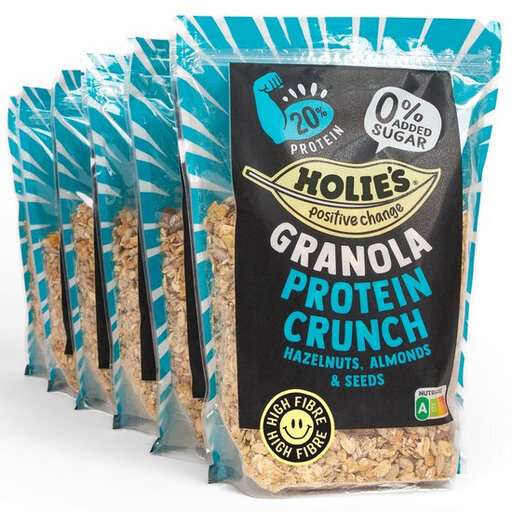
Why This Fits Their Persona: For those seeking a recovery meal after a morning workout. This granola delivers a serious amount of protein to support muscle repair, without unnecessary sugars.
This product bypasses the 'protein illusion' by delivering a substantial 20 grams of protein per 100 grams. It contains no added sugars, which is exceptional for a high-protein breakfast.
Very high in protein (20%) and fibre (15%). Made with whole grains, seeds, and nuts.
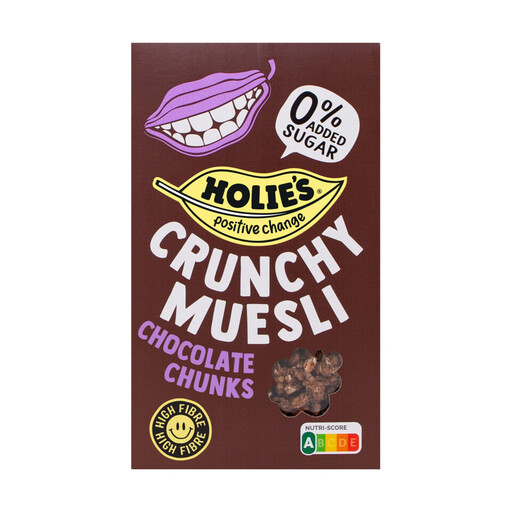
Why This Fits Their Persona: For those who love the crunchy texture of cruesli and the taste of chocolate but want to avoid the sugar crash. This is a choice that combines great taste with responsible nutrition.
This product tackles the 'healthy sugar bomb' trap. It offers a rich chocolate flavour with only 2.1 grams of sugar per 100 grams, making it a form of granola with no added sugar.
Very low in sugar and extremely high in fibre (22%). Made with whole grains and real cocoa chunks.
Sometimes a quick bar is the most convenient solution for when you're on the go. We've compiled a list of products that meet our strict selection criteria.
Although the terms are often used interchangeably, there are clear differences.
For a 6-month-old baby's breakfast, it's important to choose products without added sugars or salt. Pure, organic ingredients are an excellent choice. Products based on finely milled grains (like oatmeal) and fruit purées are suitable for this age. Always check the recommended age on the packaging and introduce new foods one at a time.
No, not necessarily. "No added sugar" means the manufacturer has not added any sugar, syrup, or other sweeteners. However, the product can still contain sugars that are naturally present in the ingredients, such as lactose (from milk) or fructose (from fruit). Therefore, always check the "of which sugars" value on the nutrition label to see the total sugar content.
