What should you look for when choosing?
First, work out how much breakfast cereal your household gets through. Then compare the ingredients in the types of product you’d like to eat. If you have dietary requirements or allergies, check the specific pack.
| What to consider |
What to check |
Who it matters to |
| Pack size and how much you use |
Compare the net weight with how many flakes your household actually eats, and follow the storage instructions on the pack. |
If we mainly eat breakfast together on Sundays, we don’t want a large pack that stays open for a long time. Around 42% of consumers put choosing a pack that suits how much they use first. |
| Ingredients |
Check the ingredients and compare fibre, sugars and salt per 100 g; look for the wholegrain content if it’s listed. |
I want a crunchy breakfast, but I also want to see how the cereal products differ in their ingredients. Around 33% of consumers give this comparison top priority. |
| Allergens and gluten |
Read the current ingredients and allergen information; if you need to eat gluten-free, check for an explicit gluten-free label. |
If someone at home needs to avoid certain grains, make sure the pack you choose is suitable. Suitable ingredients come first for around 25% of consumers. |
Products for two breakfast preferences
These products showcase two different options for Sunday breakfast: crunchy cornflakes and a wholegrain cereal breakfast that you prepare warm. Decide how you’d like to prepare your breakfast before comparing pack sizes.
 No image available
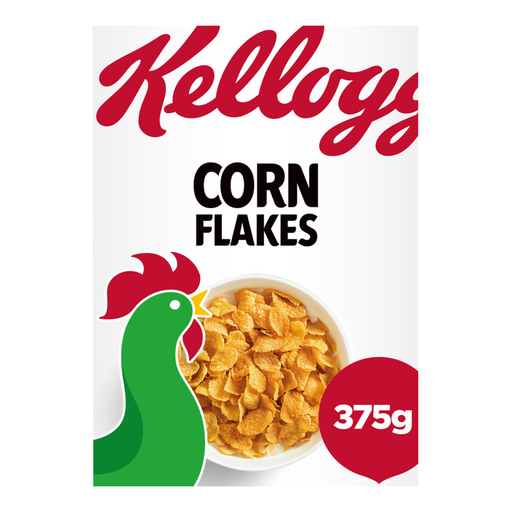
Kellogg's Corn Flakes 375 g
For anyone who wants crunchy cornflakes at Sunday breakfast. For Corn Flakes, Kellogg's lists 3,0 g of fibre, 8,0 g of sugars and 1,1 g of salt per 100 g. The ingredients include barley malt extract; if you have dietary requirements or allergies, check the current packaging.
View at Joybuy
 No image available
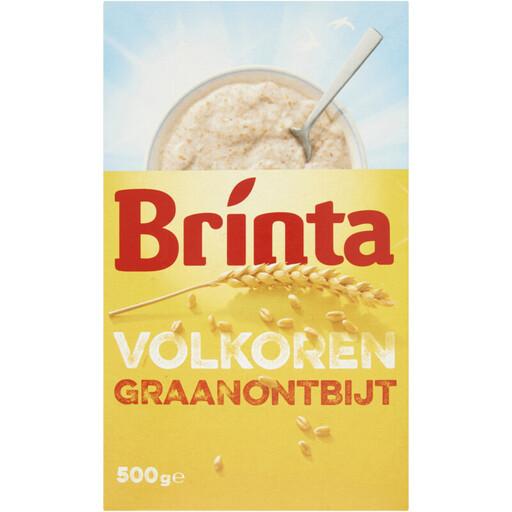
Brinta Wholegrain Cereal Breakfast 500 g
For anyone who’d rather make a warm cereal breakfast than eat crunchy cornflakes. This product is made with wholegrain wheat; Albert Heijn’s product information lists 10 g of fibre per 100 g. It contains wheat and isn’t a substitute if you’re looking specifically for the texture of cornflakes.
View at Joybuy
Frequently asked questions
Is a large pack of flakes suitable for a weekly Sunday breakfast?
It depends on how much your household eats at each breakfast and whether you’ll use the pack between Sundays. Choose a size that suits how much you get through, and follow the storage instructions on the packaging.
Which nutritional information is useful when comparing flakes?
Compare the ingredients and the fibre, sugars and salt per 100 g. Also check whether the wholegrain content is listed. Bear in mind that cornflakes, wholegrain flakes and warm cereal breakfasts are different types of product.
Are regular cornflakes automatically gluten-free?
No, the name ‘cornflakes’ doesn’t guarantee that. Kellogg's lists barley malt extract in Corn Flakes; if you follow a gluten-free diet, check the current ingredients and look for an explicit gluten-free label on the specific pack.
Should I check the ingredients and allergens on the pack too?
Yes. Before use, check the current packaging if ingredients or allergens are important to your choice. Online product information is useful when planning what to buy, but the details on the pack may differ.
How should I store a bulk pack of breakfast flakes?
Follow the instructions on the packaging and check the best-before date. Kellogg's recommends storing Corn Flakes in a dry place; Jumbo says to store Special Flakes in a cool, dark place.


