
Vandaag of morgen in huis

Kwaliteit gegarandeerd

Welkomstaanbiedingen ontgrendelen: GRATIS bezorging | Tot 80% korting | Gratis 30 dagen JoyPlus-proefperiode
Download de app
A box of breakfast cereal may seem easy to choose, but the packaging does not always tell the whole story. A prominent term such as “high in fibre”, “natural” or “with grains”, for example, says little about the amount of sugar, protein or wholegrain ingredients per serving. A large pack may also be less practical than several small sachets if you often have breakfast on the go.
As a Joybuy Product Recommendation Officer, I filter product information based on verifiable details. This helps you avoid choosing solely on the basis of flavour, packaging or a health claim.
Muesli containing dried fruit naturally contains sugar. A product can therefore contain 0 grams of added sugar and still have a higher sugar content per 100 grams. Always check both of the following:
For breakfast cereals with no added sugar, it is also useful to check where the sweet flavour comes from. Dried raisins, dates or fruit powder can increase the sugar content.
Marketing copy may draw attention to fibre, but the nutrition table provides the verifiable answer. Always compare products per 100 grams, rather than by the bowl alone. A 30-gram serving may seem small, while in practice you might add 50 to 70 grams to yoghurt.
As a guide, compare products based on:
Porridge oats and rolled oats often have a short ingredients list. With muesli, granola and instant porridge mixes, the list is generally longer. This makes comparing products even more important.
Breakfast cereals often contain gluten, oats, wheat, barley, rye, soya, milk, nuts or sesame. “Organic porridge oats” does not automatically mean gluten-free or free from cross-contamination. Check the allergen information on the product page as well as on the packaging.
Also pay attention to the country of origin. A product made in China can still be sold through a Dutch responsible party, but the preparation method, serving size and labelling may differ from what you are used to.
Start by looking at the first ingredients. If wholegrain oats or rolled oats appear first, they make up an important part of the product. For a mix containing nuts, seeds and fruit, it is useful to check the percentages.
For comparison:
These figures are product specifications, not a guarantee of a particular effect or level of satiety for every user.
Granola and crunchy muesli often contain oil, syrup, chocolate or dried fruit. As a result, their energy value may be higher than that of ordinary porridge oats. According to the product information, Quaker Cruesli Chocolate contains 16 grams of sugar and 0.48 grams of salt per 100 grams. Kellogg’s Trésor Milk Chocolate lists 25 grams of sugar and 0.96 grams of salt per 100 grams.
This does not automatically make these products unsuitable. They are particularly suitable when flavour and crunch are more important to you than a short ingredients list. However, do compare the values with your usual serving size.
For a hot breakfast, ordinary porridge oats and rolled oats are suitable for cooking or soaking. Instant varieties are quicker, but check whether they are intended for hot water, microwave preparation or mixing directly with milk or yoghurt.
Small sachets are convenient for breakfast on the go and help with portion control. A large pack is often more practical for everyday use at home. Once opened, make sure the packaging is properly sealed and store breakfast cereals in a cool, dry place away from direct sunlight.
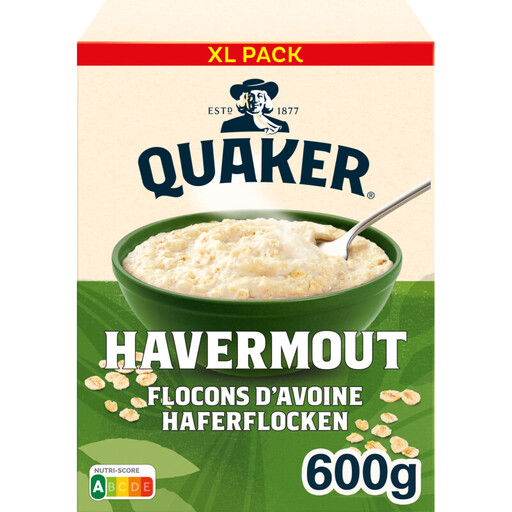
Why this suits the profile: The ingredients list consists of 100% wholegrain oats. This makes it a straightforward choice for anyone who wants to try ordinary porridge without fruit, chocolate or flavourings.
The short ingredients list makes it easy to check for added sugar and unnecessary flavouring ingredients.
600 grams of product; 9 grams of fibre, 11 grams of protein and 1.1 grams of sugar per 100 grams according to the label.
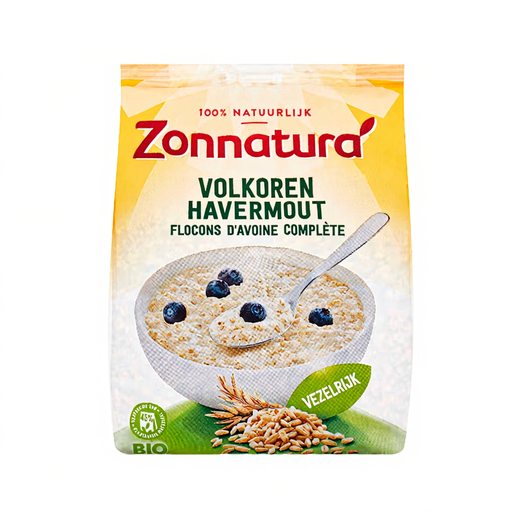
Why this suits the profile: This organic porridge is designed for anyone looking for a certified organic option and a simple base for a wholegrain breakfast.
The product information lists fine wholegrain oat flakes as an ingredient and states the organic certification on the packaging.
11 grams of fibre and 11 grams of protein per 100 grams; ingredients of organic origin according to the product description.
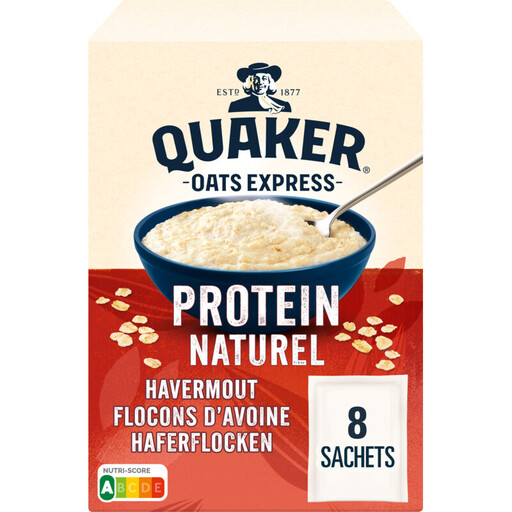
Why this suits the profile: Athletes and busy users get an instant option that, according to the product information, is ready in around two minutes.
The nutritional information explicitly lists 22 grams of protein per 100 grams and 1.2 grams of sugar, so you do not have to rely solely on the front of the pack.
Individual serving pack, quick preparation, 7.2 grams of fibre and 22 grams of protein per 100 grams according to the label.
We have put together a complete, up-to-date list of products that fully meet these strict selection criteria and the applicable European safety regulations.
A commonly used amount is around 40 to 50 grams of dry porridge oats, topped up with milk, yoghurt, water, fruit or nuts. Check the serving size on the label and adjust it to suit your mealtime. For children, older people or breakfast on the go, a smaller individually packed serving may be more convenient.
Always follow the date and storage instructions on the packaging. Store muesli, granola and rolled oats in an airtight container in a cool, dry place. Moisture can cause crunchy products to lose their texture. Check the packaging for damage and do not use the product if the contents smell or look unusual.
Instant porridge is particularly convenient when preparation time matters. However, compare the ingredients, sugar, salt, fibre and protein with ordinary porridge oats. Some instant varieties contain milk powder, creamer, sugar or several cereal mixes. “Ready instantly” therefore mainly says something about convenience, not necessarily about nutritional value.
