
Vandaag of morgen in huis

Kwaliteit gegarandeerd

Welkomstaanbiedingen ontgrendelen: GRATIS bezorging | Tot 80% korting | Gratis 30 dagen JoyPlus-proefperiode
Download de app
A box of breakfast cereal may seem simple to choose, but the differences often lie in the ingredients list, serving size and preparation method. An eye-catching front with words such as “natural”, “high in fibre” or “no added sugar” does not tell the whole story. A large pack is not automatically better value either if you use the product less often than expected.
For families, mindful eaters and people who want a quick breakfast, these three pitfalls are particularly relevant:
Ingredients are listed in descending order of weight under the usual labelling rules. If oats, wholewheat or another type of grain appears first, that ingredient makes up a significant proportion of the product. With a nut and fruit mix, it is also useful to check the percentages of nuts and dried fruit.
A muesli containing 22% dried grapes and smaller amounts of apricot, hazelnut and almond has a different composition from a product in which sugar, syrup or a coating appears first. Granola may also contain a higher proportion of oil and sweetening ingredients than ordinary muesli.
Compare breakfast cereals per 100 grams first. This prevents a small recommended serving from creating a more favourable impression. Pay particular attention to:
A product listing may show a nutritional value of “0 grams of sugar” even though a separate glucose sachet is included. In this case, read the table for both components separately.
For porridge on the go, individual sachets are practical. Check how much water is needed and whether you need boiling water, a microwave or a saucepan. Instant oat flakes are quick to prepare, but an individual sachet may create more packaging waste per serving than a large pack of porridge oats.
Also check the allergens. Oats are not automatically gluten-free. Products may also contain wheat, rye, barley, soya, milk, peanuts, almonds, hazelnuts or sesame. For products intended for young children, the age indication is important. Always follow the preparation and storage instructions on the current packaging.
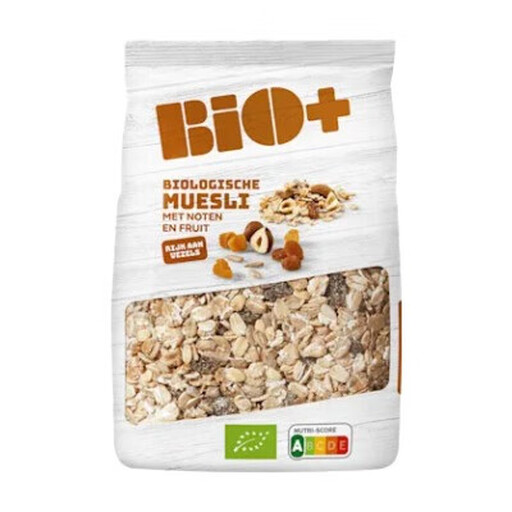
Why it suits this profile: This organic muesli is ideal if you want a mixed breakfast bowl without having to combine nuts, seeds and dried fruit yourself. You can serve it with milk or yoghurt.
The product information states 0 grams of added sugar and shows the ingredient percentages. Before buying, however, check the current packaging and allergen information.
Per 100 grams, the product contains 9 grams of fibre, 10.9 grams of protein and 0.03 grams of salt. According to the product description, the packaging can be resealed.
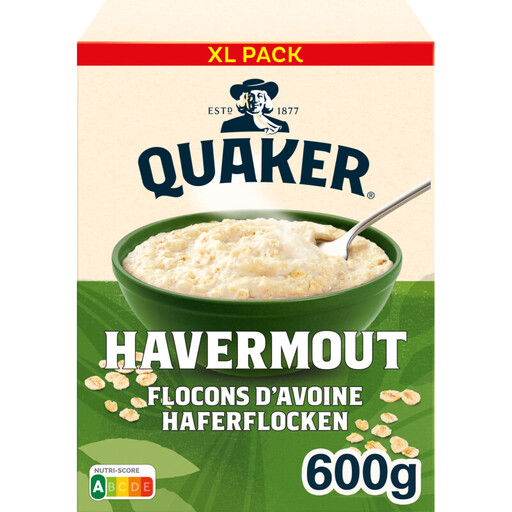
Why it suits this profile: If you are looking for a simple staple product without added flavours, this is 100% wholegrain oats. It is suitable for porridge, overnight oats or a breakfast served with yoghurt.
The ingredients list is short and contains only wholegrain oats. There are no fruit pieces or syrups to make the composition less transparent.
The nutritional information lists 9 grams of fibre, 11 grams of protein and 1.1 grams of sugar per 100 grams. According to the product information, the 600-gram pack provides 15 servings.
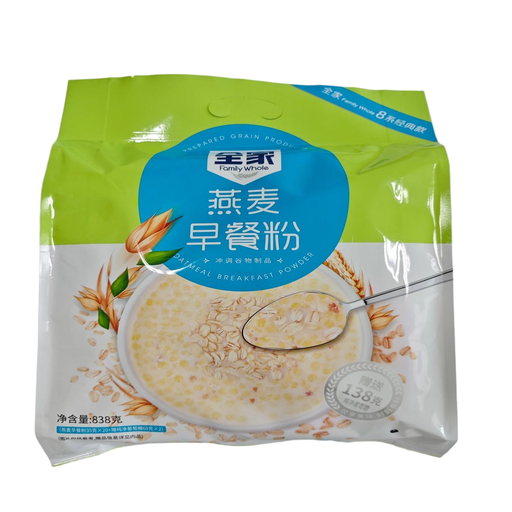
Why it suits this profile: The 20 individual 35-gram sachets are convenient for families, offices or keeping in the cupboard. With around 175 ml of boiling water, the breakfast porridge is quick to prepare.
The net weight is shown separately: 700 grams of breakfast powder and 138 grams of loose glucose. This makes it easier to assess the actual quantity of breakfast product.
According to the listing, the product contains 20% oats and 12.5% cornflakes. The portions are individually packed and suitable for preparation with hot water.
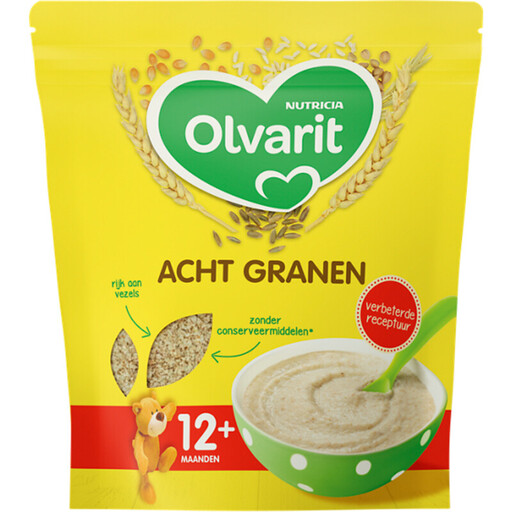
Why it suits this profile: This breakfast porridge is specifically indicated for children from 12 months. The serving information and preparation instructions are designed for use as a child’s breakfast.
The 12-month age indication is clearly shown with the product. The ingredients list includes grains and 5% honey, so always check that it is suitable for your child’s age and circumstances.
The composition contains several grains, including wholewheat and wholegrain rye. The stated serving size is 20 grams.
If you are looking for variety, you can choose oat flakes, granola, organic muesli, nut bars or quick breakfast products. For example, Quaker Cruesli Zero Sugar Added Strawberry & Peach lists 41% wholegrain oats and 17% wholegrain wheat flakes. “No added sugars” does not mean that the product contains no sugars; the nutrition table lists 4.4 grams of sugar per 100 grams.
For eating on the go, a muesli bar or nut bar is practical. Zonnatura Organic Nut Bar with Apple and Cinnamon comes as 3 bars of 25 grams and, according to the product information, contains peanuts, almonds, raisins and agave syrup. If you have allergies, always check the full warning for possible traces.
We have put together a complete, up-to-date list of products that fully meet these strict selection criteria and the applicable European safety regulations.
Instant porridge, oat flakes and individually packed breakfast products are quick to prepare. Check how much water is needed and whether the product can be eaten straight away. Ordinary porridge oats often require heating or a longer soaking time.
Not every oat preparation has the same texture, but a product labelled 100% wholegrain oats will generally state this clearly in the ingredients list. Also check whether sugar, flavourings or other added ingredients are included.
Store breakfast cereals, muesli and granola in a cool, dry place in a tightly sealed container. The exact shelf life is shown on the packaging. After opening, look out for moisture, a musty smell, lumps or damaged packaging. If in doubt, do not use the product.
