If you’d like to serve something other than bread for your toddler’s breakfast, choose wholegrain breakfast cereals with no added sugar or salt, and serve a small portion yourself. This is in line with the Netherlands Nutrition Centre’s advice for children aged 1 to 3. Check the latest label for ingredients, nutritional information and allergens: cornflakes can contain barley, and the serving size shown on the pack isn’t a standard portion for toddlers.
Who might need a small breakfast portion?
Parents looking for an alternative to bread at breakfast
You’re looking for a different breakfast for your toddler and want to know which cereals are suitable. The Netherlands Nutrition Centre lists porridge, muesli and other wholegrain breakfast cereals with no added sugar or salt as options for children aged 1 to 3.
Parents of a toddler with a small appetite in the morning
You don’t want to serve a large bowl straight away. By measuring out the cereal yourself, you can start with a small portion and offer more if your child is still hungry.
Families who need to check allergens
Before serving or packing the cereal, check the allergens listed on the pack. If you suspect a food intolerance, it’s more important to seek advice from your GP or health visitor than to cut foods out yourself.
What should you look for when choosing?
Start by checking the product and its allergens, then decide how much to put in the bowl. A small portion doesn’t make cornflakes with added sugar or salt equivalent to wholegrain breakfast cereals without these additions.
| What to consider |
What should you check? |
Who is this important for? |
| Wholegrains and added ingredients |
Check the ingredients list for wholegrains and added sugar or salt. Compare the nutritional information per 100 g, as recommended by the Netherlands Nutrition Centre. |
If I’m serving something other than bread for breakfast, I want to know whether my choice fits the advice to choose wholegrain breakfast cereals with no added sugar or salt. This is a priority for around 36% of consumers. |
| Portioning it yourself |
Check whether you can serve a small amount. Don’t treat the serving size on the pack as a recommended portion for your toddler. |
My child sometimes has a small appetite in the morning; I want to start with a little and offer more if needed. Portion size is a priority for around 29% of consumers. |
| Gluten and allergens |
Check the allergen information and any warnings about traces on the latest packaging. If avoiding gluten, look for the specific product’s gluten-free label. |
If an allergen needs to be avoided, I want to know exactly what this variety contains before serving it. This is the main concern for around 21% of consumers. |
| Packaging and availability |
Check the pack size and the information on the pack you’re buying, even if you’re already familiar with the product. |
I want to be able to make several small bowls from one pack and find the product again. This practical consideration matters most to around 14% of consumers. |
Common mistakes
-
Assuming a name containing ‘flakes’ means the cereal is wholegrain
The name doesn’t tell you whether a product is wholegrain or contains added sugar and salt. For example, Albert Heijn’s product information lists sugar, salt and barley malt extract for AH Cornflakes and Kellogg's Cornflakes.
Read the ingredients list first and compare the nutritional information per 100 g. Then decide which variety suits your breakfast choice.
-
Using the pack’s serving size as a toddler portion
The preparation amount shown on the packaging explains how to use the product, not how much your toddler should eat. A full bowl may be too much if they have a small appetite.
Serve a small amount, offer more if your child is still hungry, and don’t make finishing the bowl the goal.
-
Checking only for ‘maize’ or ‘gluten-free’
Cornflakes made with maize can contain barley malt extract. A gluten-free label alone doesn’t tell you about the other ingredients, nutritional information or allergens.
Check the full packaging for the variety you’ve chosen. If you suspect a food intolerance, ask your GP or health visitor for advice rather than cutting foods out yourself.
-
Assuming the same rules for packed food apply everywhere
What you can pack for breakfast depends on the rules at the childcare setting or school in question. The label tells you which ingredients and allergens the product contains, but not what rules apply there.
Check the current policy with your childcare setting or school before packing the cereal, and keep the product information handy.
Brands and shops to consider
Compare specific products, not just brand names: wholegrain content, added ingredients and allergens can vary between varieties.
Brinta
Cereal breakfast and porridge for anyone who wants to measure out a small bowl at home.
- According to Albert Heijn’s product information, Brinta Volkoren graanontbijt is made with wholegrain wheat, while Brinta Havermout lists oat flakes.
- Brinta Volkoren graanontbijt also lists salt, wheat and cereals containing gluten. Don’t treat the preparation amount on the pack as a toddler portion.
Kellogg's
A brand to compare if you’re specifically looking for cold cornflakes.
- Kellogg's Cornflakes are a specific product whose ingredients you can compare with those of other breakfast cereals.
- Albert Heijn’s product information lists maize, barley malt extract, sugar and salt. This means these cornflakes aren’t equivalent to wholegrain breakfast cereals with no added sugar or salt.
Albert Heijn
A shop with products including AH Cornflakes and a separate gluten-free breakfast cereals category.
- You can compare different types of products across the range.
- According to Albert Heijn, AH Cornflakes contain 95% maize grits, sugar, salt and barley malt extract. Check the ingredients and allergens again for any other variety.
Jumbo
A shop with various types of flakes and other breakfast cereals.
- According to Jumbo, Jumbo Special Flakes list wholegrain wheat and rice as ingredients, so you can take a closer look at what this variety contains.
- The same variety also lists sweetener and salt. Any product labelled gluten-free should be assessed using its own label.
Lidl
A shop that stocks breakfast cereals, worth considering if you’re comparing products in-store.
- You can check a specific pack for ingredients, nutritional information and allergens.
- Check this information on the pack before choosing or packing a variety for your toddler.
Breakfast cereals you can portion yourself at Joybuy
You can measure these products out for each bowl; they aren’t individually packed toddler portions. Brinta is a cereal breakfast, while Holie's Granola and Quaker Cruesli are different types of products. To help you choose, compare the latest label and texture with what’s suitable for your child.
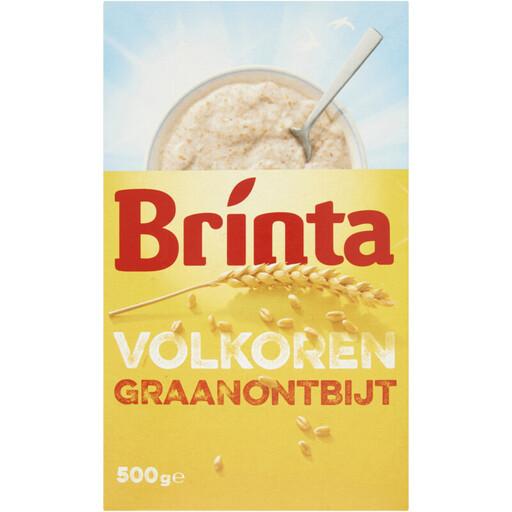 Image unavailable
Brinta wholegrain cereal breakfast 500 g
You can measure an amount from the pack yourself for a small bowl. Albert Heijn’s product information lists wholegrain wheat, salt, wheat and cereals containing gluten. The amount in the preparation instructions isn’t a standard toddler portion.
View at Joybuy
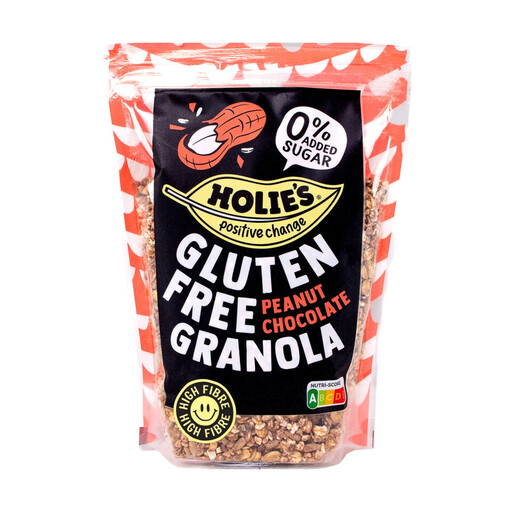 Image unavailable
Holie's Granola Glutenfree Peanut Chocolate 330 g
You can serve a small amount of this granola yourself. This variety is called Peanut Chocolate; check the latest label for allergens and nutritional information, and decide whether its crunchy texture is right for your child. The Glutenfree label doesn’t replace checking the packaging.
View at Joybuy
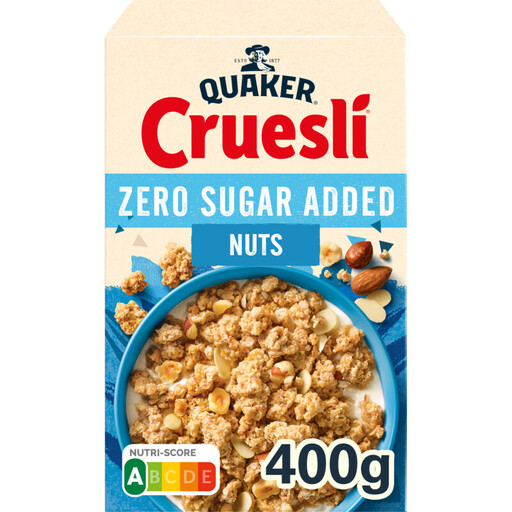 Image unavailable
Quaker Cruesli Nuts Zero Sugar 400 g
You can also measure out a small amount from this pack. Check the Zero Sugar claim against the ingredients list and nutritional information on the latest pack; also check the allergens if gluten or nuts are relevant for your child.
View at Joybuy
Frequently asked questions
Which breakfast cereals can I give my toddler as an alternative to bread?
According to the Netherlands Nutrition Centre, porridge, muesli or other wholegrain breakfast cereals with no added sugar or salt are options for children aged 1 to 3. Check the ingredients of any specific product; not every granola or type of cornflakes meets this description.
How can I make a small breakfast portion from a large pack?
Start by serving a small amount in a bowl and offer more if your child is still hungry. Treat the serving size or preparation amount on the pack as product information, not as a set amount your toddler has to eat.
Are cornflakes made from maize automatically gluten-free?
No. For example, Albert Heijn’s product information lists barley malt extract in AH Cornflakes and Kellogg's Cornflakes. If gluten needs to be avoided, check the gluten-free label and allergen information on the specific pack.
What should I do if my toddler has a reaction after eating breakfast cereal?
If you suspect a food intolerance, contact your GP or health visitor rather than cutting foods out yourself. Keep the packaging handy so you can check which ingredients and allergens are listed for the product your child ate.


