
Same-day & Next-day Delivery

Quality Guaranteed

Unlock Your Welcome Offers: FREE Delivery | Up to 80% OFF | Free 30-day JoyPlus trial
Download the APP
A box of breakfast cereal seems easy to choose, until you compare the ingredients list and nutritional values. One pack highlights wholegrain, while another mainly contains lots of sugar, syrup or chocolate. Terms such as cruesli, muesli, granola and crunchy muesli do not automatically tell you anything about the ingredients either.
For families, people who need a quick breakfast and chocolate cereal lovers, the choice usually comes down to three things: taste, nutritional value and convenience. Below, you’ll find what to look out for, which marketing claims to scrutinise and which products suit different shopping profiles.
Breakfast cereals with no added sugar can still contain naturally occurring sugars. This is often the case with varieties containing raisins or fruit. So always check the of which sugars line per 100 grams.
A product with little added sugar may also be relatively high in fat or calories. Granola and cruesli are often baked with oil, which makes them crunchy but also more energy-dense than simple cereal flakes.
Do not just rely on a prominent word such as “wholegrain” on the packaging. Check the ingredients list. If wholegrain oats, wholegrain wheat or wholegrain spelt appears first, it is likely to be an important part of the base. Weetabix, for example, states 95% wholegrain wheat. Quaker Cruesli Chocolate states 95% wholegrain in its product information.
Also pay attention to the fibre content. A product may contain wholegrains but still provide little fibre per 100 grams because of added sugar, syrup or other ingredients.
A multipack can be convenient for a large household, but compare the price per 100 grams and the recommended serving size. Individual portions from an assortment are practical for school or when you’re out and about, but may work out relatively more expensive than a 700-gram bag.
Also check the best-before date, how securely the packaging closes and whether you’ll use the product up quickly enough. Crunchy muesli loses its texture if the bag is not properly resealed after opening.
Use the nutrition table as a consistent basis for comparison. Serving sizes vary from one brand to another. A practical checklist:
By way of illustration, Quaker Zs Cruesli Nuts & Seeds states 3.8 grams of sugar, 23 grams of fibre and 9.5 grams of protein per 100 grams. Holie’s Granola Protein Amandel Speculaas states 3.4 grams of sugar, 14 grams of fibre and 20 grams of protein. These values come from the supplied product information and are given per 100 grams.
When choosing breakfast cereals with nuts and seeds, check whether they contain hazelnuts, almonds, pecans, peanuts or sesame. Also look out for cereals containing gluten, milk and soya. “May contain” refers to possible traces and is important for people with an allergy.
You should not assume a product is gluten-free simply because it contains no wheat. If you follow a gluten-free diet, choose only products that are clearly labelled as such. Holie’s Granola Glutenfree Peanut Chocolate states that it contains gluten-free wholegrain oat flakes, but it does contain peanuts and may contain traces of other nuts and soya.
Muesli often consists of flakes, nuts and dried fruit. Cruesli and granola are generally baked and crunchy. Breakfast cereals with chocolate or a filling are appealing to children, but according to the product information they often contain more sugar than plain varieties.
Portion packs can be convenient for a busy family. For everyday use, a larger resealable bag is usually more practical. Store breakfast cereals in a cool, dry place, close the packaging securely and always follow the instructions on the label.
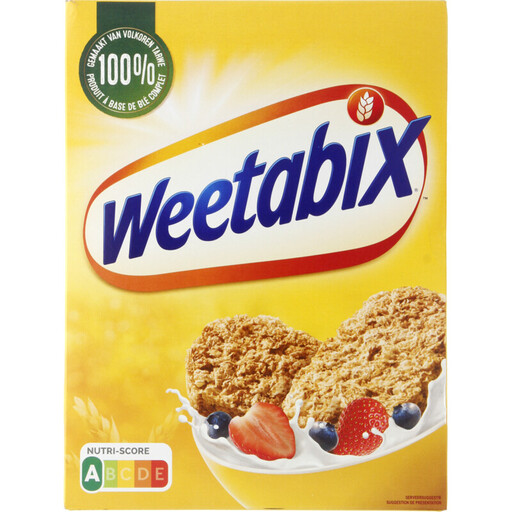
Why it suits this profile: A simple cereal base for anyone wanting to start the day with a wholegrain breakfast without having to compare lots of options.
The product information states 95% wholegrain and 4.2 grams of sugar per 100 grams, making the base easier to assess than in heavily filled varieties.
95% wholegrain wheat; 10 grams of fibre and 12 grams of protein per 100 grams according to the product information.
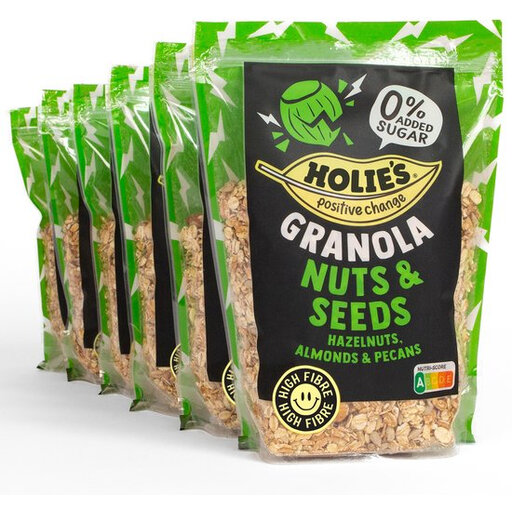
Why it suits this profile: A multipack with nuts and seeds for households that regularly enjoy crunchy granola.
The packaging states 0% added sugar, but always check the full, current labelling before buying.
15 grams of fibre, 13 grams of protein and 2.1 grams of sugar per 100 grams; contains almonds, hazelnuts and pecans.
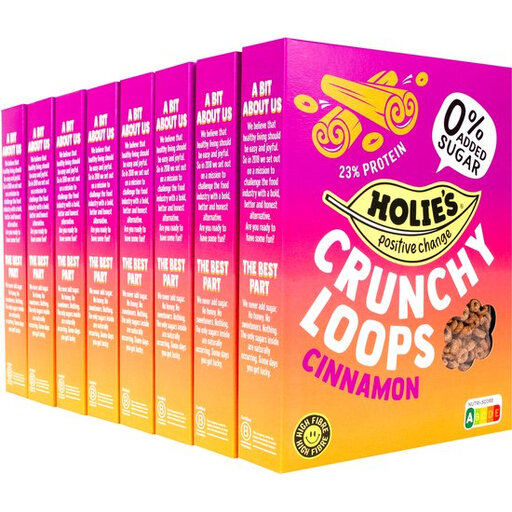
Why it suits this profile: Designed for anyone who values fibre and protein and likes to keep a multipack in the cupboard.
The nutritional values make the protein and fibre content clear, so you do not have to rely solely on the term “no added sugar”.
22 grams of fibre, 23 grams of protein and 4.9 grams of sugar per 100 grams; contains peanuts and wheat.
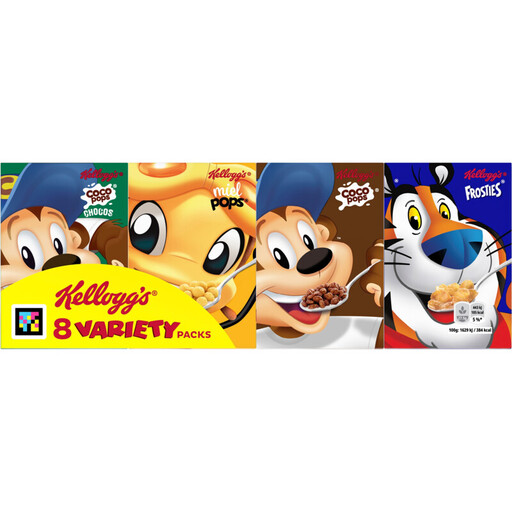
Why it suits this profile: Eight individual portions in different flavours are convenient when family members do not all want the same breakfast.
The variety means you avoid buying several large boxes that do not get used up. However, do check the nutritional values: the product information states 25 grams of sugar per 100 grams.
Four flavours and eight convenient portions; ideal for variety at home or on the go.
We’ve put together a complete, up-to-date list of products that fully meet these strict selection criteria and the applicable European safety regulations.
Start by checking the label, including both the ingredients and the amount of sugars per 100 grams. Quaker Zs Cruesli Nuts & Seeds, Quaker Cruesli Choco Zero Sugar and several Holie products state in their product information that they contain no added sugar or sweeteners. That does not mean they are sugar-free. The exact ingredients may change, so check the packaging when you buy.
No. Wholegrains often contribute to a higher fibre content, but the nutritional value varies from one recipe to another. So compare the fibre per 100 grams value. Weetabix states 10 grams of fibre per 100 grams, while some granolas and mueslis are higher according to their product information.
This depends mainly on the packaging and storage conditions. Seal the bag immediately after use, store it in a dry place and keep it away from heat and moisture. A large pack is only good value if you use the product before its best-before date. If you are unsure about the texture or the packaging is damaged, it is best not to use the product.
