
Livraison le jour même et le lendemain

Qualité garantie

Débloquez vos offres de bienvenue: Livraison GRATUITE | Jusqu'à -80 % | 30 jours d'essai gratuits à JoyPlus
Téléchargez l'application
A box of breakfast cereal seems simple to choose until you compare the nutritional values, ingredients and allergens side by side. A prominent claim on the front does not always tell the whole story. “High in fibre”, “no added sugar” and “wholegrain” can be useful pointers, but you should always check the table and ingredients list.
This helps you avoid three common purchasing mistakes:
Do not just look at the serving size shown on the front. Manufacturers use different serving sizes, which makes comparisons difficult. The European nutritional declaration per 100 grams provides a consistent basis.
Pay particular attention to:
As a practical comparison, you can place the values side by side. Holie’s Granola Protein Amandel Speculaas, for example, lists 20 grams of protein and 14 grams of fibre per 100 grams. Holie’s Crunchy Muesli Protein Nuts lists 22 grams of protein and 21 grams of fibre per 100 grams. These figures come from the product information; they do not automatically mean that the product is suitable for everyone.
Ingredients are listed in descending order by weight. If sugar, syrup or oil appears near the beginning of the list, it makes up a relatively large proportion of the recipe. With wholegrain breakfast cereals, you will usually want to see wholegrain oats, wholegrain wheat or other wholegrain cereals near the top.
Here are a few examples:
That is why you should distinguish between a claim such as “no added sugar” and “sugar-free”. According to the product description for Quaker Zs Cruesli Nuts & Seeds, this variety contains no added sugars or sweeteners, but it does contain naturally occurring sugars. Always check the current packaging before buying.
In the Netherlands, important allergens must be clearly stated. When choosing breakfast cereals, pay attention to:
Holie’s Granola Glutenfree Peanut Chocolate lists gluten-free oat flakes, but it does contain peanuts and may contain traces of various nuts and soya. If you are looking for gluten-free granola because of an allergy or intolerance, it is wise to check the packaging and any certification. A product description alone is not a substitute for the label.
Flavour, nutritional values and pack size all play a part. A smaller bag is useful for trying a new flavour, while multipacks are more practical for a household where the same variety is eaten every day. Below are some choices based on verifiable product information.
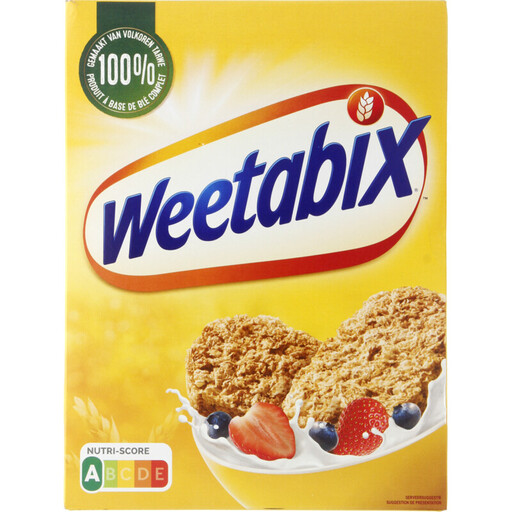
Why it suits this profile: A simple wholegrain base without chocolate or a nut filling, which you can combine with milk, yoghurt or fruit.
The product information lists 95% wholegrain cereals, 4.2 grams of sugar and 10 grams of fibre per 100 grams. Check your own serving size rather than relying solely on the claim on the packaging.
95% wholegrain wheat; 10 grams of fibre and 12 grams of protein per 100 grams according to the product information.
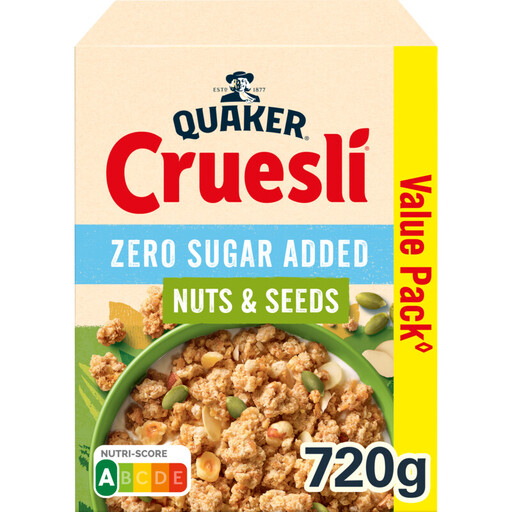
Why it suits this profile: The large pack is ideal for families and fans of crunchy muesli with pumpkin seeds, hazelnuts, almonds and pecans.
The description states that it contains no added sugars or sweeteners. The table lists 3.8 grams of sugars and 23 grams of fibre per 100 grams; however, make sure you check the nut allergens.
720 grams; 23 grams of fibre per 100 grams; recognisable ingredients such as nuts and seeds.
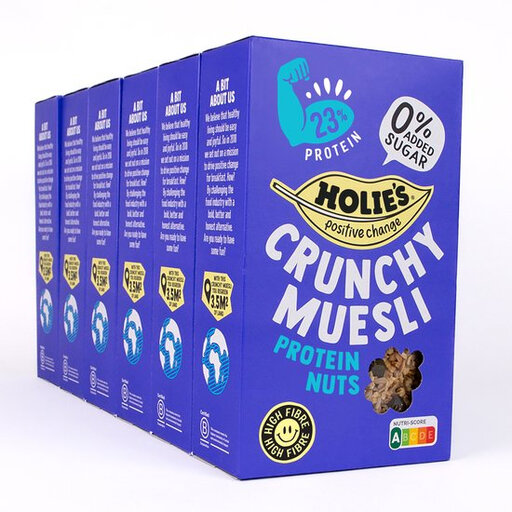
Why it suits this profile: A multipack for anyone who regularly eats high-protein granola or crunchy muesli and wants to keep a steady supply in stock.
The product information states 0% added sugar. At the same time, this variety contains wheat, oats, almonds and hazelnuts. That makes checking the allergens essential.
22 grams of protein and 21 grams of fibre per 100 grams according to the stated nutritional values; pack of 6 x 400 grams.
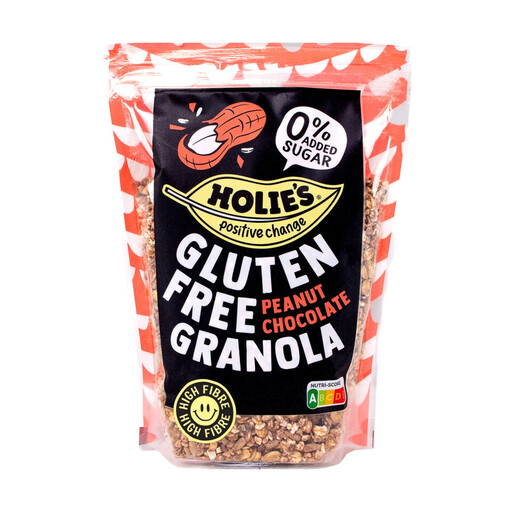
Why it suits this profile: For anyone looking for a crunchy chocolate flavour and, according to the product description, choosing a gluten-free granola with no added sugar.
The table lists 4 grams of sugar, 14 grams of fibre and 15 grams of protein per 100 grams. The product does contain peanuts and may contain traces of other nuts and soya.
330 grams; 14 grams of fibre per 100 grams; ingredients such as oat flakes, sunflower seeds, peanut butter and cocoa.
We have put together a complete, up-to-date list of products that fully meet these strict selection criteria and the applicable European safety regulations.
This varies from product to product. In the selection mentioned, Quaker Zs Cruesli Nuts & Seeds lists 23 grams of fibre per 100 grams, Holie’s Crunchy Muesli Protein Nuts 21 grams and Holie’s Granola Glutenfree Peanut Chocolate 14 grams. Always compare products per 100 grams and pay attention to the serving size too.
No. “No added sugar” does not mean that the product contains no sugars. Sugars may occur naturally in the ingredients. Check the of which sugars line in the nutritional table and review the ingredients list.
Store breakfast cereals in a cool, dry place away from direct sunlight and moisture. Seal the packaging properly or use an airtight storage container. If the packaging is damaged, do not check the contents based on taste alone: also follow the instructions on the label and observe the stated use-by or best-before date.
