
Vandaag of morgen in huis

Kwaliteit gegarandeerd

Welkomstaanbiedingen ontgrendelen: GRATIS bezorging | Tot 80% korting | Gratis 30 dagen JoyPlus-proefperiode
Download de app
A box of breakfast cereal seems simple to choose, until you compare the ingredients list and nutrition table. One pack highlights wholegrain cereals, another fibre or added vitamins. Meanwhile, sugar, salt, allergens and a small pack size can make the practical choice less appealing.
With these checkpoints, you can quickly see which porridge oats, muesli, granola, wholegrain cereals or chocolate cereals are right for your household.
A product can contain wholegrain cereals and still provide a relatively high amount of sugar. So don’t just look at the words on the front of the pack; compare the “of which sugars” per 100 grams value. For example, Weetabix Original states that it contains 95% wholegrain wheat and 4.2 grams of sugar per 100 grams. According to the product information, Kellogg’s Tresor Chocolate Hazelnut contains 26 grams of sugar per 100 grams.
That doesn’t make chocolate cereal unsuitable, but it does make it more of a choice for flavour and variety than for everyday use if you want to limit your sugar intake.
Some crunchy muesli products state that they contain no added sugars or sweeteners. This doesn’t mean that the product is low in calories. According to the nutritional information, Quaker Zs Cruesli Nuts & Seeds contains 21 grams of fat and 442 kcal per 100 grams. Its fibre content is high at 23 grams, but portion size remains important.
So always compare energy, fat, sugars and fibre together. A generous handful of granola may weigh more than the recommended serving shown on the pack.
Breakfast cereals often contain wheat, oats, barley, milk, soya, nuts or sesame. This also applies to products that sound straightforward based on their name. Zonnatura Organic Whole Wheat Oatmeal contains oats and gluten and may contain traces of soya, milk, nuts and sesame. In nut mixes such as Bolletje Crunchy Muesli Nut Mix, almonds, cashews and pecans are part of the ingredients.
If you have an allergy, always read the label on the packaging you receive. Online product information can change, and the packaging may include additional warnings.
Check which cereal appears first in the ingredients list. With simple porridge oats, the product may consist almost entirely of oats. Quaker Oatmeal - 600 g states that it contains 100% wholegrain oats and provides 9 grams of fibre per 100 grams according to the product information. Zonnatura porridge oats are organic and state that they contain 11 grams of fibre per 100 grams.
Muesli and granola often contain several components: cereals, oil, fruit, nuts, fibre and flavourings. The word muesli alone therefore says little about the nutritional value.
If you’re looking for high-fibre breakfast cereals, the value per 100 grams is a useful starting point for comparison. The supplied product details include:
Also pay attention to the serving size. A product containing 20 grams of fibre per 100 grams provides approximately 6 grams of fibre in a 30-gram serving. The amount in your bowl therefore determines how much you actually eat.
Individual sachets can be practical on busy mornings. Family Whole Purple Sweet Potato Yam Oat Flakes consists of 20 sachets of 35 grams and is prepared with hot water according to the product description. According to the product information, Brinta Wake Up Natural is ready in approximately one minute.
For everyday use, a 400- to 600-gram pack is often easier to manage. After opening, check that the pack is properly sealed and store breakfast cereals in a dry, cool place away from direct sunlight. Also check the best-before date on the packaging. With baby breakfast cereals, take extra care to check the age guidance, preparation method and storage instructions.
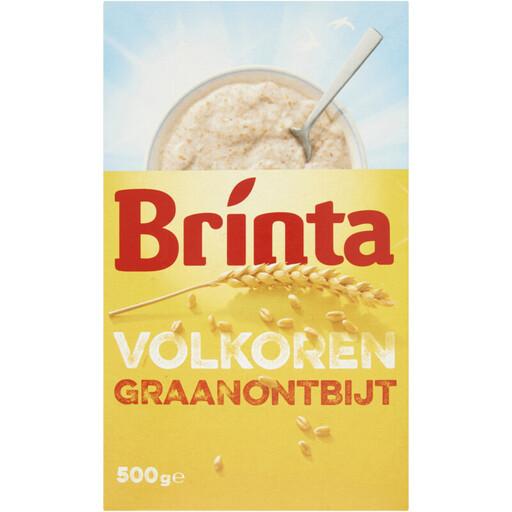
Why it suits this profile: A familiar base for a warm bowl with milk, water or fruit. The 500-gram pack is suitable for regular use.
The ingredients list is short: according to the product information, the product consists of wholegrain wheat flour and salt. This makes the cereal and salt content easy to check.
100% wholegrain wheat according to the product description, with 10 grams of fibre and 14 grams of protein per 100 grams.
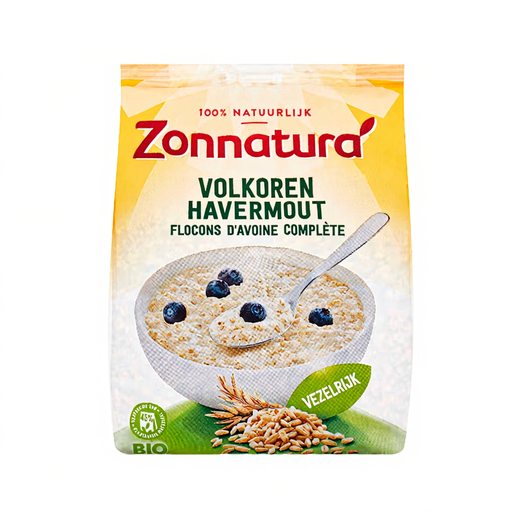
Why it suits this profile: For anyone looking for organic porridge oats with a simple composition and a clear nutrition table.
The product information states that it is organically sourced and has a short ingredients list. Allergens and possible traces are listed separately.
100% organic according to the product description, with 11 grams of fibre and 1.7 grams of sugar per 100 grams.
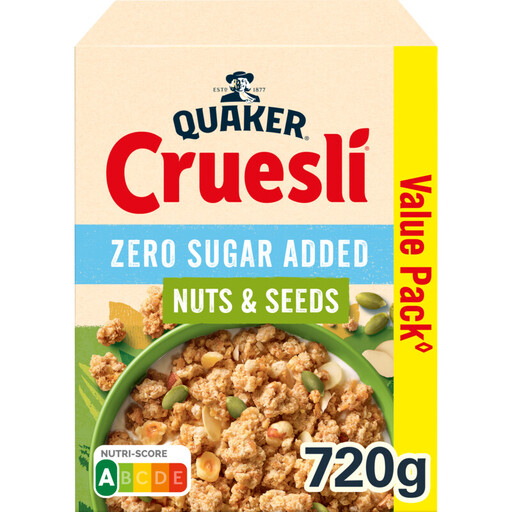
Why it suits this profile: A large pack for fans of crunchy muesli with nuts and seeds, for example with yoghurt or fruit.
“No added sugars” is supported by specific nutritional values. This means you can also see the fat, energy and sugar content per 100 grams.
720 grams of product, 23 grams of fibre per 100 grams and a recipe that includes pumpkin seeds, hazelnuts and almonds.
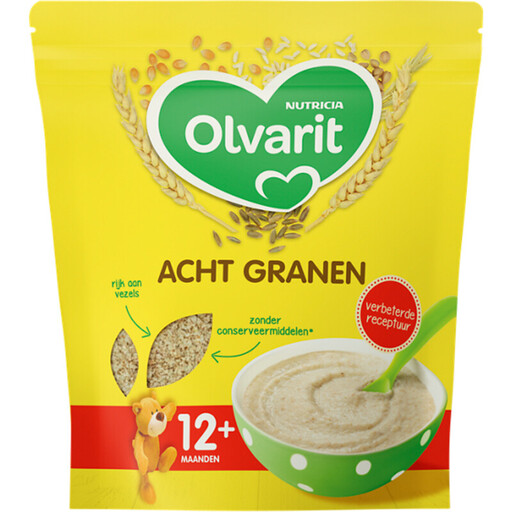
Why it suits this profile: Designed for children from 12 months who are being introduced to a breakfast made with several cereals.
The 12M+ age guidance appears in the product name. The product makes no claim that it is suitable for younger babies; always follow the label and preparation instructions.
According to the product information, it contains several cereals and is high in fibre. The product is not gluten-free and contains wheat, rye, oats and spelt.
We’ve put together a complete, up-to-date list of products that fully meet these strict selection criteria and the applicable European safety regulations.
This varies by product and serving size. According to the product details mentioned, Quaker Zs Cruesli Raisin & Hazelnut and Quaker Zs Cruesli Nuts & Seeds contain 23 grams of fibre per 100 grams. Zonnatura porridge oats contain 11 grams and Brinta Whole Wheat Cereal 10 grams per 100 grams. Check the table on the packaging, as recipes can change.
That depends on your overall diet and the portion you choose. Chocolate cereals such as Kellogg’s Chocos and Tresor are designed to offer a sweet flavour. The product details state that they contain 22 and 26 grams of sugar per 100 grams respectively. If you want to consume less sugar, you can alternate them with porridge oats, wholegrain cereals or muesli with no added sugars.
Follow the best-before date and store the product according to the label. Seal the pack securely and keep it in a dry, cool place. Individual sachets are useful when you use the contents gradually. Discard the breakfast cereal if the packaging is damaged or if its smell, taste or texture has clearly changed.
