
Vandaag of morgen in huis

Kwaliteit gegarandeerd

Welkomstaanbiedingen ontgrendelen: GRATIS bezorging | Tot 80% korting | Gratis 30 dagen JoyPlus-proefperiode
Download de app
A box of breakfast cereal or muesli bars may seem simple to choose. However, appealing words on the packaging can be misleading. For example, “no added sugar” does not automatically mean low in sugar. And a high-protein product may also contain sweeteners, milk ingredients or allergens that do not suit your diet.
This guide will help you compare breakfast cereals and muesli bars using verifiable information. That way, you can make a more informed choice of muesli, granola, porridge oats, a wholegrain breakfast or breakfast on the go.
A product may have no sugar or sweeteners added to the recipe and still contain naturally occurring sugars, for example from raisins or other dried fruit. Muesli bars with no added sugar sometimes contain polyols such as maltitol. These are listed on the label and may have a laxative effect when consumed in excess.
Therefore, always check:
Nuts, seeds, oil and concentrated fibre ingredients can make a product high in fibre, but they can also increase its energy content. So do not compare claims on the front of the pack alone. Check the nutritional values per 100 grams and consider how much you actually eat.
High-protein bars can be convenient after exercise or during a busy working day. However, not all of them are high in fibre or low in sugar. Some bars contain milk protein, soya, collagen or sweeteners. Treat them as a practical snack rather than automatically using them as a replacement for every meal.
Check which cereals appear at the top of the ingredients list. According to the product information, Brinta Whole Wheat Cereal Breakfast consists of 100% wholegrain wheat. The stated nutritional value lists 10 grams of fibre and 14 grams of protein per 100 grams.
The composition may be different for crunchy muesli. Bolletje Crunchy Muesli Nut Mix, for example, lists 13 grams of fibre per 100 grams, alongside spelt flakes, oat flakes, almonds, cashew nuts and pecans. According to the label, the sugar content is 5 grams per 100 grams.
A high-fibre choice may fit well into a wholegrain breakfast, but preferably add milk, yoghurt, fruit or another suitable accompaniment. With children and people with sensitive digestion, pay attention to the serving size.
Compare the values per 100 grams when placing different packs side by side. Then look at the serving size. A 25- or 50-gram bar may contain few calories per piece, while several bars can quickly add up.
According to the product details, Hero B'Tween Zero Muesli Bar with Milk Chocolate contains 1.5 grams of sugar and 42 grams of polyols per 100 grams. The product information also states 68 kcal per bar. This makes it a compact serving, but check whether sweeteners are suitable for you.
In the Netherlands and the European Union, important allergens must be clearly indicated in the ingredients list. Pay particular attention to:
Always check the current packaging, particularly if you have an allergy or intolerance. Online product information may change or differ from the packaging. A product description may also contain conflicting allergen information. If in doubt, contact the manufacturer or choose a product with clear labelling.
For organic breakfast cereals, look for a recognised organic certification mark and an indication of organic ingredients. “Organic” does not automatically tell you how much sugar, fat or fibre the product contains.
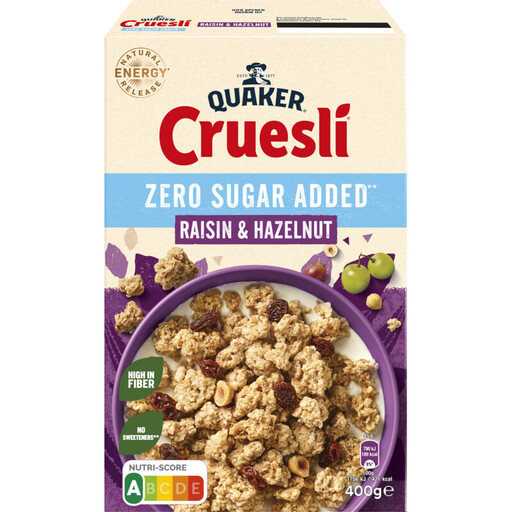
Why it suits this profile: A familiar crunchy cereal mix for anyone looking for a simple breakfast with milk or yoghurt.
The product information states that it contains no added sugars and no sweeteners. The label does state 9.4 grams of sugar per 100 grams, allowing you to assess the claim in context.
37% wholegrain oat flakes and 15% wholegrain wheat flakes; 23 grams of fibre per 100 grams according to the product details.
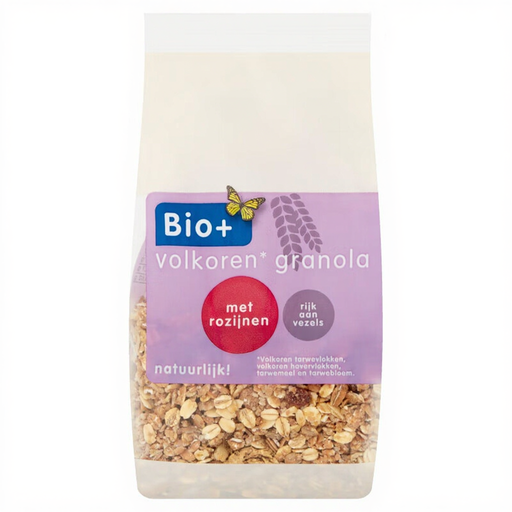
Why it suits this profile: Ideal for anyone looking for an organic granola with several grains, fruit and seeds to combine with yoghurt or a smoothie bowl.
The ingredients and nutritional values are clearly listed. The 20.5 grams of sugar per 100 grams shows why dried fruit should be included in your comparison.
9.3 grams of fibre per 100 grams; contains wholegrain wheat, oat, barley and rye flakes.
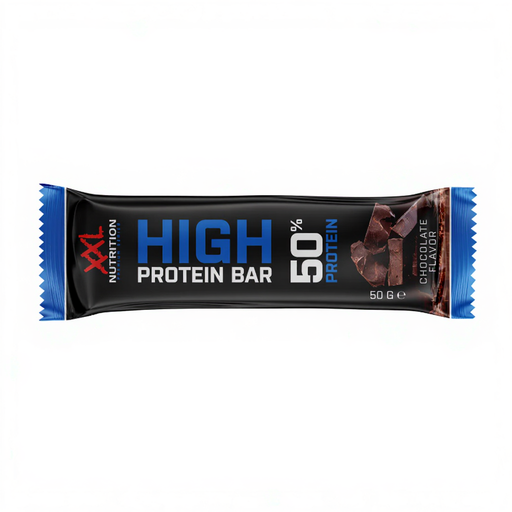
Why it suits this profile: A compact option for sportspeople and active users who pay close attention to a bar’s protein content.
The protein content is clearly stated: 50 grams per 100 grams and 25 grams per bar according to the product information. The ingredients list includes milk protein, soya and sweeteners.
25 grams of protein and 179 kcal per bar according to the product overview; 0.7 grams of sugar per bar.
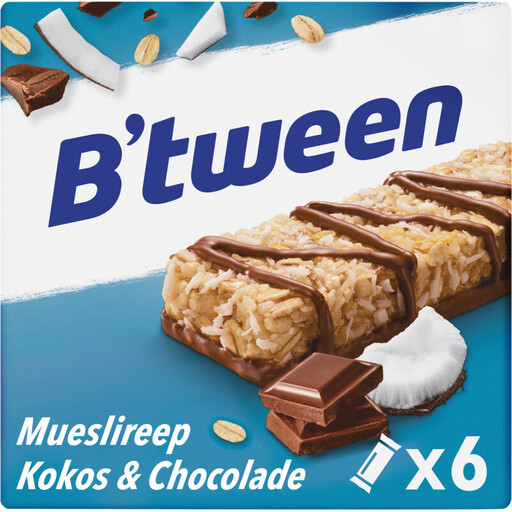
Why it suits this profile: Individually wrapped bars are practical for school, work, travel or a busy morning.
The pack contains 6 individual bars of 25 grams. This makes the serving size clear, although the label states 28 grams of sugar per 100 grams.
6 x 25 grams; according to the product information, contains cereals, coconut and milk chocolate.
We have put together a complete, up-to-date list of products that fully meet these strict selection criteria and the applicable European safety regulations.
That depends on the product and your overall breakfast. Use the serving size on the label as a starting point, then add milk, yoghurt, quark or fruit. With granola and nut-rich muesli, it is sensible to pay extra attention to the amount, as these products can be relatively high in energy per 100 grams.
No. Also check the polyols, fats, fibre and serving size. “No added sugar” means that, according to the product information, no sugar has been added as an ingredient; naturally occurring sugars or sweeteners may still be present.
Follow the date and storage advice on the packaging. Store opened breakfast cereals and muesli in a cool, dry place in a tightly sealed container. Individually wrapped bars are generally convenient to keep in stock, but always check the packaging, best-before date and any damage before eating.
