
Vandaag of morgen in huis

Kwaliteit gegarandeerd

Welkomstaanbiedingen ontgrendelen: GRATIS bezorging | Tot 80% korting | Gratis 30 dagen JoyPlus-proefperiode
Download de app
A box of breakfast cereal might seem simple to choose. Yet muesli, cruesli, granola and porridge oats differ greatly in ingredients, nutritional values, allergens and preparation methods. A flashy packet or words like “natural”, “high in fibre” and “no added sugar” don’t tell the whole story.
The three most common pitfalls:
Muesli usually consists of flakes, seeds, nuts and dried fruit. A product like B+ Muesli Nuts and Fruit contains wholegrain cereals, raisins, apricot, sunflower seeds, hazelnuts and almonds, among other things. According to the product information, no added sugar has been used, but the nutritional information does show 20.8g of sugars per 100g. That’s consistent with the presence of dried fruit.
Granola and cruesli are often toasted and therefore crunchier. This can involve oil, sugar, syrup or other binding ingredients. Quaker Cruesli 4 Nuts states on the label that it contains 95% wholegrain cereals and 10.7% nuts, but also glucose syrup, sugar and honey. The nutritional information shows 12g of sugars per 100g.
If you want less added sugar, you could look at a product like Quaker Cruesli Choco Zero Sugar. According to the product description, this contains no added sugars or sweeteners and lists 3.4g of sugar per 100g. Always check the current label, especially when buying online.
Porridge oats are practical if you want to decide for yourself what goes into your bowl. Quaker Oatmeal consists, according to the ingredients list, of 100% wholegrain oats. Per 100g, the product contains 9g of fibre, 11g of protein and 1.1g of sugars.
Zonnatura Organic Whole Wheat Oatmeal is an option for those specifically looking for organic porridge oats. The product information states 100% organic wholegrain oat flakes, 11g of fibre and 11g of protein per 100g. According to the label, the product may contain traces of soya, milk, nuts and sesame.
You can also make your own porridge oats with nuts and fruit. That way, you stay in control of the amount of dried fruit, seeds and nuts. This is handy if you want to take taste, allergens or portion size into account.
Don’t just look at terms on the front; compare the nutritional information table. Products in this selection vary clearly:
A high fibre content doesn’t automatically say anything about taste, calories or suitability for your family. Cruesli, for example, often contains more fat and energy than plain porridge oats. So compare several values at the same time.
Ingredients are listed in descending order by weight. Is oats, wheat or another wholegrain cereal at the top? Then that ingredient forms a significant part of the mix. Also look out for sugar, glucose syrup, honey, oil and sweeteners.
With B+ Granola Whole Wheat, wholegrain wheat, oat, barley and rye flakes come first. The product also contains 22% raisins, 5% dried apricot and 5% sunflower seeds. The nutritional information shows 9.3g of fibre and 20.5g of sugars per 100g.
For people with coeliac disease or a gluten intolerance, “gluten-free” is a specific product characteristic that you must check on the label. Ordinary oats can be listed as an allergen and, according to product information, may contain traces of wheat or barley.
The Schär Bread Mix-Mix B Gluten Free is a gluten-free bread mix based on, among other things, maize starch, rice flour, lentil flour and psyllium fibre. The product is described as gluten-, lactose- and wheat-free, but does list soya as an allergen or possible trace. If you have allergies, always check the packaging and prepare the product in a way that avoids cross-contamination.
A large packet isn’t always better value if you don’t use the product much. Compare the net weight, the number of portions and the shelf life after opening. Plain porridge oats are generally easy to store and prepare. Quaker Oats Express Protein is, according to the product description, ready in about two minutes and contains 22g of protein per 100g.
Instant products are handy for work, school or travel, but check whether extra ingredients or allergens have been added. Store breakfast cereals in a sealed container, in a dry place away from heat and moisture.
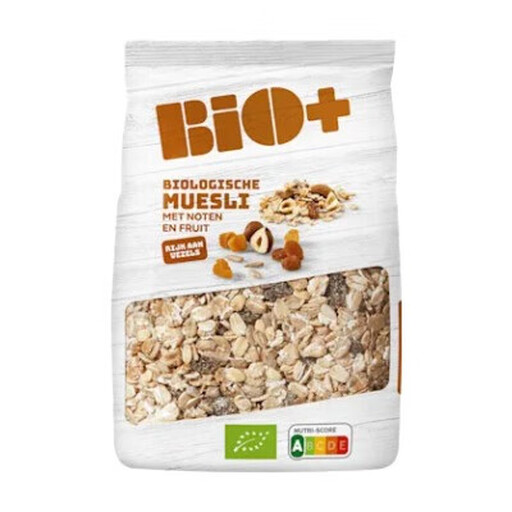
Why this fits the profile: A versatile muesli for breakfast with milk, yoghurt or as a topping. The mix contains cereals, seeds, nuts and dried fruit.
The ingredients and nutritional values are clearly stated. Do note the 20.8g of sugars per 100g, mainly coming from the fruit mix.
9g of fibre, 10.9g of protein and 0g of added sugars according to the product information.
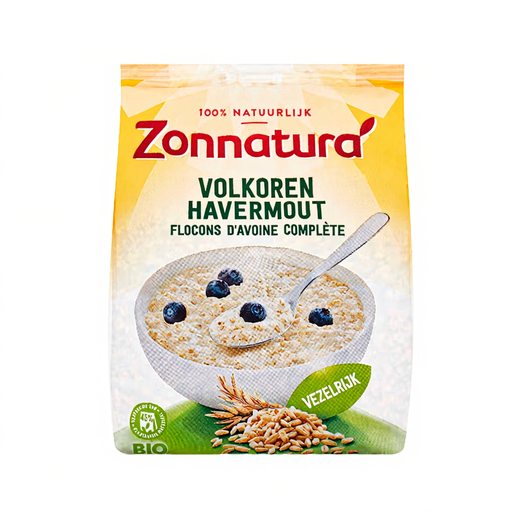
Why this fits the profile: Suitable for those looking for organic porridge oats with a short ingredients list who want to add their own fruit or nuts.
The ingredients list only mentions wholegrain oat flakes from organic farming; no flavourings or syrups are listed.
100% organic wholegrain oat flakes, 11g of fibre and 11g of protein per 100g.
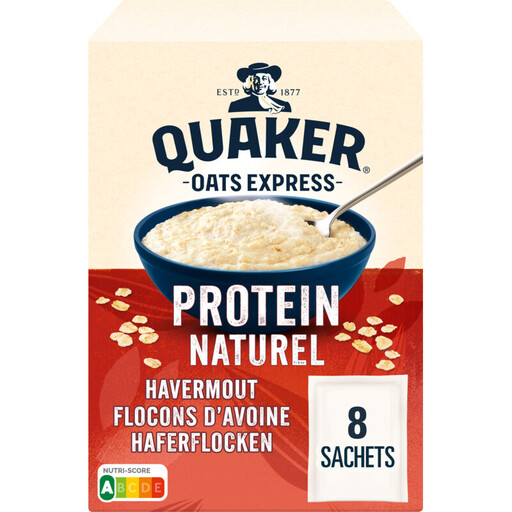
Why this fits the profile: A quick choice for busy mornings. According to the product information, the porridge oats are ready in about two minutes.
The nutritional information makes it clear that the product contains soya protein and may contain wheat or barley. That prevents a wrong choice based on the name alone.
22g of protein, 7.2g of fibre and 1.2g of sugars per 100g according to the product label.
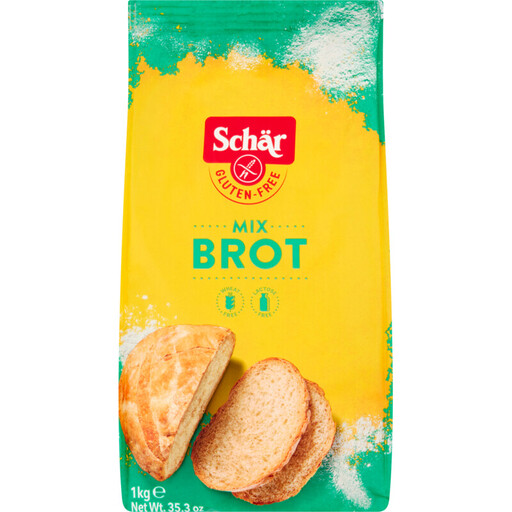
Why this fits the profile: For those who, alongside breakfast cereals, are also looking for a gluten-free bread mix for bread, pizza or other baked goods.
The product information explicitly states gluten-, lactose- and wheat-free. Do check the mention of soya and possible traces.
1kg pack, suitable for hand kneading and use in a bread machine.
We’ve put together a full, up-to-date list of products that fully meet these strict selection criteria and current European safety regulations.
That varies by product. Quaker Oatmeal states, according to the product information, that it has no added sugars and consists of 100% wholegrain oats. Some variants of Quaker Cruesli are also described as having no added sugars. Always check the ingredients list: “no added sugars” doesn’t automatically mean the product contains no naturally occurring sugars.
Store opened breakfast cereals in a well-sealed container in a cool, dry place, away from moisture and direct sunlight. This helps keep the texture for longer. Check the best-before date before use and don’t use a packet if it’s damaged.
No. Oats are often listed on labels as a cereal containing gluten and may contain traces of wheat or barley. If you need to strictly avoid gluten, only choose products with a clear gluten-free label and check the allergen information on the packaging.
