
Vandaag of morgen in huis

Kwaliteit gegarandeerd

Welkomstaanbiedingen ontgrendelen: GRATIS bezorging | Tot 80% korting | Gratis 30 dagen JoyPlus-proefperiode
Download de app
A box of breakfast cereal seems easy to choose, until you compare the ingredients and nutritional information. One pack highlights fibre, another says “natural”, “no added sugar” or high in protein. But these claims don’t tell you everything about the ingredients, portion size or whether the product is right for your household.
For UK shoppers, there are three common pitfalls to look out for:
If you choose based only on the front of the pack, you could end up buying a product that isn’t right for your breakfast, your child’s age or a particular dietary goal.
Ingredients are listed on the label in descending order by weight. If wholegrain oats, wheat or another cereal is listed first, it’s likely to be the main ingredient. Muesli and granola may also contain significant amounts of nuts, seeds, dried fruit, oil or sweeteners.
Examples from the range:
“Organic”, “wholegrain” and “natural” are separate characteristics, so check what the label actually says.
Serving sizes vary between brands, so the per-100 g table makes for a fairer comparison. Pay particular attention to:
For example, according to the product information, Bolletje Ball of Crunchy Muesli Hazelnut Almond contains 13 g of fibre and 5 g of sugar per 100 g. Quaker Zs Cruesli Nuts & Seeds lists 23 g of fibre and 3.8 g of sugar per 100 g, noting that the sugars are naturally occurring. According to the nutritional table provided, TastyBasics Granola Nuts & Seeds contains 22 g of fibre and 28 g of protein per 100 g, but also 29 g of fat.
For babies and toddlers, the age guidance and preparation instructions are essential. Baby breakfast cereals are often more finely ground and should be prepared with milk or water according to the instructions on the pack.
Check the following:
If you have concerns about allergies or introducing solid foods, follow the label and seek professional dietary advice. Don’t rely solely on product claims or the front of the pack.
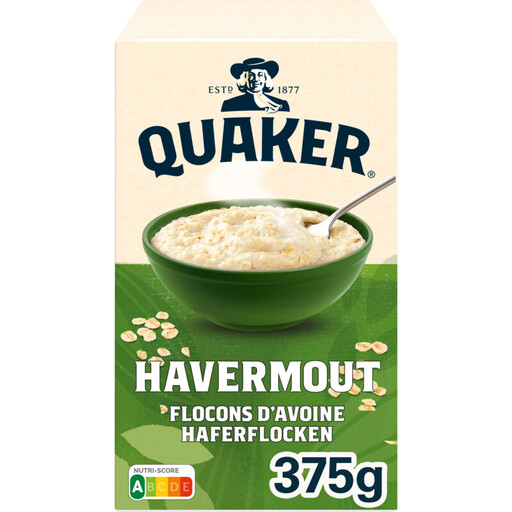
Why it suits this profile: A simple pack of 100% wholegrain oats in a size that’s ideal for trying them out.
The ingredients list is short and, according to the product information, contains no added sugar. Check the current pack for the definitive details.
100% wholegrain oats; 9 g of fibre and 1.1 g of sugar per 100 g, according to the nutritional information provided.
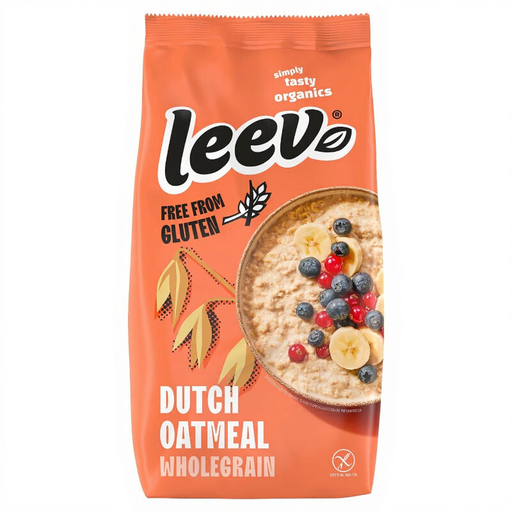
Why it suits this profile: A good choice if you’re looking for organic porridge oats with a short ingredients list to add to yoghurt, quark or milk.
The product information lists one main ingredient: wholegrain gluten-free oats from certified organic farming. Check the allergen information on the pack.
10 g of fibre, 14 g of protein and 1 g of sugar per 100 g, according to the nutritional information supplied.
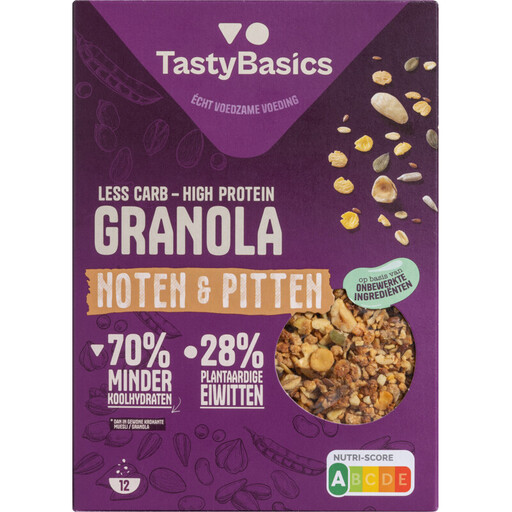
Why it suits this profile: For adults looking for a granola that’s high in protein and fibre, and happy to weigh out a smaller portion.
The nutritional information makes it clear that the high fibre and protein content comes with 29 g of fat and 472 kilocalories per 100 g. This makes it easier to tailor your portion.
22 g of fibre and 28 g of protein per 100 g, according to the product information; contains oats, seeds, pulses and nuts.
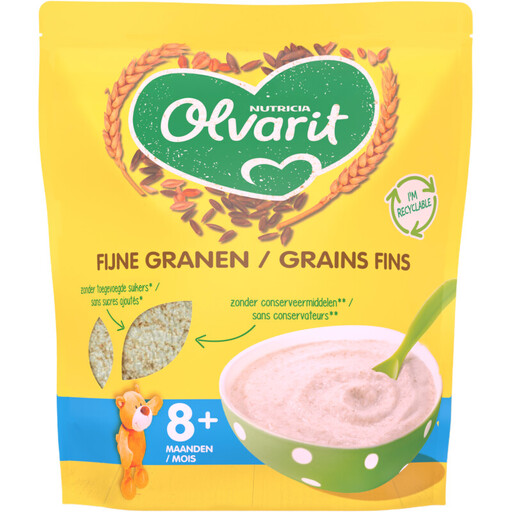
Why it suits this profile: An option for parents looking for baby breakfast cereal with clear age guidance from 8 months.
The product information includes the age guidance, portion size, preparation instructions and maximum storage time after opening. However, the product contains cereals with gluten.
99.9% cereals according to the ingredients list; 10 g of fibre per 100 g and a small 25 g portion.
We’ve put together a complete, up-to-date list of products that meet these strict selection criteria and the applicable European safety requirements.
Porridge oats usually have a short ingredients list and are easy to combine with milk, yoghurt, fruit or nuts. Muesli often contains a mix of cereals, nuts, seeds and dried fruit. Granola and cruesli are usually baked until crunchy and may contain oil, sugar or syrup. So always compare the nutritional information per 100 g.
Store breakfast cereal in a sealed container in a cool, dry place, away from moisture and direct sunlight. Close the pack securely to keep it crunchy. For baby porridge, follow the specific instructions on the label. Some Olvarit products state that the contents can be kept for up to four weeks after opening.
Don’t confuse “sugar-free” with “no added sugar”. Check the full label, as cereals, dried fruit and other ingredients can contain naturally occurring sugars. Also check the fibre, protein, allergens, portion size and total energy per 100 g.
