
Vandaag of morgen in huis

Kwaliteit gegarandeerd

Welkomstaanbiedingen ontgrendelen: GRATIS bezorging | Tot 80% korting | Gratis 30 dagen JoyPlus-proefperiode
Download de app
Buying breakfast cereals online might seem straightforward, but packaging can be misleading. A catchy flavour name tells you little about the sugar content, a large bag isn't automatically better value, and terms like "high in fibre" or "high in protein" should always be checked against the nutrition table.
For British households, these three pitfalls are particularly relevant:
The nutrition table is the most useful point of comparison. Don't just look at the front of the packet; check per 100g:
For example, TastyBasics Granola Chocolate & Nuts states, according to the product information provided, 21g of protein and 28g of dietary fibre per 100g. The same information notes 6.8g of sugars per 100g and no added sugar according to the product description. These are verifiable facts, but they don't automatically mean the product is the right choice for everyone. The ingredients list includes soya, oats, hazelnuts and almonds.
Ingredients are listed in descending order by weight. If sugar, syrup or a sweet ingredient appears early in the list, that's a point to note. Also always check the bold allergens on the packaging.
With Kellogg's Tresor Chocolate Hazelnut, the grain component makes up 53% of the product according to the product information, including wheat, oats and rice. The product also contains a chocolate-hazelnut filling. Per 100g, 26g of sugar is stated, alongside 3.6g of fibre and 7.1g of protein. It contains gluten-containing cereals, hazelnuts and milk.
Anyone looking for sugar-free granola should also distinguish between "no added sugar" and "sugar-free". Always check the current packaging; online product information can change, and the packaging is the definitive source.
A pack of 350g to 410g is practical for trying a new flavour. Multipacks are more convenient for daily users, while large rice packs are best suited to families, heavy users or people who often cook Asian dishes.
For a quick breakfast, individual sachets are handy. Several Family Whole products are supplied in 35g sachets according to the product information, with around 150ml to 175ml of hot water added. Pay attention to the full label: some variants come with separate sachets of pure glucose. That addition counts when you're assessing the whole pack.
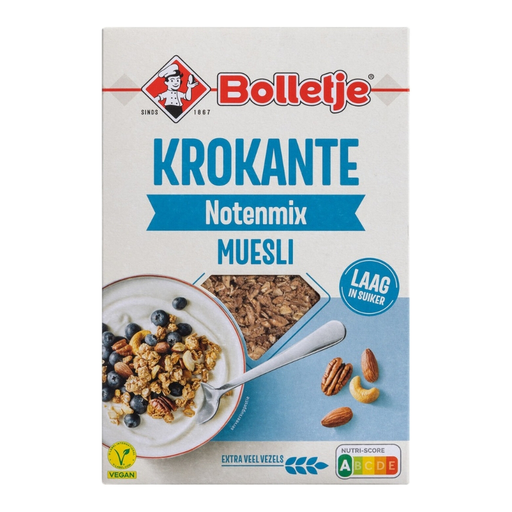
Why this fits the profile: A manageable size for anyone wanting to try muesli without committing to a large stock.
The product information states values per 100g and per 45g serving. This helps you better judge portion size and total usage.
13g fibre and 12g protein per 100g according to the product data; with almonds, cashews and pecans.
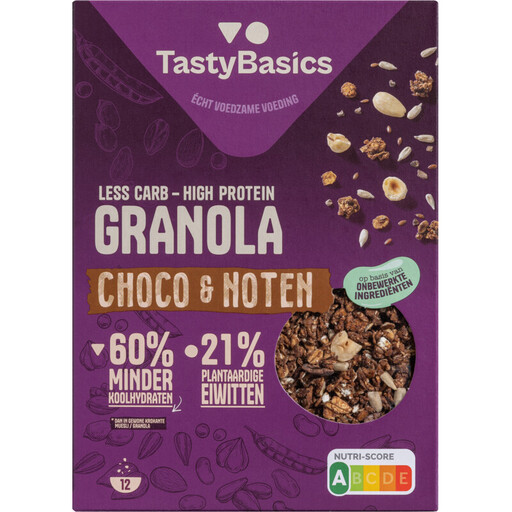
Why this fits the profile: For those who want to combine granola with chocolate and nuts while enjoying relatively high protein and fibre values.
The nutritional information shows concrete figures alongside the lower-carbohydrate claim: 26g carbohydrates and 6.8g sugars per 100g.
According to the product information, 21g protein and 28g fibre per 100g; a 30g serving is suggested.
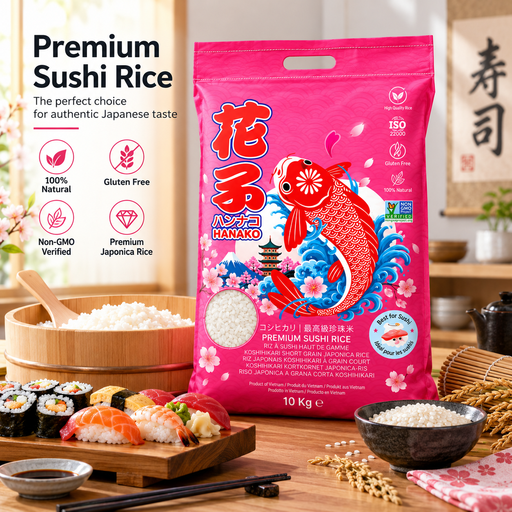
Why this fits the profile: For families and frequent users who want a generous rice supply alongside their breakfast cereals.
The type and use are clearly described: short-grain Japonica rice suitable for sushi, onigiri and rice bowls.
10kg pack; according to the product information, 100% Japonica rice with a soft, slightly sticky texture after cooking.
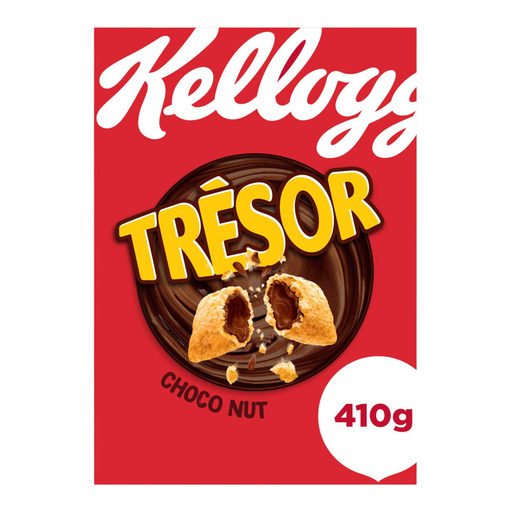
Why this fits the profile: A clear choice for anyone looking for a crunchy breakfast with a chocolate-hazelnut flavour.
The figures make the sweet composition visible: 26g sugars per 100g. This keeps the flavour expectation linked to the nutritional information.
We've put together a full, up-to-date list of products that fully meet these strict selection criteria and comply with current European safety regulations.
Always compare the "of which sugars" value per 100g. Products with chocolate, syrup, dates or raisins can have a higher sugar content. A claim like "no added sugar" should be assessed alongside the ingredients list and nutrition table.
That depends on the composition. Granola is often baked and may contain oil, nuts or sweeteners. Muesli can be simpler, made from flakes, nuts and dried fruit. So look at fibre, protein, sugars, fats and the portion size rather than just the product name.
Unopened products are generally good until the date on the packaging. After opening, a dry cupboard and an airtight seal are important. Check the smell, taste and any signs of moisture or mould before use. The current packaging remains the definitive source for storage information.
