
Vandaag of morgen in huis

Kwaliteit gegarandeerd

Welkomstaanbiedingen ontgrendelen: GRATIS bezorging | Tot 80% korting | Gratis 30 dagen JoyPlus-proefperiode
Download de app
Breakfast cereals and grain biscuits might seem simple to choose. Yet attractive packaging, claims such as “no added sugars” and large value packs can lead to a disappointing purchase. A product may, for example, contain plenty of wholegrain cereals, but also relatively high levels of sugar or saturated fat. Likewise, terms like “gluten-free”, “organic” and “high in fibre” should always be checked against the ingredients list and nutrition information panel.
The Joybuy Product Recommendation Officer is here to help you translate marketing claims into verifiable product information. That way, you can compare muesli, cruesli, granola, breakfast biscuits and cereal bars in a way that suits your household.
A product with no added sugars can still contain naturally occurring sugars, for example from raisins or fruit. According to the product information, Quaker Zs Cruesli Raisin & Hazelnut states no added sugars and no sweeteners, but it does contain 9.4 grams of sugar per 100 grams. With granola, it is therefore wise to look at both sugars and the ingredients list.
Also keep an eye on sweeteners. According to its label, Hero B’Tween Muesli Bar Zero White Chocolate contains maltitol and has 42 grams of polyols per 100 grams. The product information warns that excessive consumption may have a laxative effect. So “Zero” does not automatically mean the product is suitable for everyone.
“High in fibre” or “source of fibre” can be useful, but compare the amount per 100 grams. According to the nutritional information provided, Holie’s Granola Glutenfree Peanut Chocolate contains 14 grams of fibre per 100 grams. Belvita Wholegrain Cookies contain 6.2 grams per 100 grams. A smaller serving of biscuits may also provide less fibre than the packaging suggests.
So always check the portion size, especially with breakfast cereals that you eat with milk or yoghurt. A large bowl of cruesli can easily exceed the stated standard portion.
An organic product is not automatically low in sugar. Gluten-free granola may contain ingredients you are still allergic to, such as peanuts or nuts. With children’s biscuits from 12 months onwards, the age indication, texture, supervision and allergens are more important than a cheerful packet.
The age on the packaging is a guideline. Make sure a young child sits upright, stay nearby and always follow the instructions on the label. Always check the current packaging before use, as the composition and allergen information can change.
Ingredients are listed in descending order by weight. If sugar, syrup or oil appears before the cereals, it forms a relatively large part of the recipe. Also look at the specific wholegrain content. Quaker Cruesli Chocolate, for example, states 37% wholegrain oats and 9.6% wholegrain wheat. The product information also notes 16 grams of sugar and 10 grams of fibre per 100 grams.
With muesli and granola, pay attention to the difference between wholegrain breakfast cereals, oat flakes, puffed rice, seeds and crunchy pieces. Granola is often toasted and may therefore contain more oil or syrup than standard muesli.
Use the per 100 grams values to compare products fairly. Look at least at:
According to the product information, Holie’s Granola Protein Amandel Speculaas contains 20 grams of protein and 14 grams of fibre per 100 grams. It also contains 27 grams of fat. That could make the product interesting for someone consciously watching their protein intake, but not automatically for someone looking for a light breakfast.
For on-the-go occasions, breakfast biscuits or cereal bars can be practical. Belvita Wholegrain Cookies come in packs of six, each containing four biscuits. Do check the portion: according to the product information, four biscuits weigh 50 grams and contain 22 grams of sugar per 100 grams when converted.
Always check the allergens highlighted in bold on the packaging. Many products in this category contain wheat, oats, milk, soya, peanuts, nuts or sesame.
Examples:
If you eat a vegan diet, in addition to checking for “plant-based”, you should also check for milk powder, honey and other animal-derived ingredients. With organic snacks, the organic certification mark on the packaging is the practical check, not just the product name.
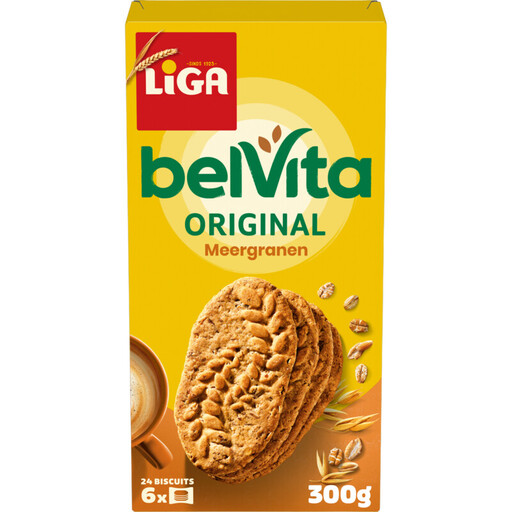
Why this fits the profile: The portion packaging makes these breakfast biscuits practical for work, school or breakfast on the go.
The product information states five wholegrain cereals, but also 22 grams of sugar and 1.4 grams of salt per 100 grams. So you can clearly weigh up the nutritional values in advance.
Six individual packs of four biscuits; according to the product information, 6.2 grams of fibre per 100 grams.
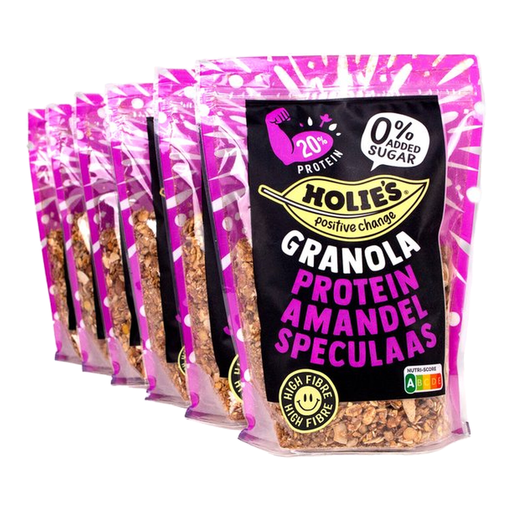
Why this fits the profile: The large pack suits households that regularly use granola with yoghurt or milk and appreciate the flavour of speculaas spices.
“0% added sugar” is backed up with concrete values: 3.4 grams of sugar, 14 grams of fibre and 20 grams of protein per 100 grams according to the product information.
Wholegrain barley, oat and spelt flakes; contains almonds, peanuts and soya.
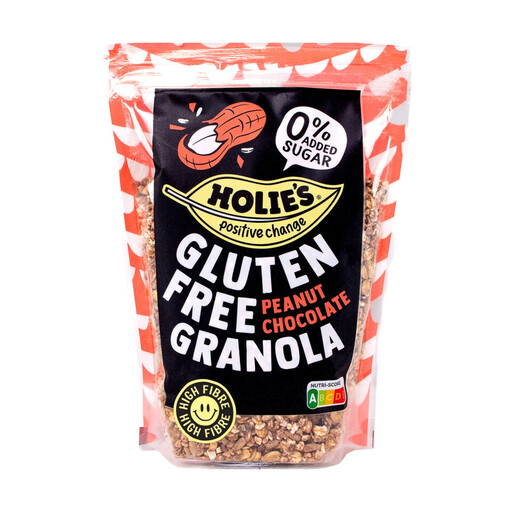
Why this fits the profile: An option for those looking for gluten-free granola who want to see ingredients like peanut, cocoa and seeds clearly listed.
The claim “0% added sugar” sits alongside concrete figures: 4 grams of sugar, 14 grams of fibre and 15 grams of protein per 100 grams according to the product information.
Contains 44% gluten-free wholegrain oat flakes; contains peanuts and may contain traces of nuts and soya.
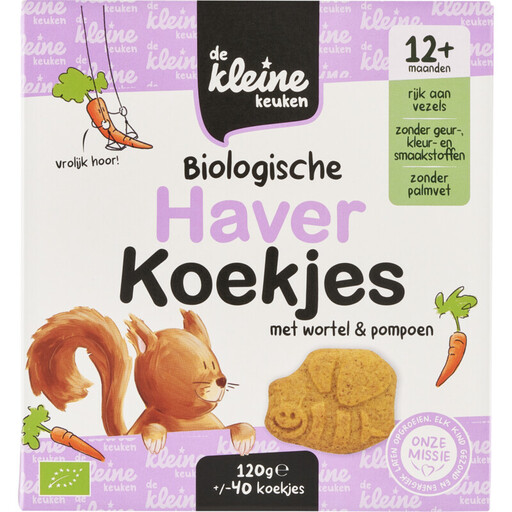
Why this fits the profile: According to the product information, these organic oat biscuits are intended from 12 months and contain oats, spelt, carrot purée and pumpkin.
The age indication, ingredients and allergens are clearly stated. The product does contain gluten and 14% coarse brown sugar, so check the portion.
100% wholegrain according to the product description; according to the nutritional information, contains 6.57 grams of fibre per 100 grams.
We have put together a full, up-to-date list of products that fully meet these strict selection criteria and current European safety regulations.
Muesli, cruesli, breakfast biscuits and oat bars are practical when you are short on time. Choose a product with a clear portion size and check especially for sugar, fibre and allergens. For on the go, individually wrapped Belvita biscuits or cereal bars are handy; at home, you can combine muesli or granola with yoghurt, milk or fruit.
Not automatically. Check whether the product is labelled as gluten-free and read the current allergen information. Oats may also require separate attention due to possible cross-contamination. Holie’s Granola Glutenfree Peanut Chocolate states gluten-free oat flakes, but does contain peanuts and may contain traces of nuts and soya.
Store opened packs in a cool, dry place, tightly sealed, away from heat and moisture. This helps crunchy products stay pleasant in texture for longer. Always check the best-before date and the storage advice on the packaging. If the packaging is damaged, it is best not to use the product.
