
Vandaag of morgen in huis

Kwaliteit gegarandeerd

Welkomstaanbiedingen ontgrendelen: GRATIS bezorging | Tot 80% korting | Gratis 30 dagen JoyPlus-proefperiode
Download de app
A quick bowl of porridge, crunchy granola or a muesli bar on the go: breakfast cereals and muesli bars are perfect for busy mornings and active days. Yet a flashy packet doesn’t tell you everything about what’s inside. A product labelled “no added sugar”, “organic” or “high in fibre” can still be packed with carbohydrates, sweeteners or allergens.
With this guide, you can compare products based on verifiable information. That way, you can make a more informed choice between porridge oats, granola, organic breakfast cereals, granola bars and other wholegrain breakfast options.
A product with no added sugar can still contain naturally occurring sugars. This is the case with various porridge oat products and with Quaker Cruesli Choco Zero Sugar, for example. Always check the of which sugars line per 100 grams. Also look out for ingredients such as glucose syrup, agave syrup, rice syrup, date syrup and fruit concentrate.
In bars, the sugar content can also be relatively high due to chocolate, dried fruit or syrups. “Sugar-free breakfast cereals” is therefore not a good enough reason to automatically consider a product suitable for your diet.
An organic certification tells you about the production method, but not automatically about the calorie, sugar or fat content. “Wholegrain” is also just one part of the equation. Check the ingredients list to see if wholegrains appear near the top, and then compare fibre, protein, salt and saturated fats.
An individually wrapped bar is handy for work, school, cycling or travelling. However, the portion size is often small. The Hero Coconut Muesli Bar contains 6 bars of 25 grams; per 100 grams the product information lists 28 grams of sugars, 5.5 grams of fibre and 5.7 grams of protein. That might work as a snack, but the bar doesn’t have the same composition as a bowl of porridge with fruit and yoghurt.
For a high-fibre choice, compare the fibre content per 100 grams. Across the range, this varies noticeably:
A high figure can be partly due to added fibres, such as inulin or chicory root fibre. So also check the ingredients list. If you’re mainly looking for a simple wholegrain product, you could choose porridge oats or Brinta, which according to the product description is made from 100% wholegrain wheat.
Athletes and people with busy days often pay attention to protein. Don’t just compare the value per 100 grams, but also how much you actually eat. Quaker Oats Express Protein lists 22 grams of protein per 100 grams and, according to the ingredients list, contains 85% wholegrain porridge oats and 15% soya protein. That’s a different product choice from a plain porridge oat with no additions.
Nut bars can also be relatively high in protein. The Zonnatura Organic Nut Bar with apple and cinnamon lists 19 grams of protein per 100 grams, but also 34 grams of fat and 528 kcal per 100 grams. That makes the bar particularly suitable for anyone consciously looking for a compact, energy-dense snack.
Always check the bold allergens on the label. Many breakfast cereals contain oats, wheat, barley, milk, soya or nuts. Don’t just rely on a “gluten-free” claim on the front either. With Madegood products, the product information includes specific details about gluten and allergens; check the current packaging before use.
Also pay attention to brand claims. According to Quaker’s own research, beta-glucans from oats may help lower cholesterol, under certain conditions and as part of a varied diet. Don’t treat such information as a personal health promise. For a purchase comparison, the ingredients list and nutrition table are what matter most.
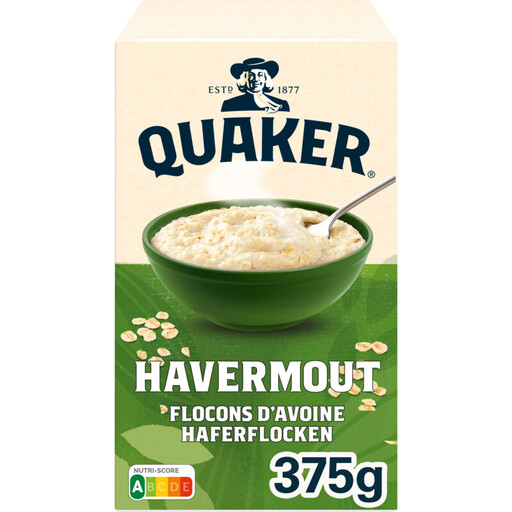
Why this fits the profile: A simple pack of 100% wholegrain porridge oats with a clear ingredients list. Handy to combine yourself with milk, yoghurt, fruit or nuts.
No flashy taste claim or long mix of syrups; the product information lists only wholegrain oats as the ingredient.
9 grams of fibre and 11 grams of protein per 100 grams; available in a 375 gram pack.
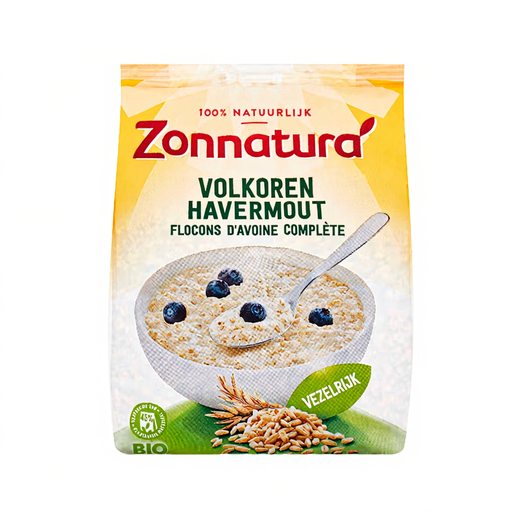
Why this fits the profile: Ideal if you value organic breakfast cereals and a short ingredients list.
The product information lists 100% organic wholegrain oat flakes, with no syrups or flavourings.
11 grams of fibre, 11 grams of protein and 1.7 grams of sugars per 100 grams; 500 gram pack.
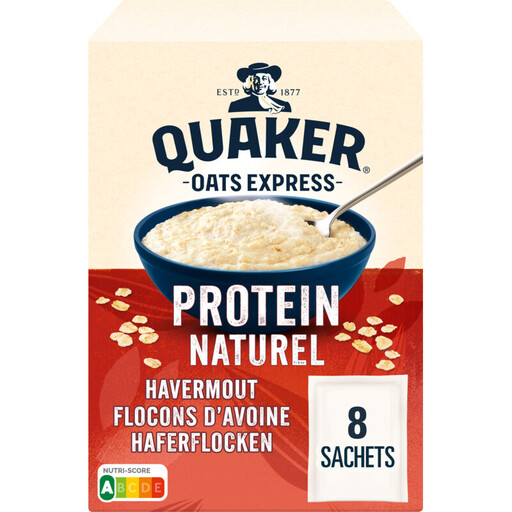
Why this fits the profile: For busy professionals and athletes who want a warm bowl of wholegrain porridge oats ready in around two minutes.
The protein value is clearly stated in the nutrition table, so you don’t have to rely on the front of the pack alone.
22 grams of protein and 7.2 grams of fibre per 100 grams; according to the product information, ready in two minutes.
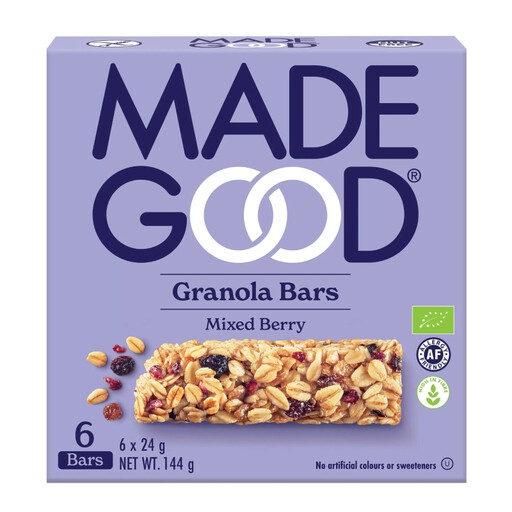
Why this fits the profile: An individually wrapped granola bar with a berry flavour for school, the office or a bag on the go.
The product information mentions organic origin and allergens; always check the current packaging if you have allergies.
Vegan according to the product description, with 8 grams of fat and 0.11 grams of salt per 100 grams.
Breakfast doesn’t always have to be based on cereals. Wholegrain bread, crispbread, rusks and biscuits can be a practical addition. g’woon Wholemeal Crispbread lists 14 grams of fibre per 100 grams. Bolletje Wholegrain Rusk lists 11 grams of fibre and 15 grams of protein per 100 grams. With biscuits, pay extra attention to sugar, fat and portion size: McVities Digestive Original lists 483 kcal and 15.1 grams of sugars per 100 grams.
For families, variety is handy: porridge oats for a warm morning, granola with yoghurt when you need something quick, and wholegrain bread or crispbread for a savoury breakfast. That way, you avoid letting a single marketing claim determine your entire purchase.
We’ve put together a full, up-to-date list of products that fully meet these strict selection criteria and comply with current European safety regulations.
No. Porridge oats usually consist of rolled or cut oats and are often prepared hot. Granola is a crunchy cereal mix that is typically toasted and often contains oil, sugar, chocolate or syrup. So compare the ingredients and nutritional values per 100 grams.
Check the best-before date on the packaging. Store opened breakfast cereals and bars in a cool, dry place, tightly sealed, away from direct sunlight and moisture. Individually wrapped muesli bars are practical for your store cupboard, but don’t use a product if the packaging is damaged.
An individually wrapped muesli bar or granola bar is easy to take with you. Check the portion size, sugar content, fibre and allergens beforehand. For a more filling option, you can combine a bar with fruit, yoghurt or a wholegrain sandwich.
