
Vandaag of morgen in huis

Kwaliteit gegarandeerd

Welkomstaanbiedingen ontgrendelen: GRATIS bezorging | Tot 80% korting | Gratis 30 dagen JoyPlus-proefperiode
Download de app
A box of breakfast cereal might seem simple to pick. Yet packaging and marketing claims can be misleading. A product labelled “natural”, “zero sugar” or “high in fibre” doesn’t automatically suit your breakfast, budget or family.
So pay close attention to the nutritional information table, ingredients list, allergens and preparation method. That way, you can compare muesli, porridge oats, granola and wholegrain cereals in a reliable way.
Dried fruit, fruit powders or granola can contain naturally occurring sugars. For example, Quaker Cruesli Zero Sugar Added Apple, Pecan and Cinnamon states no added sugars or sweeteners, but according to the product information it still contains 5 grams of sugar per 100 grams.
So don’t just look at the front of the packet. Check the of which sugars line per 100 grams and see whether ingredients such as syrup, sugar, dates or dried fruit appear on the list.
A 838-gram pack may contain several sachets, but sometimes it also includes a separate supplement. With various Family products, the pack consists of 700 grams of breakfast product and 138 grams of pure glucose. So compare the contents of the product you actually eat for breakfast, not just the total weight on the front.
Nutritional values are usually given per 100 grams. A portion can differ significantly from that. What’s more, granola often contains more energy per 100 grams than simple porridge oats, partly due to oil, nuts and seeds. That doesn’t make granola unsuitable, but portion size does matter.
For a high-fibre breakfast you can compare the fibre value per 100 grams. The range includes, for example:
A high fibre value can therefore come from different ingredients. So also read the ingredients list. If you’re mainly looking for a simple product, you can choose breakfast cereals with one main ingredient, such as oats or wholegrain wheat.
Use the nutritional information table to compare products:
A brand claim about, for example, satiety, cholesterol or a health benefit shouldn’t be taken as a personal result. According to the brand’s product information, certain oat products contain beta-glucans; however, the effect depends on your overall diet and your usual portion.
For a quick breakfast solution, ease of use and portion packaging are often decisive. Check:
If you choose breakfast cereals with nuts and fruit, pay extra attention to hazelnuts, almonds, pecans, peanuts and possible traces of other nuts. For gluten intolerance, oats, wheat, barley, rye and spelt are important points to consider.
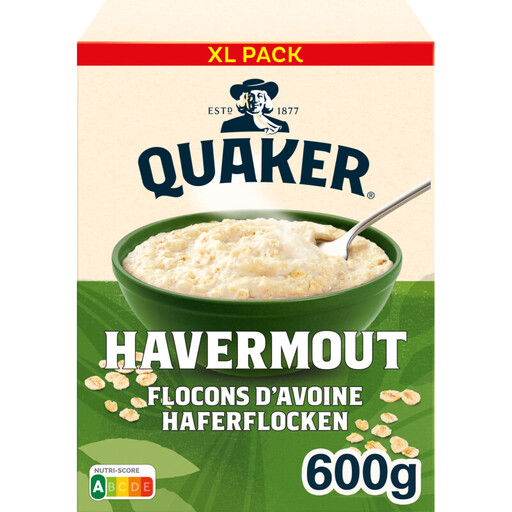
Why this suits the profile: The ingredients list states 100% wholegrain oats. You can prepare it hot with water or milk and add your own fruit, cinnamon or nuts.
The short ingredients list makes it easier to check for sugar and flavourings.
9 grams of fibre, 11 grams of protein and 1.1 grams of sugar per 100 grams according to the product label.
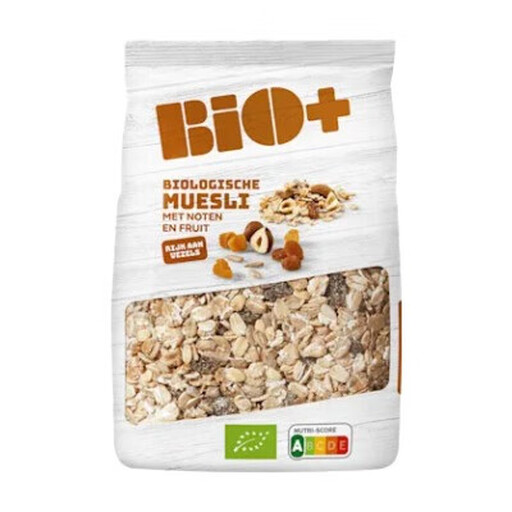
Why this suits the profile: This organic blend combines wholegrain flakes, seeds, nuts and dried fruit. You can eat it with yoghurt or milk, or use it as a topping.
The product information states 0 grams of added sugars; the total sugar value is 20.8 grams per 100 grams due to dried fruit among other ingredients.
9 grams of fibre and 10.9 grams of protein per 100 grams; contains hazelnuts and almonds.
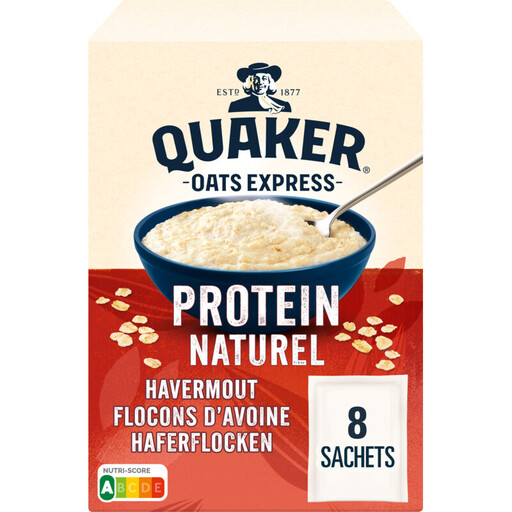
Why this suits the profile: This is a practical choice for athletes or busy adults who want a high-protein breakfast ready in no time.
According to the product description, preparation takes around 2 minutes and the ingredients list is limited to oats, soya protein and soya lecithin.
22 grams of protein, 7.2 grams of fibre and 1.2 grams of sugar per 100 grams according to the label.
If you’re mainly looking for sugar-free breakfast cereals, check the difference between “0 grams of sugar” and “no added sugar”. Products with dates, raisins or glucose can still contain sugars. For a crunchy texture, granolas are suitable, but TastyBasics Granola Chocolate & Nuts, for example, contains 19 grams of fat and 425 kcal per 100 grams. Holie’s Granola Low Carb Crunch states 22 grams of protein, 16 grams of fibre and 3.2 grams of sugar per 100 grams, but also contains 33 grams of fat.
For families, Weetabix can be practical thanks to its simple preparation with milk, yoghurt or fruit. If you want a warm breakfast bowl without cooking, you can use Brinta Wake Up Natural; according to the product description, this drink is ready in about one minute with warm or cold water. Do check the allergens for each product, especially when children are eating.
We’ve put together a full, up-to-date list of products that fully meet these strict selection criteria and comply with current European safety regulations.
That varies by product. In the product information mentioned, Quaker Cruesli Zero Sugar Added contains 24 grams of fibre per 100 grams, TastyBasics Granola Chocolate & Nuts contains 28 grams and Quaker Oats Express Protein contains 7.2 grams. Always compare the same unit and pay attention to the portion.
No. Porridge oats usually consist of oats in flake or flour form. Muesli is a mix of grains, nuts, seeds and often dried fruit. Granola is typically toasted and may contain oil or sweeteners. The ingredients list determines exactly what’s in your product.
Choose a product with a clear wholegrain base and add your own fresh fruit, yoghurt, milk, seeds or nuts. That way, you have more control over the sweetness and portion size than when all the toppings are already mixed into a sweet blend.
