
Vandaag of morgen in huis

Kwaliteit gegarandeerd

Welkomstaanbiedingen ontgrendelen: GRATIS bezorging | Tot 80% korting | Gratis 30 dagen JoyPlus-proefperiode
Download de app
Breakfast cereals might seem simple to choose. Yet oatmeal, muesli, granola, wholegrain cereals and crunchy cereals differ greatly in composition, preparation and nutritional value. An attractive packet doesn’t always tell you how suitable a product is for your daily routine.
The most common pitfalls:
Portion sizes vary from brand to brand. That’s why the nutritional information table per 100 grams is a practical starting point. Products with relatively high fibre content often suit those looking for a filling breakfast. For a protein-rich breakfast, you can also look at the protein content and the ingredients, such as soya, nuts or seeds.
For comparison:
Please note: nutritional values are not personal dietary advice. Your overall eating pattern and the portion you choose remain the deciding factors.
Ingredients are usually listed from most to least. If sugar, syrup or glucose appears early in the list, it forms a relatively large part of the product. With cereals containing fruit and nuts, it’s useful to check how much fruit or nuts are actually present.
B+ Muesli Nuts and Fruit lists, among other things, 22% dried grapes, 5% apricot, 1.5% hazelnuts and 1% almonds. The product description also mentions 9 grams of fibre, 10.9 grams of protein and 0 grams of added sugars per 100 grams. Always check the actual packaging, especially if you have allergies.
Not every bowl of cereal is meant to be prepared the same way:
Also check whether you need to prepare a product dry, with cold milk or with boiling water. Individual instant portions are particularly practical for work, travel or a quick breakfast at home.
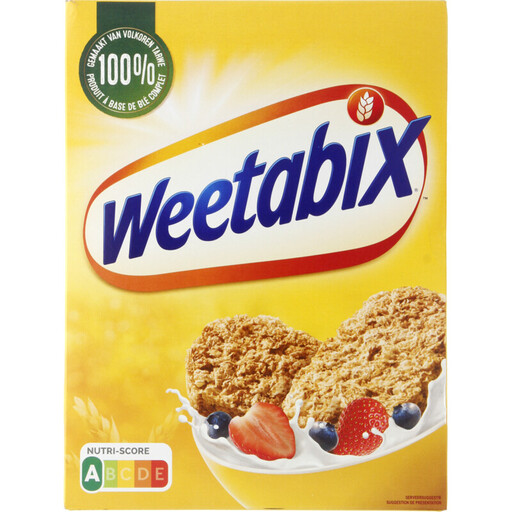
Why this suits the profile: A straightforward choice for anyone looking for a simple wholegrain breakfast without extra toppings or complicated preparation.
The product information states 95% wholegrain cereals and 4.2 grams of sugars per 100 grams. This means you can compare the composition directly with other breakfast cereals.
10 grams of fibre and 12 grams of protein per 100 grams; can be combined with milk, yoghurt, fruit or honey.
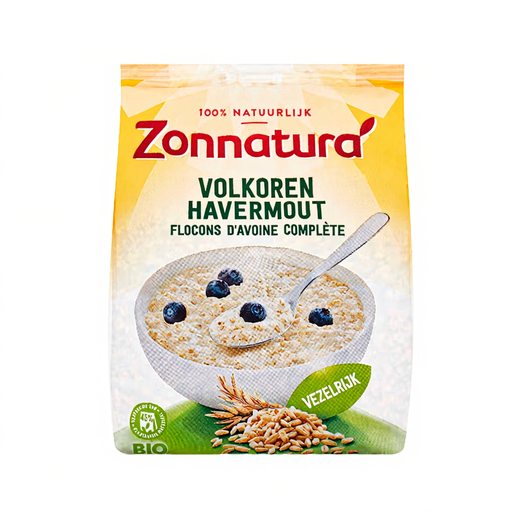
Why this suits the profile: Ideal for those looking for organic oatmeal with a short ingredients list and low sugar content.
The ingredients list shows organic wholegrain oat flakes as the base. The table states 1.7 grams of sugar and 11 grams of fibre per 100 grams.
Organic certification according to the product information; 500 gram pack and suitable for warm oatmeal.
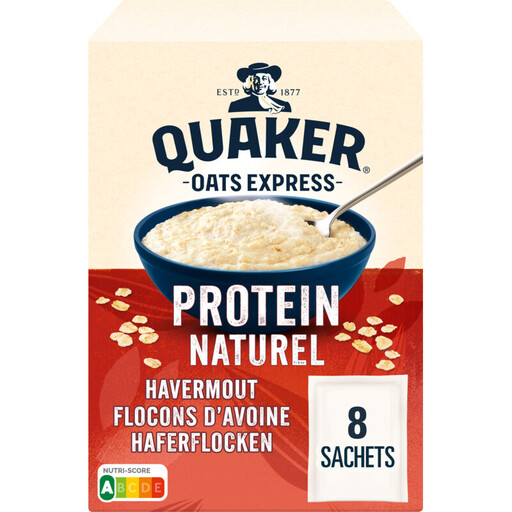
Why this suits the profile: A practical option for athletes or busy workdays, when protein and a short preparation time matter.
The product information states 85% wholegrain oatmeal and 15% soya protein. If you have a soya allergy, check the allergen information on the packaging.
22 grams of protein per 100 grams; according to the product information, ready in two minutes and with no added sugars.
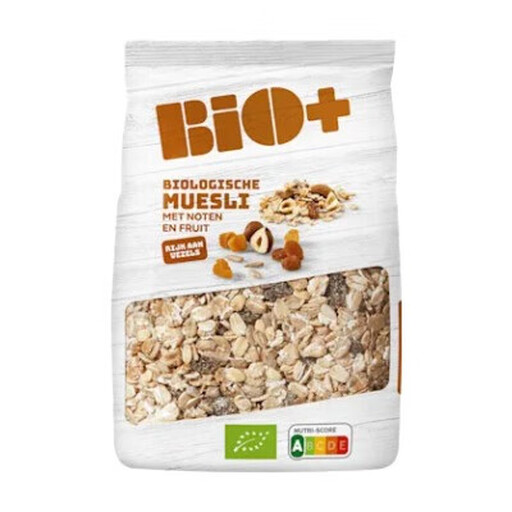
Why this suits the profile: A versatile muesli for anyone who wants to combine grains, dried fruit, nuts and seeds in one bowl.
The product description specifies the percentages of fruit and nuts and states 0 grams of added sugars. Check the nut allergens carefully.
9 grams of fibre and 10.9 grams of protein per 100 grams; can be used with milk, yoghurt or as a topping.
We’ve put together a full, up-to-date list of products that fully meet these strict selection criteria and comply with current European safety regulations.
That varies from product to product. In the selection mentioned, Zonnatura oatmeal and Weetabix list 11 and 10 grams of fibre per 100 grams respectively. Brinta also lists 10 grams of fibre per 100 grams. Always compare the same unit and check the actual packaging.
Organic refers to the production method and certification, not automatically to the sugar, fat or fibre content. So alongside the organic label, also look at the ingredients list, nutritional information table and allergen information.
Store oatmeal, muesli and granola in a cool, dry place away from direct sunlight. Seal the packaging well to prevent moisture and loss of crunchiness. Do not use the product if the packaging is damaged and check the best-before information on the packaging.
