
Vandaag of morgen in huis

Kwaliteit gegarandeerd

Welkomstaanbiedingen ontgrendelen: GRATIS bezorging | Tot 80% korting | Gratis 30 dagen JoyPlus-proefperiode
Download de app
Breakfast cereals may seem easy to choose, but packaging often uses terms that do not tell the whole story. For example, a product labelled “0% added sugar” may still contain naturally occurring sugars. And packaging featuring a large piece of fruit or chocolate on the front may contain only a small proportion of those ingredients.
As a Joybuy Product Recommendation Officer, I filter the most important information from product labels, so you can compare breakfast cereals based on ingredients, nutritional values, allergens and ease of use.
For granola and muesli, 0% added sugar means that, according to the product description, no extra sugar has been added to the recipe. This does not automatically mean that the product contains no sugars. Dried fruit, syrups or other ingredients may contribute to the sugar content.
Therefore, always compare the “of which sugars” per 100 grams value. For example, Holie's Granola Nuts & Seeds lists 2.1 grams of sugars per 100 grams, while the ingredients list does not mention added sugar. Kellogg's Chocos contains 22 grams of sugars per 100 grams.
Terms such as high-fibre breakfast cereals, “high-protein” or “whole grain” are only useful when you consider them alongside the nutritional information table. Look at:
For example, TastyBasics Granola Chocolate & Nuts lists 21 grams of protein and 28 grams of fibre per 100 grams. The ingredients list starts with soya flakes and oat flakes. This provides more context than simply looking at the front of the packaging.
Many breakfast cereals contain gluten, milk, soya or nuts. Even “gluten-free granola” requires you to check the full allergen information. Holie's Granola Glutenfree Peanut Chocolate lists gluten-free wholegrain oat flakes, but does contain peanuts and may contain traces of various nuts and soya.
Also pay attention to the difference between an individual bag and a multipack. Six 350-gram packs may be convenient for a family, but less suitable if you want to try a flavour first.
Use the nutritional information per 100 grams as a consistent benchmark. This allows you to compare a 330-gram chocolate muesli fairly with a 2,100-gram bag of granola, even when the recommended serving sizes differ.
A few practical points to consider:
Brands’ claims about nutritional benefits should be read as information from the product description. Always check the label on the packaging, as the ingredients and nutritional values may change.
Crunchy muesli and granola are generally toasted or baked and work well with yoghurt, quark or milk. Regular muesli often contains more flakes and dried fruit and has a softer texture. Porridge oats are suitable for a hot breakfast, while instant oat sachets are mainly designed for speed and convenience.
Muesli bars are practical when you are out and about. Check the serving size, too: the Hero Coconut Muesli Bar comes as 6 bars of 25 grams. The nutritional information per 100 grams lists 28 grams of sugars and 22 grams of fat, meaning this product may be considered more of a snack than a complete breakfast component.
When choosing vegan, gluten-free or organic products, always check three things:
For example, a product may contain gluten-free oats but still contain peanuts or soya. If you have an allergy to gluten, nuts or milk, “may contain” information is relevant. If in doubt, consult the current packaging and the manufacturer’s details.
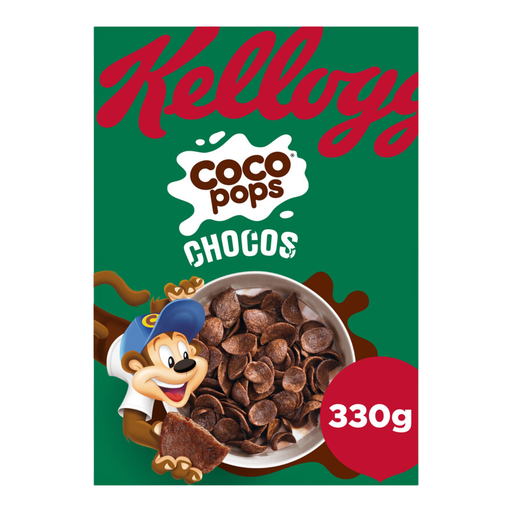
Why it suits this profile: A familiar chocolate flavour and a 330-gram pack make this an approachable choice for families wanting to try a new type of breakfast cereal.
The product information lists 22 grams of sugars and 6 grams of fibre per 100 grams. This means you can weigh up the chocolate flavour against the nutritional values instead of relying solely on the packaging.
Wheat shells with chocolate flavour, 10 grams of protein and 6 grams of fibre per 100 grams according to the product information.
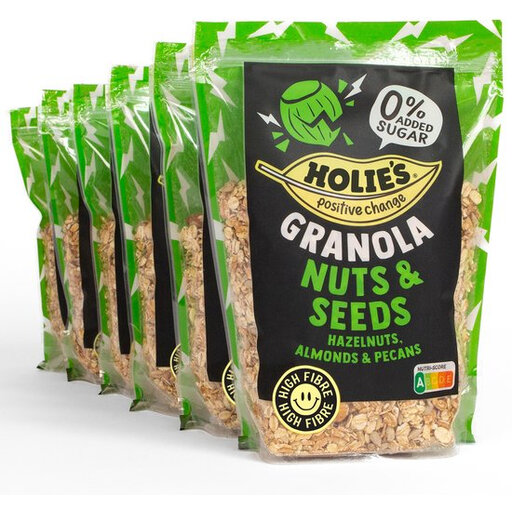
Why it suits this profile: This multipack is suitable for households that regularly enjoy granola with nuts and seeds alongside yoghurt, quark or fruit.
The table lists 2.1 grams of sugars, 15 grams of fibre and 13 grams of protein per 100 grams. The ingredients include oats, barley, spelt, almonds, hazelnuts and pecans.
0% added sugar according to the product description, plus a mix of nuts and seeds. Check the listed allergens.
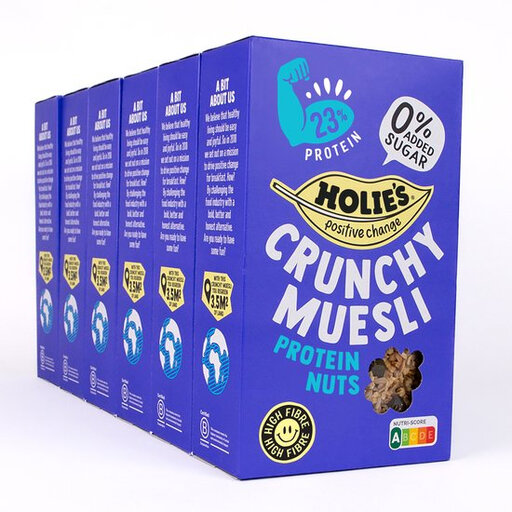
Why it suits this profile: This crunchy muesli is suitable for athletes and active users who consciously consider the protein content per 100 grams when choosing their breakfast.
The product information lists 22 grams of protein, 21 grams of fibre and 2.1 grams of sugars per 100 grams. However, check the current table, as different values are given in the supplied information.
Multipack of 6 x 400 grams, with wholegrain oats, wheat protein, sunflower seeds and pumpkin seeds. Contains gluten, almonds and hazelnuts.
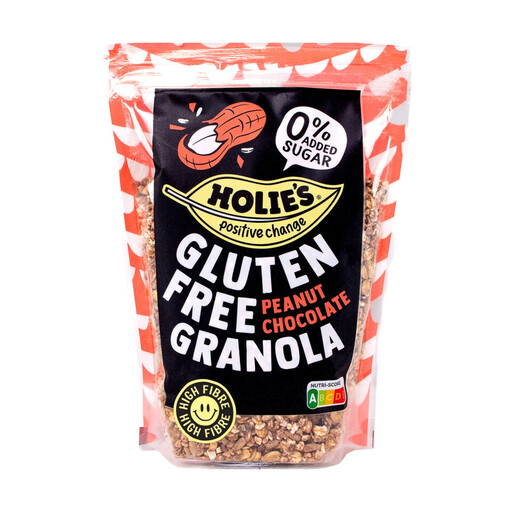
Why it suits this profile: A compact bag for anyone looking for gluten-free granola with cocoa and peanut flavour, and who prefers to prepare their own portion.
The product information lists 4 grams of sugars, 14 grams of fibre and 15 grams of protein per 100 grams. The allergen information makes it clear that peanuts are present.
Gluten-free wholegrain oat flakes listed as an ingredient, 330 grams per pack and 0% added sugar according to the product description.
We have put together a complete, up-to-date list of products that fully meet these strict selection criteria and the applicable European safety regulations.
Granola is usually crunchy because the ingredients have been toasted or baked. Muesli often consists of flakes, nuts and dried fruit and has a less crunchy texture. The exact composition varies from brand to brand, so always check the ingredients and nutritional values.
That depends on your portion size and your food choices throughout the day. Compare the sugar, fibre and fat content per 100 grams. Chocolate muesli and chocolate breakfast cereals can certainly form part of a varied diet, but a high-sugar variety is not the same as a high-fibre or high-protein granola.
Store the packaging in a cool, dry place away from direct sunlight and moisture. Seal the bag securely after each use or use an airtight storage container. Check the best-before date on delivery and do not use a product if its packaging is damaged.
