
Vandaag of morgen in huis

Kwaliteit gegarandeerd

Welkomstaanbiedingen ontgrendelen: GRATIS bezorging | Tot 80% korting | Gratis 30 dagen JoyPlus-proefperiode
Download de app
When you search online for breakfast cereals and grains, you quickly come across terms such as wholegrain, high-protein, organic and no added sugar. These descriptions can be useful, but they do not always tell the whole story. The ingredients list, nutritional information and allergen details provide a more reliable picture.
Whether you are looking for muesli, granola, porridge oats, Brinta, wholegrain breakfast cereals, organic breakfast cereals, rice, brown rice, bulgur or quinoa, compare products based on specific information rather than just the front of the packaging.
A product can contain no added sugar and still have naturally occurring sugars. Dried fruit, such as raisins or apricots, contributes to the sugar content, for example. So check the “of which sugars” per 100 grams figure as well as the ingredients list.
With granola, portion size also plays a part. Granola often contains oil, nuts and seeds. This can create a satisfying texture, but it can also mean a higher energy content per 100 grams.
Check which grain appears first in the ingredients list. For example, the label on Brinta Whole Wheat Cereal Breakfast states 100% wholegrain wheat. According to the product information, Quaker Oatmeal is made from 100% wholegrain oats.
The composition can be different in a multigrain mix. “Multigrain” does not automatically mean that every grain is wholegrain. The exact percentages and descriptions on the label are what matter.
Oats, wheat, barley, rye, spelt, soya, peanuts and nuts are commonly found in breakfast cereals. Always check the allergen information shown in bold. Cross-contamination is also relevant: “may contain traces of” is not a detail to ignore if you have an allergy.
Also pay attention to differences between pack size and contents. Some offers consist of several bags, such as 6 x 400 grams or 4 x 5 kilograms. So compare the price per kilogram, not just the price of the pack.
For a practical comparison, use the nutritional information per 100 grams. Examples from the range include:
A higher figure is not automatically right for everyone. Also consider taste, preparation method, sugar content, fats and allergens.
When choosing organic breakfast cereals, look for the organic designation and certification mark on the current packaging. B+ Muesli Nuts and Fruit is described as a mix containing organic ingredients, including wholegrain flakes, dried fruit, seeds and nuts. The nutritional information lists 9 grams of fibre, 10.9 grams of protein and 0 grams of added sugar per 100 grams.
Combined with milk, yoghurt or quark, muesli is ready to eat straight away. You can also use the mix as a topping for a smoothie bowl. As it contains hazelnuts, almonds and gluten-containing grains, this product is not suitable for everyone.
Porridge oats are suitable for a hot breakfast, but not every variety takes the same amount of time to prepare. Fine oats are generally ready quickly; Quaker Oats Express Protein, for example, states a preparation time of 2 minutes. According to the product information, the product contains 85% wholegrain oats and 15% soya protein.
For rice, bulgur and quinoa, the cooking method is particularly important. Brown rice and multigrain rice often require more preparation than white rice. SAWAT-D Multi Grain Rice, for example, is prepared by rinsing the rice, soaking it briefly and then cooking it in a rice cooker.
Store dry grains in a cool, dry place away from direct sunlight. Seal the packaging securely after opening and do not use the product if the packaging is damaged. The use-by or best-before information on the packaging takes precedence.
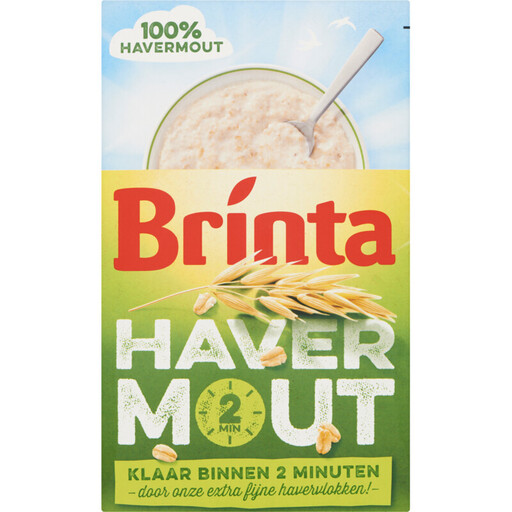
Why it suits this profile: A simple 100% oat option for a hot breakfast with water, milk or fruit.
The ingredients list is short: 100% oat flakes. This makes hidden sweeteners and complex mixes easy to check.
9.7 grams of fibre and 13 grams of protein per 100 grams according to the product information; fine flakes for quick preparation.
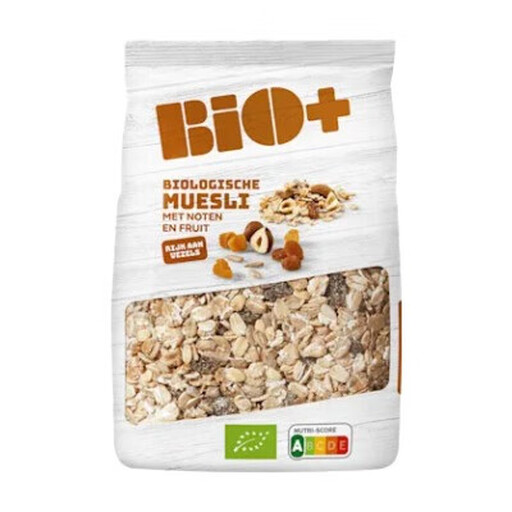
Why it suits this profile: For anyone looking for an organic muesli mix with fruit, nuts and seeds.
The product information states 0 grams of added sugar. However, check the natural sugar content of 20.8 grams per 100 grams.
According to the description, it contains organic ingredients, 9 grams of fibre and 10.9 grams of protein per 100 grams.
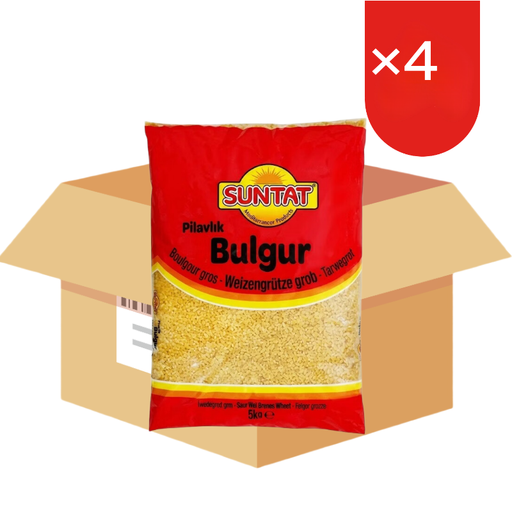
Why it suits this profile: A bulk pack for households, catering businesses or anyone who prepares bulgur frequently as an alternative to rice and pasta.
The composition is clearly stated as cracked wheat. You know in advance that the product contains gluten.
4 x 5 kilograms; according to the nutritional information, 12.5 grams of protein per 100 grams and virtually no sugar.
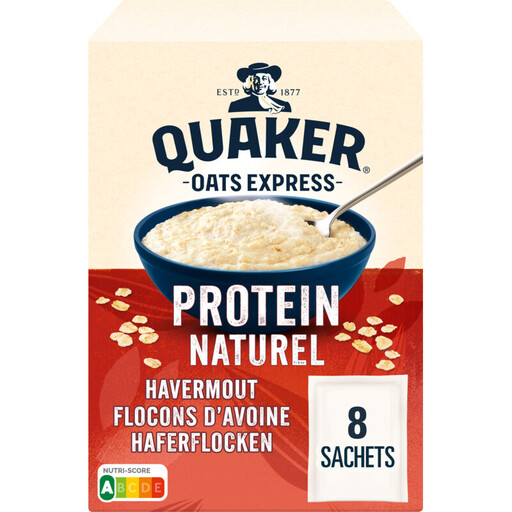
Why it suits this profile: For anyone looking for a quick breakfast with extra protein, for example on busy working days.
The product information states 0 grams of added sugar and clearly gives the ratio of oats to soya protein.
22 grams of protein per 100 grams according to the label; prepared in around 2 minutes according to the product description.
We have put together a complete, up-to-date list of products that fully meet these strict selection criteria and the applicable European safety regulations.
Start by checking the ingredients list, followed by the sugar content per 100 grams. Products such as plain porridge oats and some muesli or granola varieties state 0 grams of added sugar. This does not mean they contain no natural sugars. Dried fruit can increase the sugar content.
Store dry products in a cool, dry cupboard, protected from moisture, heat and sunlight. Seal opened packaging securely. For products containing nuts, seeds or dried fruit, an airtight storage container is practical. Always follow the storage-life information on the packaging.
A bulk pack may offer a lower price per kilogram, but only if you use the product before its best-before date. Compare the price per kilogram and take storage space into account. For a first purchase, a 250 to 600 gram pack is often more practical than buying several kilograms straight away.
