
Vandaag of morgen in huis

Kwaliteit gegarandeerd

Welkomstaanbiedingen ontgrendelen: GRATIS bezorging | Tot 80% korting | Gratis 30 dagen JoyPlus-proefperiode
Download de app
A bag of porridge oats, muesli or granola may seem straightforward to choose. Yet marketing claims and unclear labels can lead you to pay more for a product that does not suit your eating habits. The same applies to brown rice, multigrain rice, bulgur and quinoa: the name does not always tell you enough about the ingredients, preparation method or allergens.
As a Joybuy Product Recommendation Officer, I filter the most important information from product descriptions, so you can compare products with confidence. Pay particular attention to these three common pitfalls.
A product may contain no added sugar but still contain naturally occurring sugars. You can see this, for example, in muesli with raisins and dried fruit. B+ Muesli Nuts and Fruit states that it contains 0 grams of added sugars, but according to the nutritional information it contains 20.8 grams of sugars per 100 grams.
So do not just look at the front of the packaging. Always check the “of which sugars” line in the nutrition table. Granola and cruesli may also contain glucose syrup, honey or sugar in the ingredients list.
Fibre is an important comparison point for a wholegrain breakfast, but a high fibre content does not automatically make a product suitable for everyone. Nuts, seeds and oil often increase the fat and energy content. According to the product information, Holie's Granola Nuts & Seeds contains 15 grams of fibre and 13 grams of protein per 100 grams, but also 420 kcal.
Use a consistent portion size and compare products per 100 grams. This helps prevent a generous bowl of granola from providing a surprisingly high amount of energy.
If you have coeliac disease, an allergy or an intolerance, pay close attention to the allergen information. A product description may contain contradictory information. For example, Leev Dutch Oatmeal is labelled “gluten-free”, while the same information also states that the product contains gluten. In such cases, check the packaging and contact the seller or manufacturer if you are unsure.
Oats may also be listed as an allergen. Muesli containing wheat, barley, rye, spelt, nuts, soya or milk requires extra care.
Look at the first ingredients: these are listed in descending order by quantity. For a wholegrain breakfast, wholegrain oats, wholegrain wheat or other wholegrains are a sensible starting point. For example, Quaker Cruesli 4 Nuts lists 33% wholegrain oats and 19% wholegrain wheat. The product information also states that it contains 10.7% nuts.
With muesli, granola and cruesli, the main differences are in the ingredients and processing:
For a fair comparison, check at least:
For example, Quaker Oatmeal states that it contains 9 grams of fibre, 11 grams of protein and 1.1 grams of sugars per 100 grams. Quaker Oats Express Protein states that it contains 22 grams of protein, but also contains soya. These figures come from the product information provided and are not personal nutritional advice.
A breakfast product should fit into your morning routine. Fine porridge oats are ready in just a few minutes, while Chuanzhen Corn Bran must be cooked first and should not be eaten raw. Multigrain rice requires rinsing, soaking and cooking in a rice cooker.
Also check:
A bulk pack is convenient for families or frequent users, but only if you use the product regularly and can store it in a dry place.
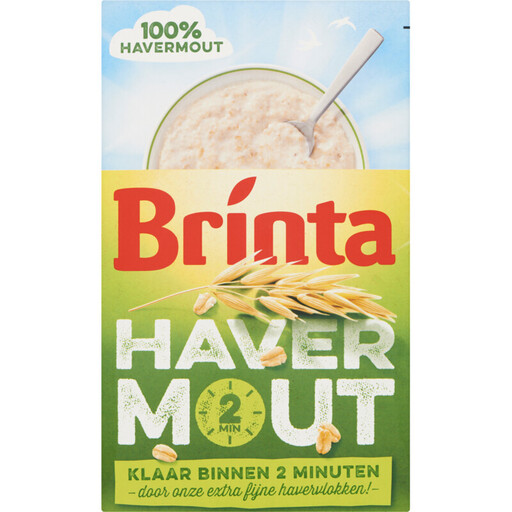
Why it suits this profile: A simple base for a warm breakfast with water, milk or fruit. The ingredients list states 100% oat flakes.
No long list of syrups, fruit or nuts: the ingredients are easy to understand. However, check the stated wheat and gluten allergens.
10 g of fibre and 14 g of protein per 100 g according to the product information; suitable for hot preparation.
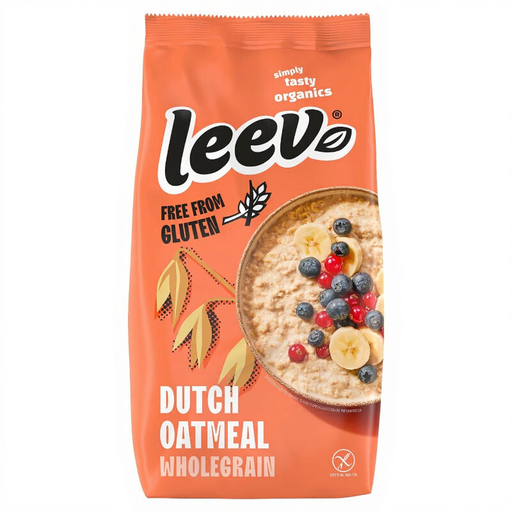
Why it suits this profile: According to the product description, this is organic wholegrain porridge oats with a short ingredients list.
The ingredients list states 100% organic porridge oats. Because the gluten information is contradictory, checking the physical label is essential.
10 g of fibre and 14 g of protein per 100 g; can be eaten cold with milk, yoghurt or quark.
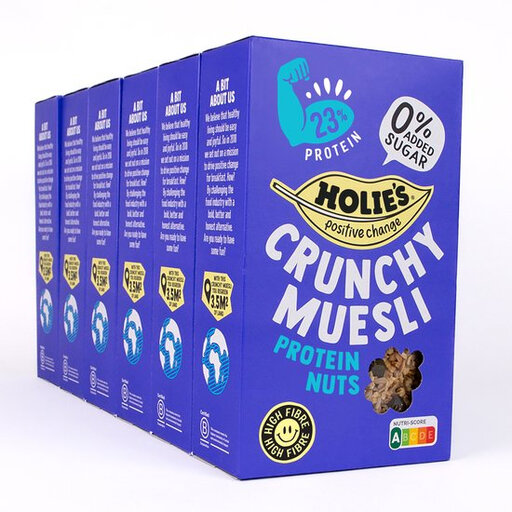
Why it suits this profile: The multipack is practical for households that regularly have a high-protein granola for breakfast.
The nutritional information states 0.02 g of salt and 2.1 g of sugars per 100 g. However, be aware of nuts, wheat and possible traces of other allergens.
22 g of protein and 21 g of fibre per 100 g according to the product information provided; pack of 6 x 400 g.
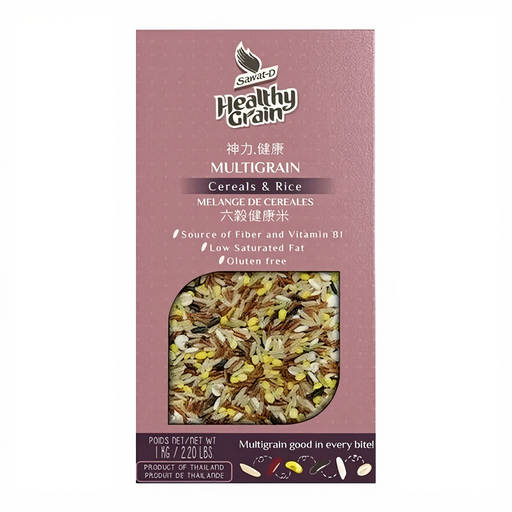
Why it suits this profile: A cupboard staple for meals, bowls and rice dishes rather than just a sweet breakfast.
The product description gives preparation instructions involving rinsing, soaking and cooking. This makes it clear from the outset that it is not an instant product.
1 kg pack; according to the product information, 10 g of protein and 4.1 g of fibre per 100 g.
We have put together a complete, up-to-date list of products that fully meet these strict selection criteria and the applicable European safety regulations.
That depends on your preferences and portion size. Porridge oats with yoghurt, milk and fruit are easy to put together. With muesli and granola, pay particular attention to fibre, sugars, fats and allergens. A product containing wholegrains can form part of a varied diet, but no label alone can determine what is right for you.
Store porridge oats, muesli and granola in a cool, dry place in a well-sealed container, away from sunlight and moisture. You will find the exact shelf life on the packaging. Always check the smell and appearance to make sure the product is still normal. If the packaging is damaged, it is better not to use the product.
Bulgur is precooked, cracked wheat and contains gluten. Quinoa is a seed used as a grain and has a mild, slightly nutty flavour. Brown rice is less highly refined than white rice. Always check the full ingredients list for multigrain rice, as the composition may vary between products or batches.
