
Same-day & Next-day Delivery

Quality Guaranteed

Unlock Your Welcome Offers: FREE Delivery | Up to 80% OFF | Free 30-day JoyPlus trial
Download the APP
Would you like to buy breakfast cereals and flour, but find that terms such as “high in fibre”, “wholegrain”, “natural” and “no added sugars” make it difficult to see what you are actually getting? Packaging often features appealing claims, while the ingredients, serving size or allergens are less obvious.
For Dutch families, these are the three main pitfalls to watch out for:
The right choice therefore starts not with the front of the packaging, but with the ingredients, nutritional values, allergens and intended use.
Compare products per 100 grams, not just per serving. This makes it easier to see which product contains relatively more fibre, sugar, fat, protein or salt. A serving of muesli is not always the same size as a serving of porridge oats, either.
With muesli containing nuts and fruit, it is useful to check how much fruit, nuts and seeds have actually been added. For example, BIO+ B Muesli Nuts and Fruit lists 22% dried grapes, 5% apricot, 1.5% hazelnuts and 1% almonds. According to the product information, this mix contains 9 grams of fibre and 20.8 grams of sugars per 100 grams. The statement “0 g added sugars” therefore does not mean that the product contains no sugar.
For high-fibre breakfast cereals, you can compare the fibre content per 100 grams directly. Quaker Cruesli Nuts & Seeds lists 23 grams of dietary fibre per 100 grams, while Quaker Oatmeal lists 9 grams. The products therefore have clearly different nutritional profiles and are suited to different occasions.
Porridge oats and wholegrain porridge oats are suitable for porridge, overnight oats and use in smoothies or baking recipes. According to the ingredients list, Quaker Oatmeal consists of 100% wholegrain oats and provides 11 grams of protein and 9 grams of dietary fibre per 100 grams. Zonnatura Organic Wholegrain Oatmeal also consists of wholegrain oats and lists 11 grams of fibre per 100 grams.
With granola and crunchy breakfast cereals, the main considerations are texture and flavour. According to the packaging, Quaker Cruesli Red Fruits contains 36% wholegrain oats and 21% wholegrain wheat, with dried strawberry and raspberry. Quaker Cruesli Chocolate contains 37% wholegrain oats and 12% dark chocolate. With these varieties, always check the sugar and fat content.
Not all flour works in the same way. Pay attention to these differences:
According to the product information, Pillsbury Wholewheat Chakki Atta is made from 100% wholemeal wheat flour and contains 12 grams of dietary fibre per 100 grams. For a household that regularly makes roti or bread, a 5 kg or 10 kg pack can be practical. However, store such a large pack in an airtight, dry place.
Also consider the grind. Angelo Semoule Fine is a fine 1 kg semolina, while Angelo Semoul Semolina Moyen is a medium-coarse variety. The grain size affects the texture of the finished result.
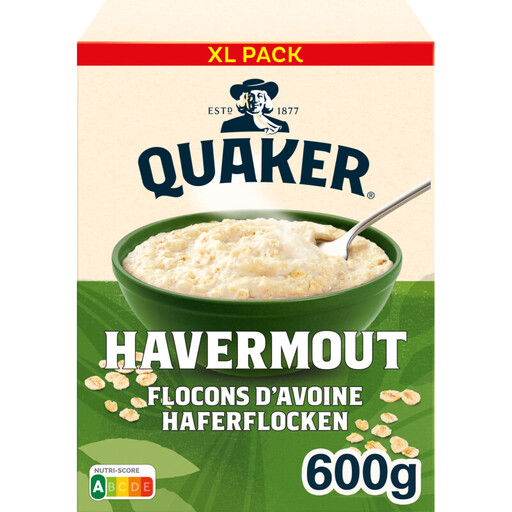
Why it suits this profile: A straightforward pack containing 100% wholegrain oats according to the product information, suitable for porridge and everyday breakfasts.
The ingredients list is short and makes it clear that this is wholegrain oats, with no flavour mix or chocolate.
600 g pack, 100% wholegrain oats and 9 g of fibre per 100 g according to the label.
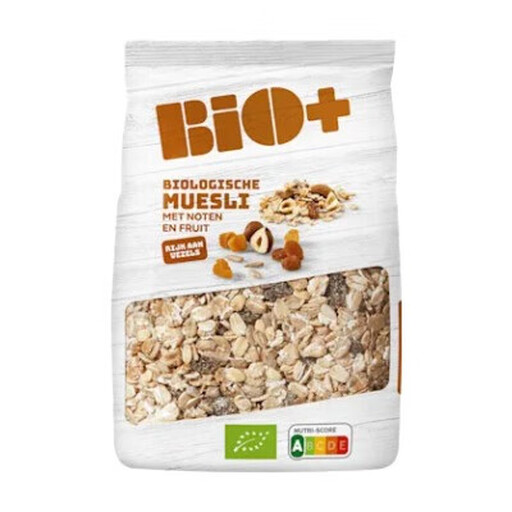
Why it suits this profile: For anyone looking for an organic muesli mix with grains, dried fruit, nuts and seeds.
The product information lists both ingredient percentages and nutritional values, so you can check the fruit and nut content.
450 g pack, 9 g of fibre per 100 g and, according to the label, no added sugars.
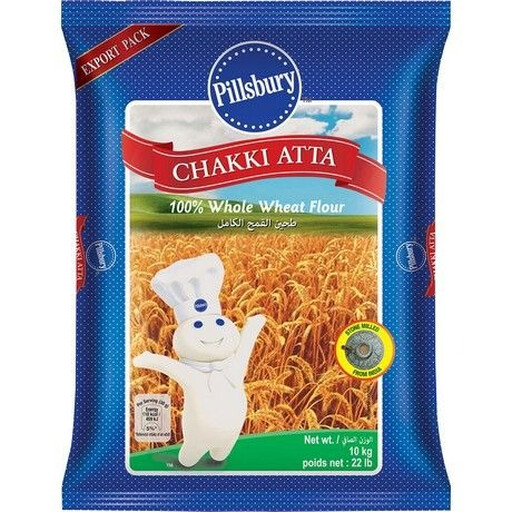
Why it suits this profile: Designed for households that regularly make roti, chapati, paratha or other dough-based products.
The product description specifies 100% wholemeal wheat and the traditional chakki process, rather than making a vague flour claim.
10 kg contents, suitable for roti and, according to the product information, 8–10 g of dietary fibre per 100 g.
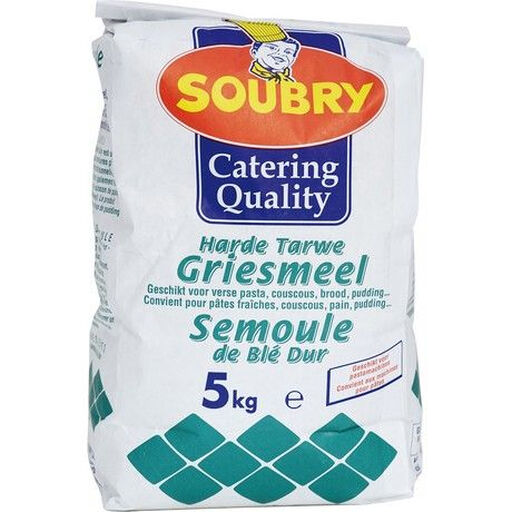
Why it suits this profile: A generous supply for anyone who regularly prepares semolina, pasta or baking recipes using durum wheat semolina.
The product information specifies 100% durum wheat semolina and a 5 kg pack, making its intended use clearer.
Fine durum wheat semolina, 5 kg contents and, according to the product information, 10.2 g of protein per 100 g.
Most products in this category contain or may contain traces of gluten-containing grains. Also check for soya, milk, nuts, sesame and peanuts. This is particularly important with muesli containing nuts and fruit, mixed instant porridge oats and multigrain atta.
Store breakfast cereals and flour in a cool, dry and dark place. Seal the pack carefully after every use. An airtight storage container is useful for large bags of wholemeal flour. Do not use the product if the packaging is damaged, and check the best-before information on the pack.
We have put together a complete, up-to-date list of products that fully meet these strict selection criteria and the applicable European safety regulations.
Muesli is usually an unbaked mix of grains, dried fruit, nuts and seeds. Granola is generally baked and may contain oil, syrup or sugar, giving it a crunchy texture. Porridge oats consist of oats and are suitable for porridge, overnight oats and baking recipes. Always check the ingredients list, as the composition varies from product to product.
This depends on the product and the packaging. Dry products generally remain usable until the date on the packaging when stored in a cool, dry, sealed place. Wholemeal flour contains more parts of the grain and therefore requires extra care with temperature and moisture. If in doubt, check the smell, colour, lumps and best-before date.
A large pack may work out cheaper per kilogram, but only if you use the product in good time and can store it properly. Compare the price per kilo and take storage space, shelf life and the risk of waste into account. For occasional baking, 500 grams or 1 kg is often more practical; for making roti, bread or pasta regularly, 5 kg or 10 kg may make more sense.
