
Families who regularly eat breakfast together at the weekend
If several people have breakfast together on one or both days at the weekend, the number of servings on the pack is more useful for planning than the pack’s weight alone.


Choose a family-size pack of breakfast cereal based on how many people will be eating, how many breakfasts you need to cover and the number of servings on the label – not just the pack’s weight. Then compare the nutrition information per 100 g. A large bag of muesli might suit a shared cold breakfast, while cruesli, a smaller pack or a hot cereal breakfast may better match your household’s preferences and allergens.
If several people have breakfast together on one or both days at the weekend, the number of servings on the pack is more useful for planning than the pack’s weight alone.
If you want to compare breakfast cereals by fibre, sugars, salt and ingredients, you can compare their nutrition information per 100 g. The Netherlands Nutrition Centre recommends this basis for comparison because serving sizes can vary between products.
At the same table, one person might want cold, crunchy cereal while another prefers hot porridge. If anyone needs to avoid certain ingredients, the up-to-date allergen information on the pack should guide your choice.
First, work out how many bowls you want to serve and whether breakfast will be hot or cold. Then compare the labels and consider whether you can store a larger pack properly once it’s opened.
| What to consider | What to check when buying | Who it matters to |
|---|---|---|
| Enough servings | Compare the pack size and serving size with the number of servings shown on the pack, then check these against the number of bowls you’re planning. | When several of us are having breakfast together, I want to know roughly how many bowls the pack will provide. Having enough servings is the top priority for around 31% of consumers. |
| Nutrition information | Compare similar breakfast cereals for fibre, sugars and salt per 100 g; also read the ingredients list. | I want to make an informed choice between different grains and ingredients for our breakfast table. Around 25% of consumers prioritise this nutritional comparison. |
| Allergens and preferences | Read the current ingredients list, including information about what the product contains and any warnings that it may contain certain ingredients. Also consider whether everyone wants hot or cold cereal. | Breakfast needs to suit what everyone in our household can and wants to eat. This is the most important consideration for around 25% of consumers. |
| Storage after opening | Check the storage instructions and whether you can seal the pack properly and store it in a cool, dry, dark place. | A large pack works for us if we’ll use it after the weekend and can store it properly. This is the main consideration for around 19% of consumers. |
The same pack weight doesn’t necessarily provide the same number of bowls. Albert Heijn lists 25 servings of 40 g per kilogram for AH Volkoren muesli naturel; for Quaker Cruesli 4 nuts value pack, Albert Heijn lists around 17 to 18 servings of 45 g per 800 g.
Use the serving size on the label as a starting point, then count how many people will be eating and how often. The amount someone actually serves themselves may differ.
Cruesli and other breakfast cereals can vary in sugars, fibre, salt, fat and ingredients. A crunchy texture tells you nothing about these values.
Follow the Netherlands Nutrition Centre’s advice to compare similar products per 100 g, and read the ingredients list too.
Breakfast cereals may contain allergens such as gluten-containing grains, nuts and milk. A brand name or product photo is no substitute for checking the information for the specific variant you’ve chosen.
Before buying, read the current pack, including information about what the product contains and any warnings that it may contain certain ingredients.
If breakfast cereal isn’t stored in a properly sealed pack, its quality may deteriorate after opening. The Netherlands Nutrition Centre recommends storing Brinta in a cool, dry, dark place and keeping the pack tightly closed.
Check whether you can reseal the pack after use, and choose a size that suits how often you eat this cereal.
The packs mentioned here show why it’s important to consider weight, product type and servings together. Check the current nutrition and allergen information for each variant separately.
Quaker offers crunchy cruesli for a cold breakfast bowl, with packs in a range of sizes.
Brinta offers cereal breakfast and oatmeal for anyone who’d prefer to prepare a hot bowl rather than serve cold muesli.
The own-brand range includes wholegrain muesli for a cold breakfast bowl to share with others.
The range includes both crunchy cereals and wheat bran products, so compare each variant individually.
Nestlé offers chocolate breakfast cereals for households looking for that flavour.
These products offer different ways to plan a weekend breakfast: hot cereal, cold cruesli and breakfast powder made up one bowl at a time. For the smaller packs and products with glucose packed separately, check what the stated weight includes.
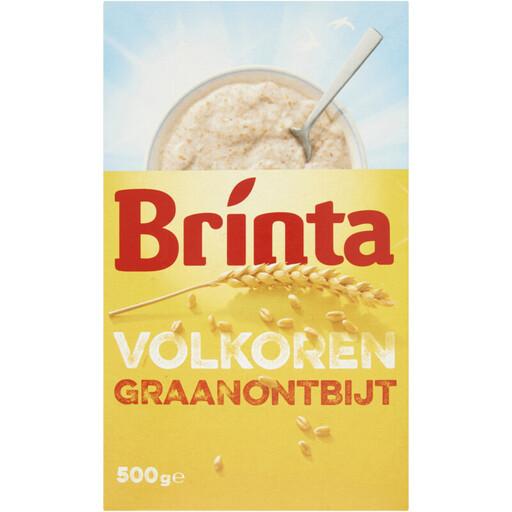 Image unavailable
For a household that wants to prepare hot bowls of cereal and plan the number of servings in advance. Albert Heijn lists 14 servings per 500 g pack for this Brinta cereal breakfast. If you have an allergy, check the current information about wheat and other allergens.
 Image unavailable
For anyone who wants to serve chocolate-flavoured cruesli at a cold weekend breakfast. The pack is 450 g; check whether that’s enough for everyone using the serving size on the label. For this variant, also compare the sugars per 100 g and check the allergen information.
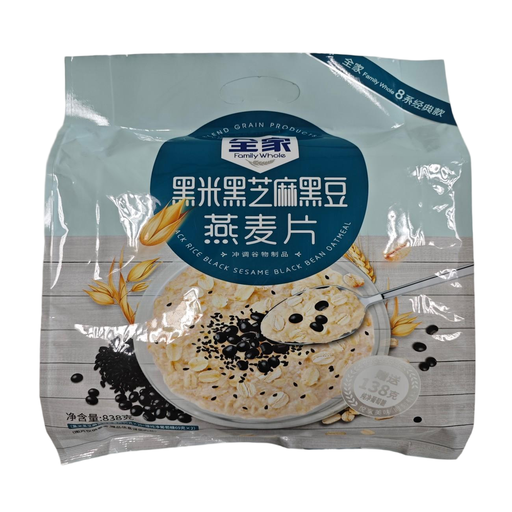 Image unavailable
For anyone who wants to prepare a hot bowl of breakfast for each person. The stated total weight of 838 g also includes 138 g of glucose, packed separately, so don’t count the full weight as breakfast powder. Before comparing it with other breakfast cereals, check the preparation instructions and the current sugar and allergen information on the pack.
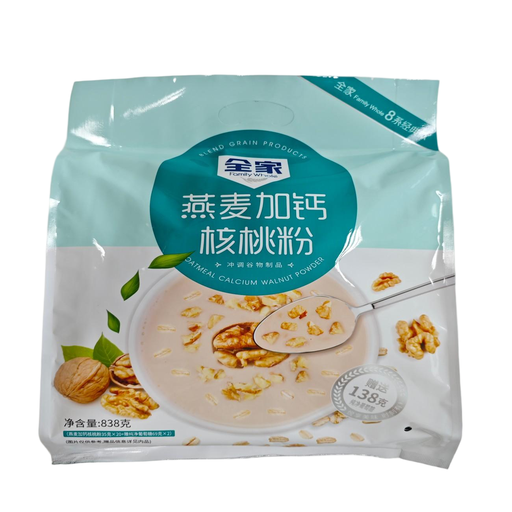 Image unavailable
For anyone who wants to prepare individual hot bowls and chooses a walnut variety. Of the stated 838 g, 138 g is glucose packed separately, not breakfast powder. Check the preparation instructions and the current information about sugars, walnuts, peanuts and other allergens on the pack.
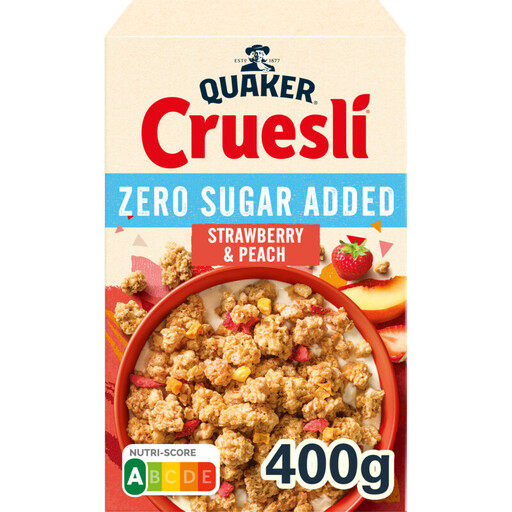 Image unavailable
For anyone considering a cold, crunchy variety with strawberry and peach flavour. The pack is 400 g; use the serving size on the current label to work out how many bowls it will provide. Also check the nutrition and allergen information for this specific variant.
Count the number of people and breakfasts, then use the serving size on the label as a starting point for your calculation. For example, Albert Heijn lists 25 servings of 40 g for 1 kg of AH Volkoren muesli naturel, compared with around 17 to 18 servings of 45 g for 800 g of Quaker Cruesli 4 nuts value pack. The amount someone actually eats may differ from the serving size on the label.
Compare similar breakfast cereals per 100 g if you want to compare their nutrition values. According to the Netherlands Nutrition Centre, this makes differences in sugars and fibre, among other things, clearer than comparing servings, which can vary between manufacturers.
Follow the storage instructions on the pack and close it securely after use. The Netherlands Nutrition Centre recommends storing Brinta in a cool, dry, dark place. If you’re buying a large pack, also consider how often you’ll use it after the weekend.
Before buying, read the current ingredients and allergen information for the specific variant, including any warnings that the product may contain an allergen. The Netherlands Nutrition Centre points out that allergens must be listed on the label. For breakfast cereals, gluten-containing grains, nuts and milk may be among the ingredients to look out for.