When comparing breakfast cereals for a shared breakfast, look at the product type, ingredients, fibre, carbohydrates and sugars per actual serving, rather than relying on a term such as ‘diabetic friendly’. A larger pack is practical if the portions suit your household, everyone can eat the product and it can be stored properly. For someone with diabetes, the choice still depends on their personal dietary plan.
Who is this relevant to?
Families looking to compare nutritional values
If several people eat from the same pack, you’ll want to compare carbohydrates, of which sugars, fibre and serving sizes. The Diabetes Fonds lists wholegrain cereals such as porridge oats and muesli as possible starting points; with diabetes, breakfast choices remain personal.
Households that stock up on breakfast cereal
A larger pack can be useful if you know how many breakfasts it will provide and you’ll use it before it goes off. Plain porridge oats or a wholegrain porridge base leave you free to choose the rest of breakfast separately; remember to include any additions in the meal.
Families with different preferences or allergens
A shared pack only works if the ingredients suit everyone who will be eating it. So check the allergen information on the exact variant, even if you’re buying the same product again.
What should you look for when choosing?
First decide which product type and serving size you want to compare. Then check the nutritional information and whether the pack will work for your whole household.
| What to consider |
What to check when buying |
Who it matters most to |
| Carbohydrates, sugars and fibre |
Compare products of the same type per 100 g, then calculate the values for the serving you eat. Include milk, yoghurt, fruit or other additions when assessing breakfast. |
If I’m mindful of diabetes at breakfast, I want to know what my whole serving contains, not just what’s on the front of the pack. An estimated 50% of consumers place the greatest importance on comparing this nutritional information. |
| Pack size and servings |
Check the net weight, serving size and stated number of servings, then compare these with what your household actually eats. Also check the storage instructions. |
I want enough cereal for several mornings, without choosing a pack we won’t finish. Around 30% of consumers prioritise planning their supplies and portions. |
| Allergens and sharing |
Read the ingredients and allergen statement on the exact pack, including any warnings about the possible presence of other ingredients. |
If family members can’t all eat the same ingredients, I need to know before buying whether one pack will work for everyone. For around 20% of consumers, suitability for sharing is their main concern. |
Common mistakes
-
Taking ‘no added sugars’ to mean ‘no carbohydrates’
According to the information listed by Albert Heijn, Quaker Zero Sugar Added Strawberry & Peach still contains 24 g of carbohydrates and 6.3 g of sugars per 45 g serving. So the claim on the front doesn’t tell you everything about the nutritional value of your breakfast.
Check carbohydrates, of which sugars, and fibre per actual serving. Include milk, yoghurt, fruit and toppings as part of the same meal.
-
Using fibre as your only point of comparison
According to Albert Heijn’s product information, Kellogg's All-Bran Fruit 'n Fibre contains both 8.8 g of fibre and 23 g of sugars per 100 g. One figure doesn’t tell you what the other values on the label are.
For products of the same type, also compare carbohydrates, of which sugars, salt and ingredients.
-
Looking only at the weight of a large pack
Weight and number of servings tell you different things. The Quaker Porridge Oats value pack listed by Albert Heijn contains 600 g and 15 servings of 40 g; the portions your household eats may be different.
Work out how many servings you typically use at home, read the allergen information and follow the storage instructions on the pack.
If not everyone can eat it or you can’t use it up in time, some of the pack may go to waste.
-
Taking a product name as personal dietary advice
A name or claim doesn’t tell you what serving size is right for someone’s personal dietary plan for eating with diabetes.
Consider breakfast as a whole, and speak to your diabetes care team or dietitian if you have questions about your personal dietary plan.
Brands to compare
Always compare the exact variant: ingredients, serving sizes and nutritional values can differ within the same brand.
Quaker
For comparison: a pack of plain porridge oats and a muesli variant labelled ‘no added sugars’.
- According to Albert Heijn’s product information, the 600 g Porridge Oats value pack is made from 100% wholegrain oats and lists 9 g of fibre and 1.1 g of sugars per 100 g.
- The 400 g Quaker Zero Sugar Added Strawberry & Peach lists 24 g of carbohydrates and 6.3 g of sugars per 45 g serving. So compare the nutritional table for the variant you choose.
Brinta
The Wholegrain Cereal Breakfast variant is a porridge base in a 500 g pack, with 14 stated servings.
- Albert Heijn’s product information lists 100% wholegrain wheat and, per 100 g, 10 g of fibre, 64 g of carbohydrates and 4.6 g of sugars.
- This variant contains wheat and gluten-containing cereals. Preparing it with milk changes the nutritional values of the finished meal.
Kellogg's
The 375 g All-Bran Fruit 'n Fibre shows why it’s useful to check fibre and sugars side by side.
- Albert Heijn lists 8.8 g of fibre per 100 g for this variant.
- The same product information lists 23 g of sugars per 100 g, with wholegrain wheat, barley and dried fruit among the ingredients. Check the allergen information too.
Nestlé
The 480 g Lion variant is an example of a breakfast cereal with caramel and chocolate flavour.
- If you’re looking for this flavour, the values per 100 g give you a starting point for comparing the variant with similar products.
- According to Albert Heijn, this Lion variant lists 74 g of carbohydrates and 25 g of sugars per 100 g. It contains milk and wheat and may contain peanuts and nuts.
Albert Heijn
The product pages provide nutritional information and ingredients for individual cereals, making them easy to compare.
- Albert Heijn explains that Nutri-Score is calculated within a product group; the nutritional table also shows the individual values.
- Recipes and product information can change. Check the pack of the variant you’re buying before use.
Breakfast cereals on Joybuy
These products include a wholegrain porridge base and a range of crunchy cereals. Use pack size as a starting point, then compare actual servings, nutritional information and ingredients for a shared breakfast.
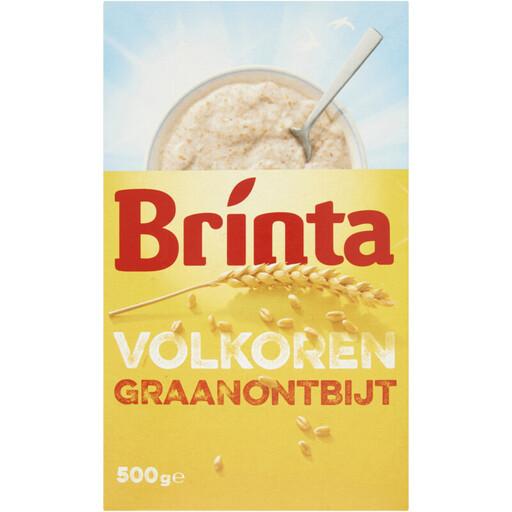 Image unavailable
Brinta Whole Wheat Cereal Breakfast 500 g
A porridge base to consider if your household enjoys a warm cereal breakfast. The pack contains 500 g; for the corresponding Brinta Wholegrain Cereal Breakfast variant, Albert Heijn lists 14 servings and, per 100 g, 64 g of carbohydrates, 4.6 g of sugars and 10 g of fibre.
Check the exact pack for wheat and gluten-containing cereals. Milk or other additions change the nutritional values of the prepared meal.
View on Joybuy
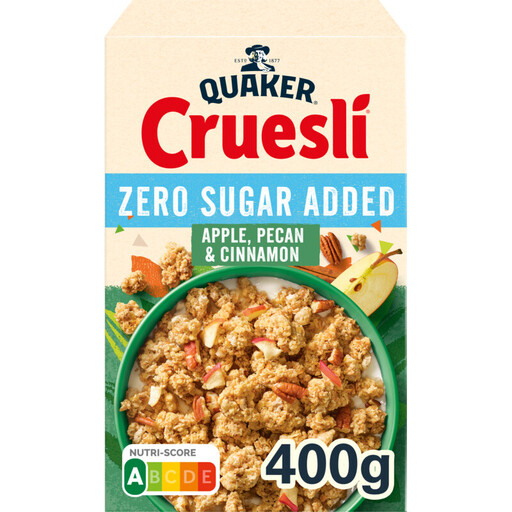 Image unavailable
Quaker Cruesli Zero Sugar Added Apple, Pecan and Cinnamon 400 g
A crunchy option for anyone who enjoys apple, pecan and cinnamon. The pack contains 400 g; use the serving size on the label to work out how many breakfasts it will provide at home.
If you’re sharing the pack, check for pecan and wheat and read the allergen statement. The product name is no substitute for comparing carbohydrates and sugars per serving eaten.
View on Joybuy
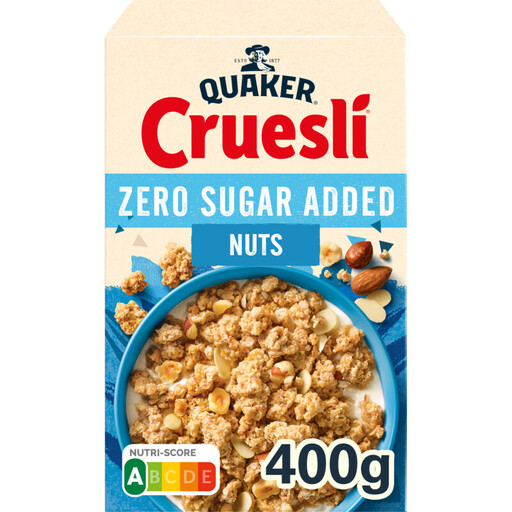 Image unavailable
Quaker Cruesli Nuts Zero Sugar 400 g
A crunchy option for a household considering a nutty breakfast cereal. The pack contains 400 g; check the serving size to work out the nutritional values for your own breakfast.
Before sharing, check the information about almonds, hazelnuts, oats, wheat and any other possible allergens. As with any variant, check the carbohydrates and sugars regardless of the name.
View on Joybuy
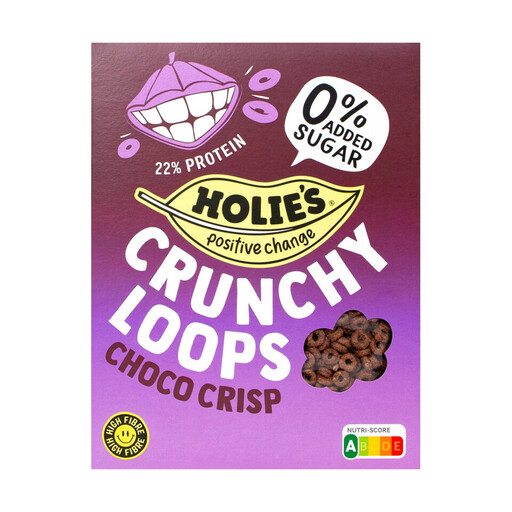 Image unavailable
Holie's Crunchy Loops Choco Crisp 350 g
A chocolate-flavoured cereal to compare if flavour is important to your family. The pack contains 350 g; check how many servings that works out to based on how much you eat at home.
Check the nutritional table for the serving you’ll eat, and read the allergen information, particularly if anyone in your household needs to avoid wheat or peanuts.
View on Joybuy
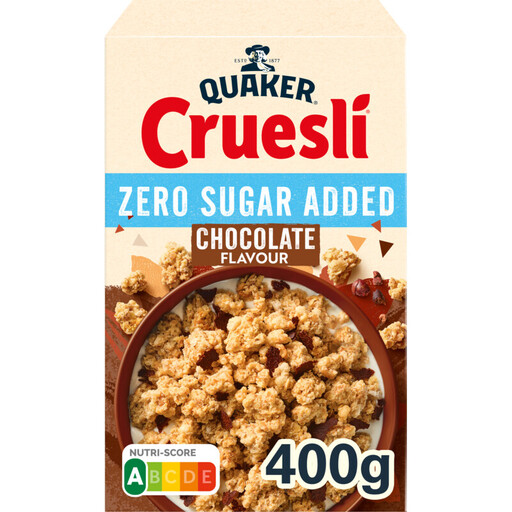 Image unavailable
Quaker Cruesli Choco Zero Sugar 400 g
A crunchy chocolate option to compare if your household enjoys this flavour. The pack contains 400 g; use the serving size on the label to work out how many breakfasts it will provide.
Check the nutritional table on the pack for the correct unit for the fibre value, and work out the carbohydrates and sugars for your actual serving. Also check the information about wheat, milk and possible nuts.
View on Joybuy
Frequently asked questions
Are breakfast cereals with no added sugars automatically suitable for people with diabetes?
No. That claim doesn’t tell you how many carbohydrates or naturally occurring sugars you’ll eat per serving. Check the nutritional table and consider breakfast as part of your personal dietary plan.
Which breakfast cereals can I start comparing?
Wholegrain porridge oats, wholegrain muesli and a wholegrain porridge base are possible starting points. The Diabetes Fonds mentions porridge oats and muesli, among other options. Then compare products of the same type by serving size, ingredients and nutritional values, rather than treating the product type as a personal recommendation.
How can I tell if a family-size pack is big enough?
Work out how many servings the pack will provide based on what your household actually uses, and check that you’ll finish it in time. The stated number of servings is useful for planning, but it may not match the number of breakfasts you get at home.
Should I read the label again when buying a product for a second time?
Yes, especially if allergens or precise nutritional values matter to your choice. Ingredients and product information can change, so check the pack you’re actually buying.
Is Nutri-Score enough to choose a breakfast cereal?
No. At most, use Nutri-Score as one point of comparison within the same product group. Albert Heijn explains that the score is calculated per product group; the individual nutritional values, serving size, ingredients and allergens are still relevant to your breakfast.


