
Vandaag of morgen in huis

Kwaliteit gegarandeerd

Welkomstaanbiedingen ontgrendelen: GRATIS bezorging | Tot 80% korting | Gratis 30 dagen JoyPlus-proefperiode
Download de app
A box of breakfast cereal might seem simple to pick up, until you look at the ingredients list and nutrition table. A packet with words like “wholegrain”, “natural” or “no added sugar” doesn’t tell the whole story. The portion size, preparation method and allergens also determine whether a product suits your household.
When you buy breakfast products online, these are the main pitfalls you’ll come across:
Ingredients are usually listed in descending order by quantity. If wholegrain oats, wholegrain wheat or another wholegrain cereal appears first, that ingredient makes up a significant part of the product. With granola, nuts, seeds, oil, syrup and sweeteners also play a role in the composition.
A product like Brinta Oatmeal 450 g is made from 100% oats according to the product information. Per 100 grams it contains 9.7 grams of fibre and 13 grams of protein. The extra-fine oat flakes are designed to be prepared in just a few minutes. Check Brinta Oatmeal 450 g for the latest product information.
The per-100-gram table makes products comparable with each other. The portion size shows what you actually eat. Pay particular attention to:
With Quaker Oats Express Protein, the product information states 22 grams of protein and 7.2 grams of fibre per 100 grams. The product consists of 85% wholegrain porridge oats and 15% soya protein. According to the brand’s communication, it contains no added sugar; always check the current label before buying.
For a quick breakfast, preparation time and ease of use are decisive. Standard porridge oats can be cooked with water or milk. Instant varieties are often ready in just a few minutes. Portion packs are handy for work, travel or a household where everyone has their own taste.
If you have an allergy or intolerance, check the full allergen declaration. Weetabix, for example, contains wholegrain wheat and barley malt extract. Porridge oat products may contain oats, gluten-containing cereals or traces of wheat and barley. Granola with nuts is not suitable if you need to avoid almonds, hazelnuts, peanuts or other nuts.
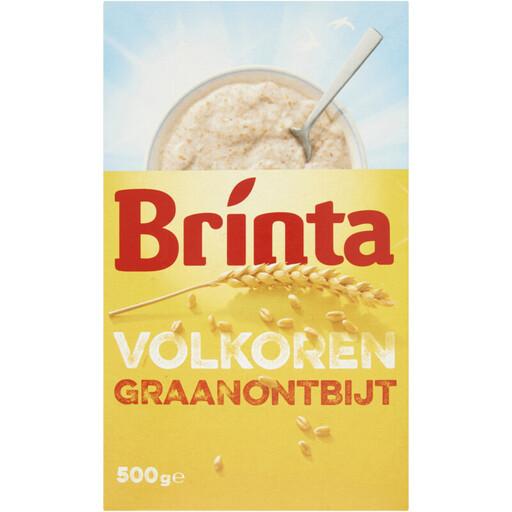
Why this fits the profile: A simple wholegrain base that you can combine with milk, water or fruit. The pack states 14 portions per pack.
The product information states 100% wholegrain wheat and no long list of sweet flavourings. Do check the current pack for allergens.
10 grams of fibre and 14 grams of protein per 100 grams; suitable for warm breakfast porridge.
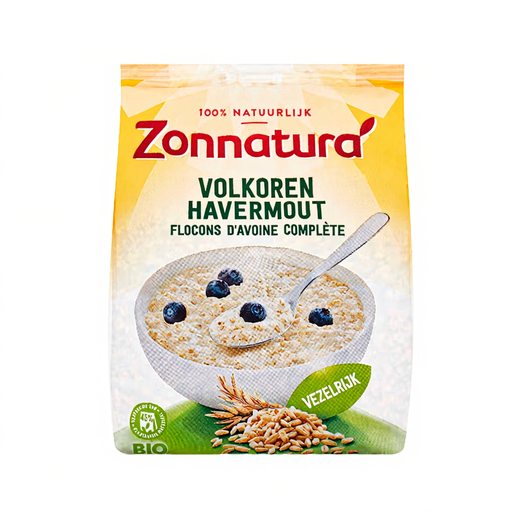
Why this fits the profile: An organic porridge oat for those who care about organic ingredients and a short product composition.
The product information lists fine wholegrain oats as the main ingredient. Check the organic certification and allergens on the pack.
11 grams of fibre per 100 grams; the nutritional information states 1.7 grams of sugar and 0.02 grams of salt per 100 grams.
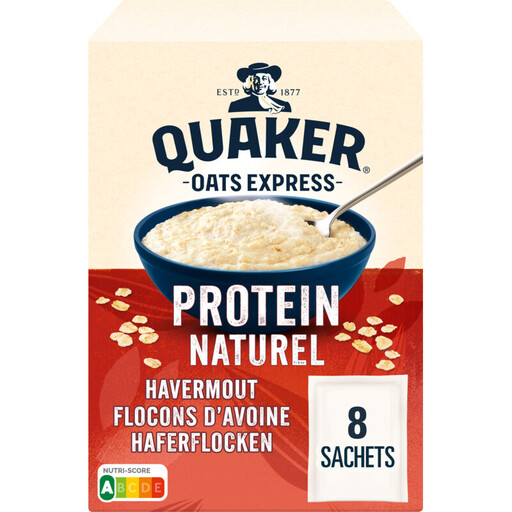
Why this fits the profile: Aimed at athletes and busy adults who want to factor protein and preparation time into their choice.
The composition states 85% wholegrain porridge oats and 15% soya protein. This makes it clear where the higher protein content comes from.
22 grams of protein per 100 grams, 7.2 grams of fibre and, according to the product information, ready in 2 minutes.
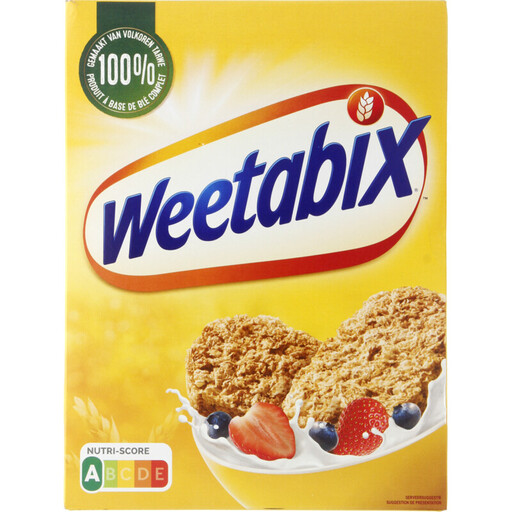
Why this fits the profile: A fixed portion of breakfast cereal that you can serve with cold or warm milk, yoghurt and fruit.
The pack states 95% wholegrain cereals and 4.2 grams of sugar per 100 grams. The portion size still depends on how much you pour yourself.
10 grams of fibre and 12 grams of protein per 100 grams; can be combined with various toppings.
We’ve put together a full, up-to-date list of products that fully meet these strict selection criteria and current European safety regulations.
Instant porridge oats and breakfast porridge are usually ready quickly with hot water or milk. Brinta Wake Up Natural is prepared in one minute according to the product information. Bear in mind that this product states 25 grams of sugars per 100 grams. A standard porridge oat like Quaker Oatmeal 600 g contains 1.1 grams of sugars per 100 grams according to the product information, but does require more preparation.
No. “No added sugar” means that, according to the product information, no sugar or sweetener has been added to the recipe. The product can still contain natural sugars, for example from raisins or fruit. Always check the nutrition table and ingredients list.
Store opened breakfast cereals in a dry, cool place and keep them well sealed. This limits moisture absorption and loss of crunchiness. Also check the best-before date on the pack and do not use a product if the packaging is damaged. With granola containing nuts, sealing it well is especially useful to preserve the aroma and texture.
