
Vandaag of morgen in huis

Kwaliteit gegarandeerd

Welkomstaanbiedingen ontgrendelen: GRATIS bezorging | Tot 80% korting | Gratis 30 dagen JoyPlus-proefperiode
Download de app
A box of breakfast cereal might seem like a quick choice. Yet porridge oats, muesli, granola, crunchy muesli and breakfast bars differ greatly in their composition, portion size and ease of use. A flashy front with terms like “high in fibre”, “no added sugars” or “wholegrain” doesn’t tell the whole story.
When shopping online, it’s wise to avoid three common pitfalls:
For a simple wholegrain breakfast, plain porridge oats or wholewheat flakes are often straightforward: you can see at a glance what’s in them. Muesli usually contains grains, nuts, seeds and dried fruit. Granola and crunchy muesli are toasted, giving them a crunchy texture, but they sometimes contain extra oil, sugar syrup or chocolate.
When considering different usage occasions, pay attention to the following:
Don’t just look at the text on the front; check the nutritional information table per 100g. High-fibre breakfast cereals in the product selection we’ve reviewed contain, for example, 9 to 28 grams of fibre per 100g. That’s a significant difference.
Also check the order of ingredients. Ingredients are listed in descending order by quantity. If wholegrain oats, wholewheat or another wholegrain cereal appears first, it likely makes up a substantial part of the product. In a high-protein granola, the protein may come from soya, wheat gluten, seeds or nuts. This matters for taste, allergies and personal preference.
Always cross-reference the claim “no added sugars” with the ingredients list. A product may contain dates, dried fruit, glucose or maltitol. For example, the Hero B'Tween Muesli Bar Zero White Chocolate lists sweeteners and polyols. The manufacturer notes that excessive consumption may have a laxative effect.
Sugar-free breakfast cereals are not automatically low in calories or carbohydrates either. According to the product information, TastyBasics Granola Chocolate & Nuts states no added sugar, 6.8g of sugars and 26g of carbohydrates per 100g. The 28g of fibre and 21g of protein are also figures from the brand’s product listing.
A 600g pack can contain many or few portions, depending on the recommended amount. Quaker Oatmeal (600g) states 15 portions. Quaker Cruesli Chocolate uses a 40g portion with 100ml of semi-skimmed yoghurt and states 10 portions.
Always check allergens too. Many breakfast products contain oats, wheat, barley, soya, milk, peanuts or nuts. For individual instant sachets, preparation is also important: several Family Whole varieties recommend 35g of product with approximately 175ml of boiling water. The included glucose sachets are not automatically part of the base product’s nutritional values.
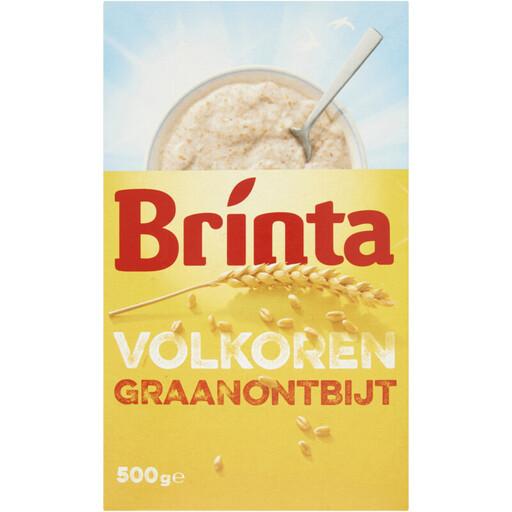
Why this fits the profile: A simple choice for anyone looking for a warm breakfast with minimal ingredients. According to the product information, Brinta is made from 100% wholewheat and states 14 portions.
The ingredients list is short and clear. This makes it easy to identify or rule out added flavourings, chocolate and sweeteners.
10g of fibre and 14g of protein per 100g according to the label; suitable for preparation with water, milk or fruit.
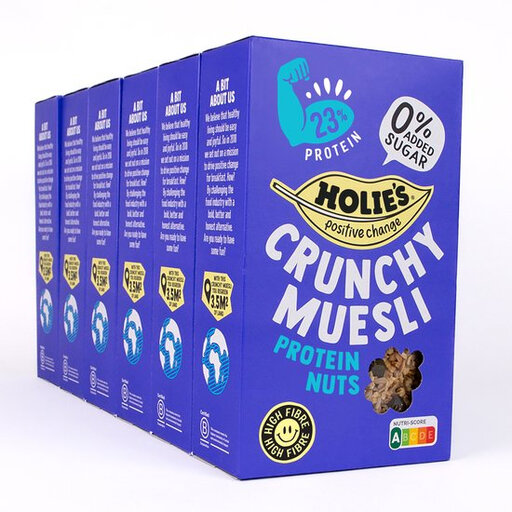
Why this fits the profile: For anyone looking for a crunchy muesli with a relatively high protein and fibre content. The pack contains six 400g bags.
The product information lists protein, fibre and sugars per 100g. So you don’t have to rely solely on the front-of-pack claim.
According to the label, 22g of protein, 21g of fibre and 2.1g of sugars per 100g; contains oats, sunflower and pumpkin seeds, almond and hazelnut.
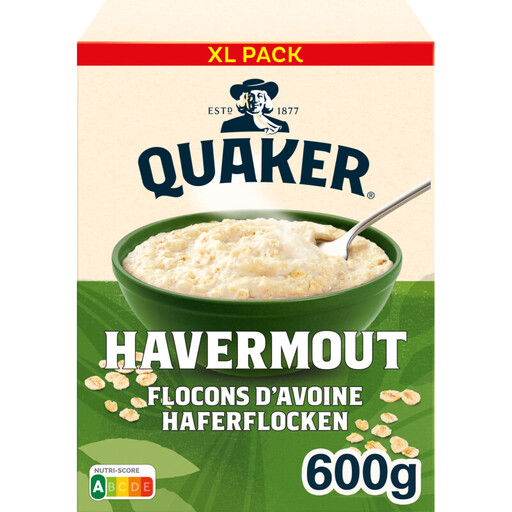
Why this fits the profile: For active consumers, families or busy professionals who want a neutral base they can customise with fruit, yoghurt, nuts or seeds.
The ingredients list states 100% wholegrain oats. This means you control the sweetness and portion size with your own toppings.
Per 100g, the product states 9g of fibre, 11g of protein and 1.1g of sugars; the pack mentions 15 portions.
We’ve put together a full, up-to-date list of products that fully meet these strict selection criteria and comply with current European safety regulations.
Compare the nutritional values per 100g and look for a higher fibre content. Plain porridge oats, Brinta and some muesli or granola products can fit the bill. Also consider the portion size: a small portion with lots of fibre may deliver less per serving than the packaging suggests.
No. “Sugar-free” or “no added sugars” doesn’t tell you everything about calories, fats, sweeteners or carbohydrates. Check the full ingredients list and nutritional information table. With breakfast bars, polyols or sweeteners can also affect digestion if consumed in excess, as may be stated on the product packaging.
Store breakfast cereals in a dry, cool place away from direct sunlight. Seal the pack tightly to limit moisture and loss of crunchiness. The exact best-before date and any instructions after opening are on the packaging. If the pack is damaged, check the product’s condition before using it.
