
Vandaag of morgen in huis

Kwaliteit gegarandeerd

Welkomstaanbiedingen ontgrendelen: GRATIS bezorging | Tot 80% korting | Gratis 30 dagen JoyPlus-proefperiode
Download de app
A box of breakfast cereal can look instantly appealing with words like wholegrain, no added sugar, high in protein or high in fibre. Yet such claims don’t tell the whole story. The ingredients list, allergens and nutritional values determine whether a product really suits your household.
That goes for adults looking for granola or crunchy muesli, but also for parents buying baby porridge. With this practical checklist, you can compare breakfast cereals based on verifiable information rather than just what’s on the front of the packet.
A product with 0% added sugar can still contain naturally occurring sugars. You’ll see this in the nutrition table under “of which sugars”. Raisins, fruit, dates or honey can push up the sugar content. So always check:
For example, Quaker Cruesli Zs Raisin & Hazelnut states no added sugars or sweeteners, but according to the product information it contains 9.4 grams of sugars per 100 grams. This comes partly from the raisins and naturally occurring sugars.
High-fibre breakfast cereals can be a practical choice, but the fibre content says nothing about the number of calories, fats or sugars. Granola often contains oil, seeds and nuts. As a result, it can provide around 400 to 460 kcal per 100 grams.
So compare the full table. Holie’s Crunchy Muesli Protein Nuts contains 21 grams of fibre and 22 grams of protein per 100 grams according to the stated information. TastyBasics Granola Chocolate & Nuts lists 28 grams of fibre and 21 grams of protein per 100 grams. These are verifiable figures, but the products also contain nuts, soya and other allergens respectively.
Breakfast cereals for adults are not automatically suitable for babies or toddlers. Always check the following for baby porridge:
For baby products, follow the instructions on the packet. The product information on a web shop may differ from the physical label. So always check the current packaging and warnings before use.
Ingredients are usually listed in descending order by quantity. If wholegrain oats or wholegrain wheat appears first, it forms a significant part of the mix. Also look out for less obvious components:
Wholegrain breakfast cereals such as Weetabix Original consist of 95% wholegrain grains according to the product description. The nutritional information states 10 grams of fibre, 12 grams of protein and 4.2 grams of sugars per 100 grams. The product does contain wheat and barley malt, so it is not gluten-free.
Use the value per 100 grams for a fair comparison. A small recommended serving can make a product seem lighter than it actually is. Pay particular attention to:
“High in protein” is a nutritional claim with legal requirements. So rely on the stated amount of protein per 100 grams rather than just the name on the front.
If you’re looking for gluten-free granola, you need to check whether the product is actually labelled as gluten-free and what warnings appear on the label. Holie’s Granola Glutenfree Peanut Chocolate contains gluten-free wholegrain oat flakes according to the product information, but also peanuts. The product may contain traces of almond, cashew, hazelnut, pecan and soya, among others.
What’s more, a product containing oats is not automatically suitable for everyone who avoids gluten. Read the current allergen information carefully and take cross-contamination into account if that matters for your situation.
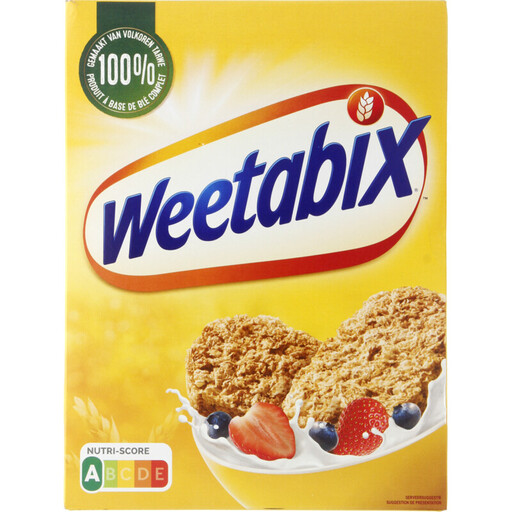
Why this fits the profile: A straightforward wholegrain base for anyone who wants to start with breakfast cereals without complicated mixes. You can combine it with milk, yoghurt or fruit.
The base consists of 95% wholegrain wheat according to the product information. The ingredients list is short and clear, so you’re less reliant on marketing claims.
10 g fibre and 12 g protein per 100 g; 4.2 g sugars per 100 g. Does contain wheat and barley malt.
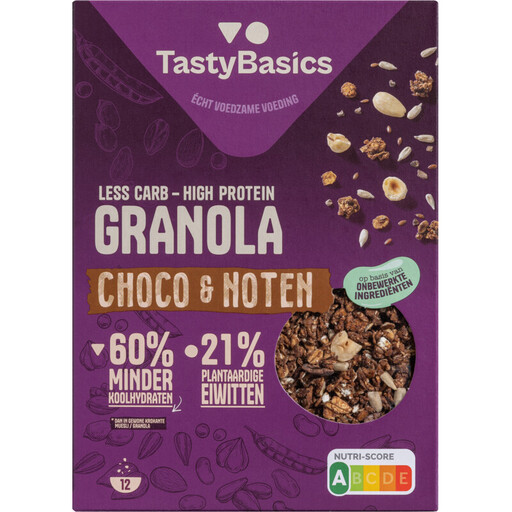
Why this fits the profile: For anyone looking for a granola with chocolate, nuts and a relatively high protein and fibre content.
The product information states 0% added sugar. At the same time, you can check the 6.8 g of sugars per 100 g and the full ingredients list.
21 g protein and 28 g fibre per 100 g. Contains soya, oats, hazelnuts and almonds; may also contain other allergens.
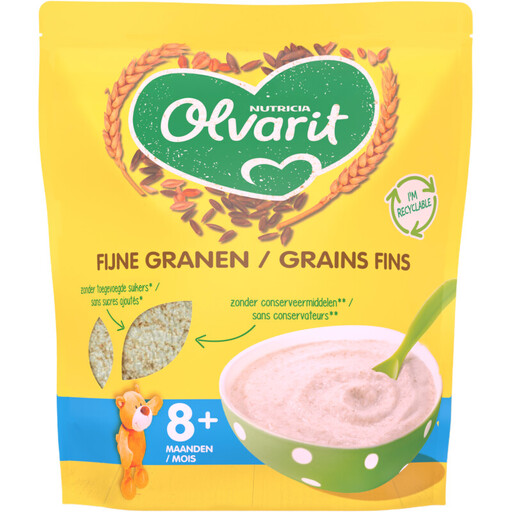
Why this fits the profile: Aimed at parents looking for baby porridge from 8 months and who want to follow the preparation instructions.
The age indication of 8+ months and the preparation method are clearly stated. According to the product description, it contains no added sugars, but does contain naturally occurring sugars.
10 g fibre and 12 g protein per 100 g. Contains wheat, rye, oats and spelt; may contain milk, soya and mustard.
We’ve put together a full, up-to-date list of products that fully meet these strict selection criteria and comply with current European safety regulations.
Don’t just look at the claim on the front. Check the ingredients list and the amount of sugars per 100 grams. Examples from the range include Holie’s Granola Glutenfree Peanut Chocolate with 4 grams of sugars per 100 grams and Quaker Cruesli Choco Zero Sugar with 3.4 grams. Both product descriptions state no added sugar, but they are not the same: one contains peanuts and possible traces of nuts, the other contains milk and gluten-containing grains, among other things.
Muesli usually consists of a grain mix with, for example, nuts, seeds or dried fruit. Granola is typically baked and therefore has a crunchy texture. Cruesli is a brand name for crunchy muesli and can contain various ingredients such as chocolate, nuts or raisins. So always compare the nutritional values and ingredients per variant.
Choose a product with a clear age indication, such as 8+ or 12+ months, and follow the preparation instructions on the label. Olvarit Fine Grains is suitable from 8 months according to the product information. The Olvarit Breakfast Porridge Grains and Eight Grain Vanilla variants state 12+ months. Always check allergens, storage instructions and the current packaging before using the product.
