
Same-day & Next-day Delivery

Quality Guaranteed

Unlock Your Welcome Offers: FREE Delivery | Up to 80% OFF | Free 30-day JoyPlus trial
Download the APP
A packet of breakfast cereal can look healthy thanks to words like “wholegrain”, “natural” or “high in fibre”. Yet the front of the pack doesn’t tell the whole story. Granola, for example, can contain a lot of oil, sugar or syrup, while a muesli with dried fruit naturally contains relatively high levels of sugars. Even a product with “no added sugars” isn’t automatically low in calories.
As Joybuy Product Recommendation Officer, I filter marketing claims against verifiable information. Below, you’ll find out what to look for when choosing muesli, granola, porridge, wholegrain breakfast cereals and crunchy muesli.
Wholegrain tells you about the grain used, not automatically about the amount of sugar. A product can contain plenty of wholegrain oats and also have sugar, glucose syrup, chocolate or dried fruit. So always check the sugars per 100g in the nutrition table and look at the ingredients list.
For example: Quaker Cruesli Chocolate contains, according to the product information, 95% wholegrain and 16g of sugars per 100g. That might suit a sweet breakfast, but it’s a different choice from plain porridge.
B+ Muesli Nuts and Fruit states 0g of added sugars. The nutrition table, however, shows 20.8g of sugars per 100g, partly from dried grapes and apricots. This distinction is important: no added sugar does not mean sugar-free.
Also, make sure you don’t confuse a brand’s claim with a general nutritional conclusion. According to the manufacturer’s own product information, Quaker Oatmeal Express Protein contains no added sugars; the exact composition and nutritional values are on the packaging.
A 600g bag might look like good value, but how long it actually lasts depends on your portion size. Quaker Oatmeal 600g states 15 portions, while Brinta Whole Wheat Cereal Breakfast 500g contains, according to the product information, 14 portions. So don’t just compare the price per pack – also compare the price per portion and the recommended serving size.
Use the nutrition table as your fixed reference point. For high-fibre breakfast cereals, you can compare the amount of dietary fibre per 100g side by side. In the product information provided, Brinta Whole Wheat Cereal contains 10g of fibre per 100g, Weetabix 10g and Quaker Oatmeal 9g.
For high-protein muesli, Holie's Crunchy Muesli Protein Nuts stands out with, according to the product information, 22 to 23g of protein per 100g, depending on the nutritional variant stated. TastyBasics Granola Chocolate & Nuts states 21g of protein and 28g of fibre per 100g. These values are verifiable from the product description, but they don’t alone tell you which product fits your daily diet.
Ingredients are usually listed in descending order by weight. If sugar, oil or syrup appears early in the list, it forms a significant part of the composition. For crunchy muesli, oil and sweeteners are often needed for the texture.
Also watch out for allergens. Many products contain gluten, oats, wheat, soya, milk or nuts. B+ Muesli Nuts and Fruit lists, among other things, hazelnuts, almonds and gluten-containing cereals. According to the product information, TastyBasics contains soya, oats, hazelnuts and almonds. If you have an allergy, always check the label on the pack you receive, even if the online description seems different.
For a quick breakfast, portion packs are practical. Quaker Cinnamon Oatmeal comes in 10 sachets of 33g and, according to the product information, can be prepared with milk in about two minutes. Plain porridge, such as Brinta Oatmeal 450g, gives you more freedom to add your own fruit, yoghurt, nuts or cinnamon.
For breakfast on the go, individual sachets are handy, but pay attention to the extra ingredients and the amount per sachet. A product that only needs water is practical in the office or when travelling; a muesli you eat with yoghurt is more suitable when you have access to refrigeration.
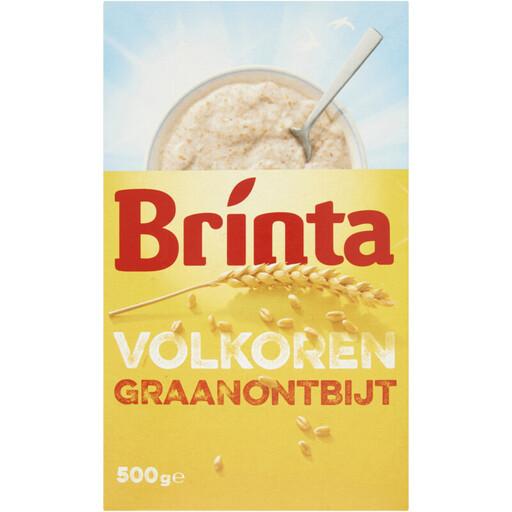
Why this fits the profile: A simple choice with one main grain and a familiar warm preparation with water or milk.
The ingredients list is short: wholegrain wheat flour and salt. So you can see straight away what you’re buying.
According to the product information, it contains 10g of fibre and 14g of protein per 100g and is made from 100% wholegrain wheat.
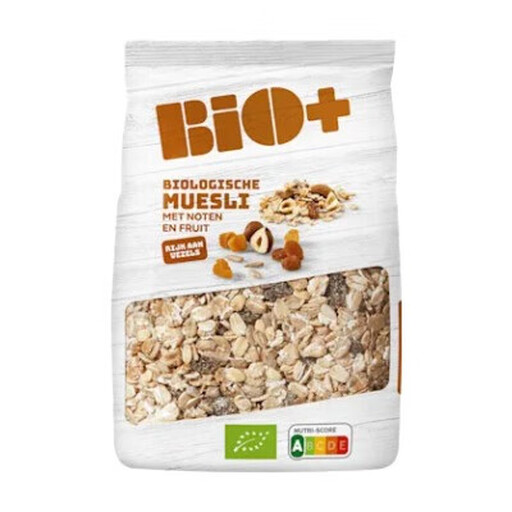
Why this fits the profile: Ideal for anyone looking for an organic muesli with nuts, seeds and dried fruit without having to mix their own blend.
The nutritional information distinguishes between sugars and added sugars. Dried fruit still counts as a source of sugar.
According to the product description, the mix contains wholegrain flakes, nuts, seeds and organically grown ingredients.
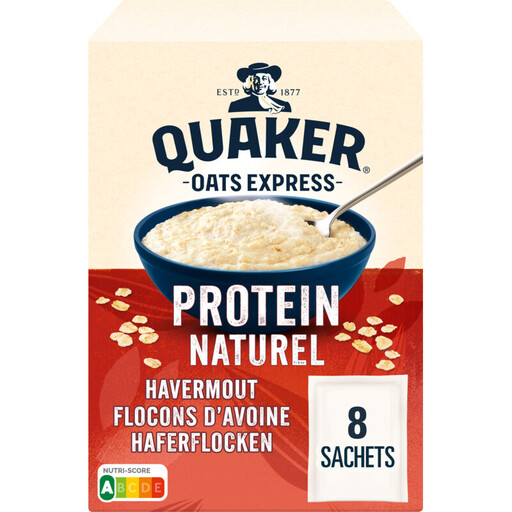
Why this fits the profile: Handy for athletes or busy people looking for a quick-to-prepare breakfast with extra protein.
The product information states 22g of protein, 7.2g of fibre and 1.2g of sugars per 100g. So you can check the claim straight away.
100% wholegrain porridge oats, with added soya protein and a preparation time of around two minutes.
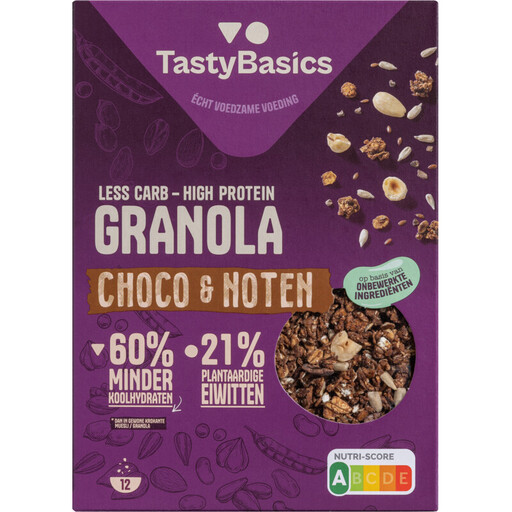
Why this fits the profile: For anyone looking for a chocolate muesli with nuts while also wanting to compare protein, fibre and carbohydrates precisely.
The pack isn’t judged on “chocolate” alone: the table shows 6.8g of sugars and 26g of carbohydrates per 100g.
According to the product information, it contains 21g of protein, 28g of fibre and 19g of fat per 100g; the recommended serving is 30g.
We’ve put together a full, up-to-date list of products that fully meet these strict selection criteria and comply with current European safety regulations.
This varies by product, but in the nutritional information provided, Brinta Whole Wheat Cereal, Weetabix and Quaker Oatmeal contain around 9 to 10g of fibre per 100g. Always compare the table on the product you actually buy.
Plain porridge is practical if you have access to hot water, a microwave or a hob. For on the go, portion sachets like Quaker Cinnamon Oatmeal are easier. Do check the ingredients, portion size and any added sugar.
Store breakfast cereals in a cool, dry place away from direct sunlight. Seal the pack well after each use to prevent moisture and loss of crunchiness. The best-before date and any instructions after opening are on the packaging. Do not use a pack if the packaging is damaged or if the product smells or tastes unusual.
